The 2026 FIFA World Cup is delivering significant sales boosts across multiple product categories as brands capitalize on rising football enthusiasm. According to Business Standard, companies including Nike, Decathlon, AB InBev, Diageo, Yousta by Reliance Industries Limited (RIL) and Hisense India have stepped up efforts to capture football enthusiasts' attention. Yousta's FIFA collection has seen strong demand across men's, women's and kids' apparel, with T-shirts and country jerseys leading sales. Argentina and Brazil jerseys are top sellers, while FIFA-themed licensed collections featuring Mickey and Minnie, Peanuts and Garfield have also performed well, reflecting GenZ's growing preference for fashion-first sportswear.
The 2026 FIFA World Cup has attracted significant participation from healthcare companies, with at least half a dozen pharma companies and provider organizations offering support during the tournament. Major healthcare brands are leveraging the quadrennial event to position themselves alongside the global soccer audience of up to six billion people. Advil is serving as the official consumer healthcare product partner of U.S. Soccer, with the multiyear partnership unveiled in late 2024 covering both the U.S. Women's and Men's national soccer teams. Haleon (parent company of Advil, Tums, Centrum and Sensodyne) has secured this comprehensive sponsorship role.
Indian brands are capitalizing on the Fifa World Cup to create consumer engagement opportunities beyond traditional advertising and sponsorships. According to reports from The Times of India, marketers view the tournament as an opportunity to build engagement with young consumers, potentially forging long-term partnerships and reaching audiences who might not otherwise explore their brands. Companies across various segments are preparing product launches and experiential initiatives around the event.
India has emerged as a significant market for World Cup content consumption, ranking as the second-most engaged market globally after the US. As reported by The Times of India, data tracked by performance advertising platform Taboola showed that India generated 9.7 million page-views over the past 90 days across the open web for World Cup-related content. This indicates strong consumer interest despite the challenging time schedule for matches.
Major brands are investing significantly in World Cup sponsorship opportunities. According to reports from The Times of India, official India broadcaster Z has signed more than 12 brands including Mahindra, Diageo, Apple, Pernod Ricard and Mondelez, with more companies expected to join. Vinita Pachisia, EVP of investments at Amplifi (a unit of Dentsu), stated that Z is seeking ₹10-20 crore for sponsorship packages, covering linear, digital, CTV, social and on-ground integrations across its sports channels Unite8 and OTT platform Zee5.
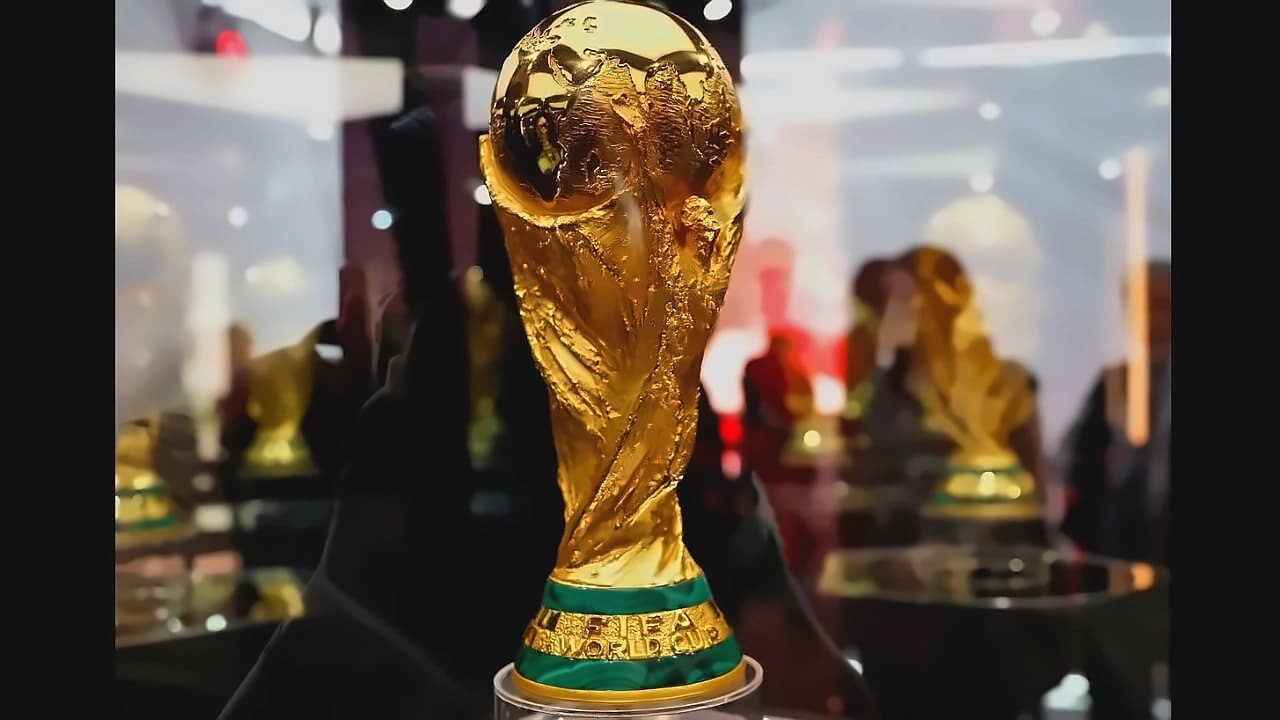
Healthcare companies are launching comprehensive World Cup campaigns with creative approaches. Bristol Myers Squibb has launched its Won't Lose campaign, comparing scientific drug development to soccer matches through two-time FIFA Women's World Cup champion Ali Krieger, who narrates the campaign running nationally across connected TV, programmatic display, streaming audio, digital video and social media. Sanofi is serving as an official supporter of Boston as a host city, supporting the FIFA Fan Festival at Boston City Hall Plaza and regional watch parties, while Genentech is the official biotech partner of the Bay Area Host Committee supporting Super Bowl LX and World Cup hosting efforts. Kaiser Permanente introduced its first new brand platform in 25 years, A Better Idea for Health Care, featuring South Korean soccer star Son Heung-min and positioning integrated care as an alternative to fragmented healthcare experiences.