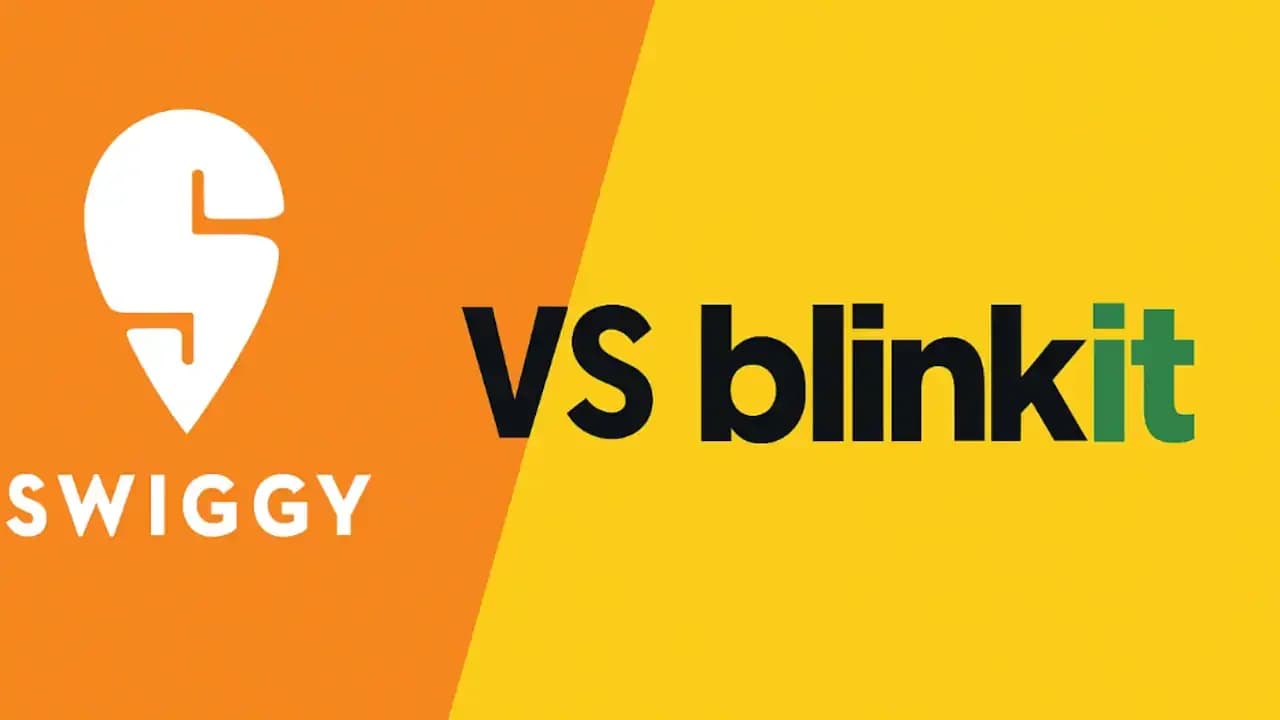
Eternal reported a consolidated net profit of ₹125 crore for Q2, nearly double the ₹65 crore recorded in the corresponding period last year. The growth came alongside a sharp increase in revenue from operations, reflecting higher business volumes across its food delivery and quick commerce segments. Eternal reported continued growth in both its food delivery and quick commerce businesses, with the company's cash balance and profits from both segments funding the planned expansion pace.
According to reports from The Economic Times, Eternal is scaling up Blinkit aggressively, combining strong growth with improving profitability. The quick commerce platform added 308 net new stores during the quarter, taking its network to 2,751 stores. The company has ambitious expansion plans, targeting over 3,500 stores by March 2027 and around 5,000 stores by March 2028. Blinkit believes quick-commerce adoption is spreading beyond metros, with Tier-2 and Tier-3 cities showing encouraging customer behaviour and store economics. CFO Akshant Goyal confirmed that the company expects adjusted EBITDA margins to keep improving through this expansion.

Both Zomato and Blinkit delivered impressive order value growth during the quarter. Zomato's food delivery net order value increased 21.5 percent year-on-year to ₹11,445 crore, while Blinkit's quick commerce NOV grew 79.3 percent to ₹20,940 crore. Blinkit also reported an adjusted EBITDA profit of ₹184 crore, marking its sixth consecutive quarter of margin improvement. Founder Deepinder Goyal reaffirmed the company's long-term expectation for food delivery growth of 20% plus annually, noting that the last two quarters have brought them back to that range.
As reported by The Economic Times, Swiggy is focused on improving the quality of growth rather than aggressive expansion. Instamart added 69 net stores during the quarter, taking its network to 1,240 stores. The company is preparing to transition Instamart to an inventory-led operating model after securing necessary approvals to qualify as an Indian-owned and controlled company. This change is expected to give Instamart greater control over inventory, procurement, and pricing, with the potential to improve contribution margins. The company is also investing in private-label brands such as NOICE and Nectr and customer habit-building initiatives to drive deeper engagement.