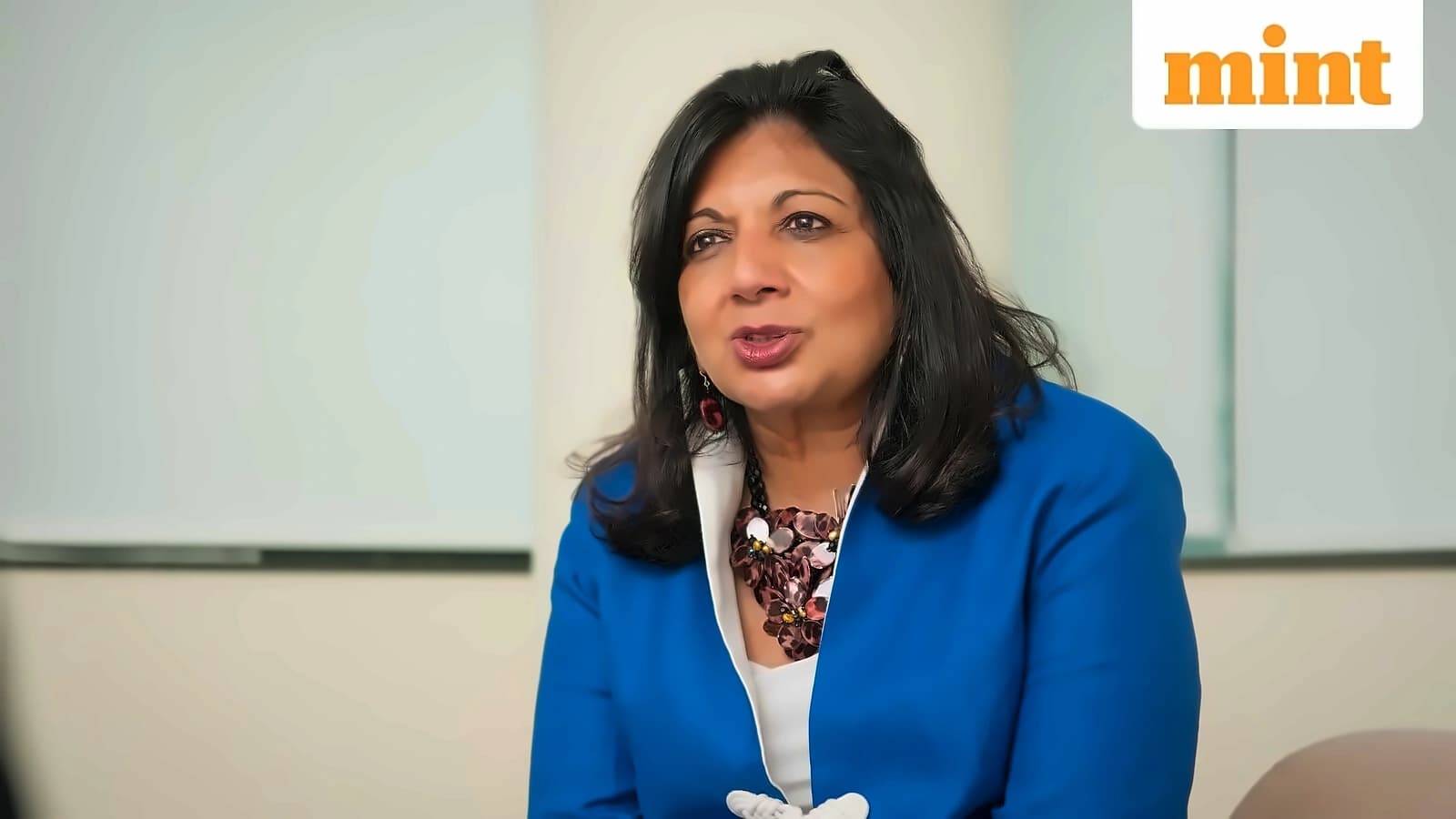
Indian drugmaker Biocon Ltd. is positioning itself to become the world's leading insulin supplier within five years, according to co-founder Kiran Mazumdar-Shaw. Speaking to Bloomberg TV's Latitude with Haslinda Amin, the 73-year-old pharma billionaire stated that the company could achieve this milestone by capturing growing demand for the critical drug while major pharmaceutical companies redirect resources toward other medicines. As reported by Bloomberg, Biocon is currently the third-largest insulin supplier by volume globally and has invested significantly in ramping up production capacity to address this opportunity.
The global insulin market, valued at $30 billion, is experiencing significant shifts as major players redirect resources toward next-generation metabolic medicines. According to Bloomberg reports, pharmaceutical giants Novo Nordisk A/S and Eli Lilly & Co. are now focusing on diabetes and weight-loss drugs that generate higher growth and profits. More than 830 million people worldwide live with diabetes, with demand expected to rise as access to affordable drugs remains uneven across emerging markets in Asia, Africa and Latin America. Mazumdar-Shaw noted that the current situation represents a 'windfall' for Biocon as the company can fill the gap left by industry focus on next-generation markets.
While many pharmaceutical peers are entering the obesity and diabetes drug market, Biocon is taking a measured approach to generic GLP-1s due to intense global competition. As reported by Bloomberg, the patent for semaglutide, the key ingredient in Novo Nordisk's Wegovy and Ozempic, has started expiring globally, allowing cheaper versions to flood markets. Mazumdar-Shaw acknowledged that generic GLP-1s represent a 'crowded market' and emphasized that Biocon is realistic about global competition as a generics player. The company plans to target select markets including Canada, Latin America, Brazil, the Middle East and Southeast Asia, while avoiding the price pressure in India where GLP-1 prices are hitting 'rock bottom'. Bernstein's Nandan Kulkarni notes that Indian biopharma companies are positioned on both sides - manufacturing off-patent GLP-1 products and building presence in next-generation formulations, with the shift toward GLP-1s and peptides moving the entire value chain upward.
The Indian pharmaceutical sector is undergoing a fundamental transformation from generics to innovation, with this shift extending to 2035. According to Bernstein's Nandan Kulkarni, global regulatory frameworks are moving in India's favor, with pathways around contract development and manufacturing organisations, speciality therapies, and orphan drug designations opening meaningful new niches for Indian players. The ecosystem around GLP-1s, nutrition, diagnostics, obesity management, and digital health has significant room to develop, creating opportunities well beyond the drug itself. However, Kulkarni cautions that the adoption curve in India will look nothing like the rapid uptake seen in North American markets, with Indian dietary habits, socioeconomic dynamics, and healthcare access patterns meaning adoption will be slower initially, followed by a grassroots penetration phase before a meaningful second wave unlocks.