Bharti Airtel is preparing a major business transformation, focusing on AI data centres, sovereign cloud and financial services as its three major growth opportunities. According to reports from CNBC-TV18, the company currently operates around 250-260 megawatts of AI data centre capacity and plans to increase this to 1 gigawatt by 2030. The expansion includes large data centre projects, including one for Google in Visakhapatnam, along with projects in Mumbai, Pune, Hyderabad and Kolkata. To support this ambitious infrastructure growth, Airtel has secured another $1 billion in funding from Carlyle, Anchorage and Alphabet, though Mittal indicated additional capital will be required as the company increases its data centre capacity.
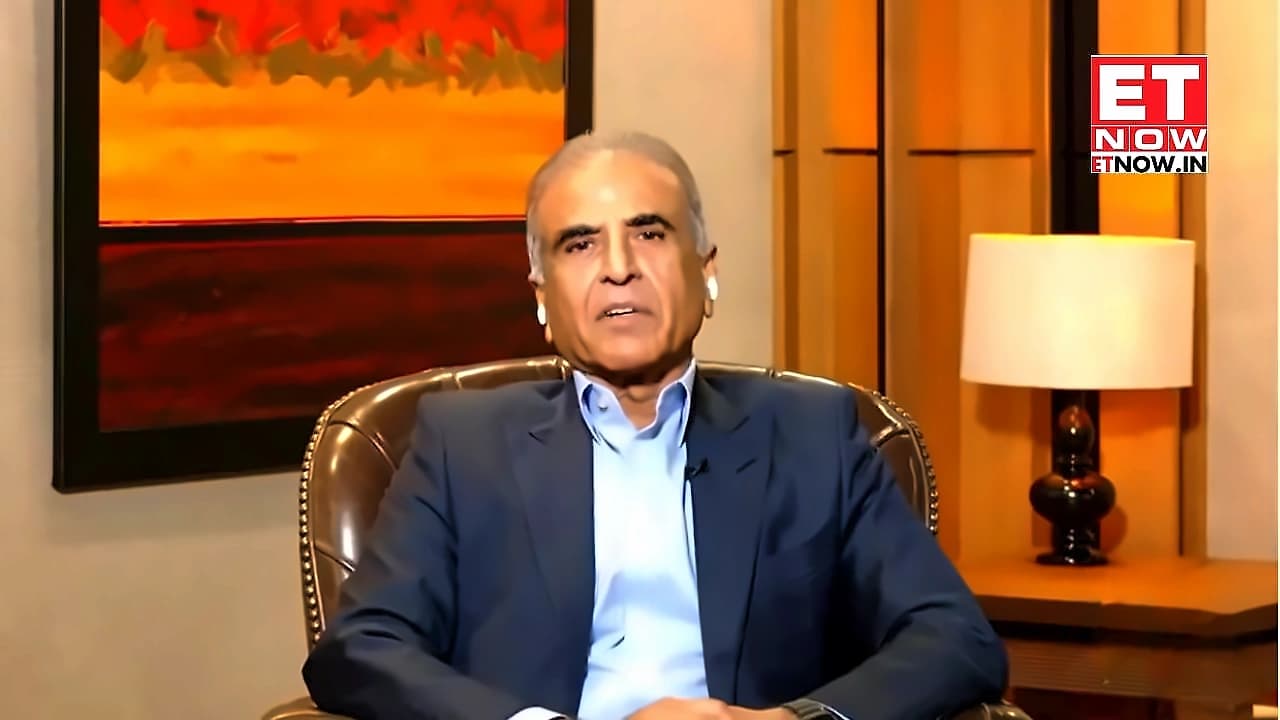
On Airtel's financial position, Mittal indicated that the company's cash generation has helped bring down debt levels significantly. As reported by CNBC-TV18, he expects Airtel to become debt-free by 2029, excluding certain government-related payments. The improving cash flow could create room for higher shareholder returns, with Mittal indicating that dividends may increase and a buyback could also be considered. However, the company will need to allocate funds towards data centres, cloud investments, regular capital expenditure and potential acquisitions.
Alongside AI infrastructure, sovereign cloud services are becoming an important part of Airtel's enterprise strategy. According to CNBC-TV18, these services allow organisations to store and manage their data within specific geographical boundaries, helping them address data security, regulatory and localisation requirements. Mittal said Airtel already serves approximately 50 large customers through its sovereign cloud business and expects demand to increase. The company wants to provide enterprise customers with connectivity, cloud infrastructure and computing resources through an integrated platform, helping Airtel benefit from growing corporate demand for AI applications, GPUs and advanced computing capabilities.
Discussing India's telecom market, Mittal said the industry has largely completed connecting the country's population, with the next phase involving upgrading users from feature phones to smartphones and from 2G networks to 4G and 5G. According to CNBC-TV18, he believes there is room for average revenue per user (ARPU) to increase over time, stating that ARPU should eventually reach ₹350 in India. Mittal defended India's telecom tariffs, noting that consumers receive high levels of data at relatively low prices, with average monthly data consumption reaching around 35-36 GB.
The broader strategy aims to transform Airtel into a more diversified business capable of serving the growing digital and financial requirements of consumers and enterprises. As reported by CNBC-TV18, currently, connectivity services account for approximately 80-90% of the company's portfolio, but Mittal expects newer business segments to contribute nearly half of the overall portfolio in the coming years. These growth areas include data centres, sovereign cloud and financial services, with Airtel maintaining majority ownership of its data centre business while remaining open to investments from existing shareholders and new financial partners.