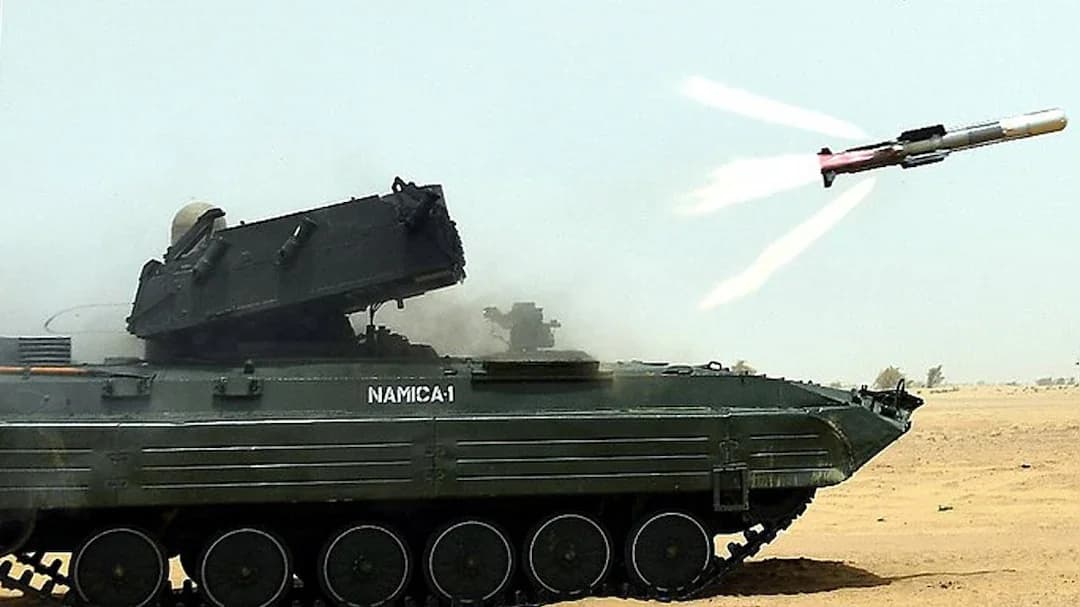
Shares of Bharat Dynamics experienced significant selling pressure, falling over 8% on May 29 following the announcement of fourth quarter results for fiscal 2025-26. According to reports from NDTV Profit, the stock dropped 8.33% intraday to ₹1,175.4 per share. The scrip was trading 6.65% lower at 11:28 am, while the benchmark Nifty 50 index remained relatively stable with a marginal 0.05% decline. The broader market context shows Sensex slumping over 1,100 points and Nifty falling below 23,550 on Friday, with India VIX spiking 8% as investors monitored escalating geopolitical tensions in the Middle East.
The defence PSU reported substantial deterioration in its financial performance for the quarter ended March 31, 2026. As reported by NDTV Profit, Bharat Dynamics net profit declined by 58.5% to ₹113 crore in Q4FY26 compared to ₹273 crore in the corresponding quarter of the previous year. The company's revenue fell dramatically by 73% to ₹480 crore for the quarter, down from ₹1,777 crore in the same period last year. This represents a significant contraction in both profitability and revenue generation across the defence sector.
The company's operational performance showed marked deterioration across key metrics during the quarter. According to NDTV Profit reports, EBITDA declined by 81.5% to ₹55.2 crore for Q4FY26 against ₹299 crore in Q4FY25. The EBITDA margin compressed to 11.5% from 16.8% in the January to March quarter of the preceding fiscal year, indicating reduced operational efficiency and profitability margins amid challenging market conditions.
Motilal Oswal has downgraded Bharat Dynamics to Neutral with a revised target price of ₹1,150, down from the earlier target of ₹1,500. As per Motilal Oswal's research report dated May 28, 2026, the company's results were weaker than estimates, with execution impacted by delays in supply of radars, seekers, and other components for Akash and Astra Mk1 missiles from external vendors. The brokerage expects the company to book ₹20-25 billion of revenues in 1HFY27 as supply of these components commences, with overall execution remaining slower than earlier estimates due to higher share of bought-out components.