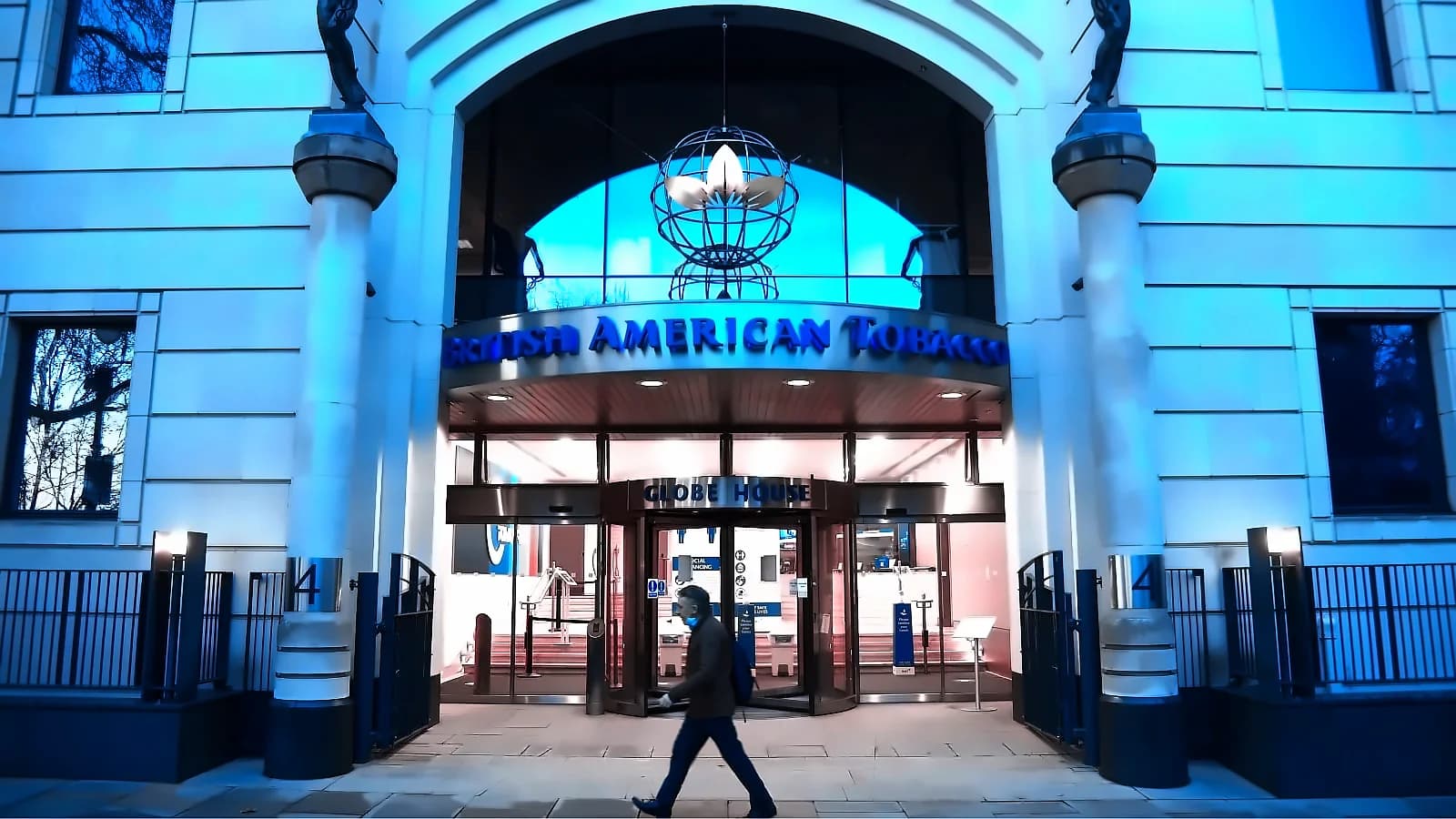
British American Tobacco Plc is implementing a comprehensive restructuring plan that will reduce its 47,000-strong global workforce by approximately 20% by the end of this year. According to the latest company announcement, the company will slash 5,500 jobs and outsource a further 3,500 roles as part of its cost reduction strategy. The restructuring forms part of BAT's "Fit2Win" programme, introduced last year, aimed at streamlining operations, improving cost efficiency and building a more technology-focused organisation. As per Sky News, CEO Tadeu Marroco stated the company was building a "future-ready organisation" by becoming more technology-enabled and operationally efficient. The restructuring does not include the US, its biggest market, and most of the role changes have now been confirmed with employees, with remaining consultations being carried out in compliance with local requirements.
The restructuring forms part of BAT's ambitious cost reduction program, with most of the planned cost savings of £500 million expected to be delivered by 2027. Interim Chief Financial Officer Javed Iqbal indicated in February that artificial intelligence and data analytics tools would also impact staffing levels as part of the transformation strategy. The company has forecast a decline in global cigarette industry volumes of 2.5% this year, with the main profit driver - traditional tobacco - in terminal decline. The cost-saving programme is expected to add £600 million worth of annualised incremental savings by 2028, with the company keeping its group-wide guidance unchanged despite the scale of the reductions. According to Sky News, the combined workforce changes impact nearly one-fifth of BAT's employees globally, excluding its US workforce.
Shares of BAT fell as much as 1.9% in London, trimming year-to-date gains that were up nearly 13% since the start of the year through Friday's close. According to Bloomberg News, analyst Pallav Mittal from Barclays noted that "the scale of this workforce reduction is unexpected and could some as a surprise to investors." The stock movement reflects investor concerns about the scale of the restructuring, despite the company's earlier confidence in meeting full-year targets. Earlier this year, BAT said it was on track to meet its full-year targets even as global cigarette industry volumes decline, helped by strong performance in the US where it is gaining on rival PMI with its Velo Plus pouches.
BAT has partnered with Accenture to outsource several functions, including service centres that typically employ large proportions of companies' overall workforces. According to the latest notice, certain roles in the UK, Singapore, Costa Rica, Mexico, Poland, Romania and Malaysia have moved to Accenture. Additionally, some roles in Pakistan have been outsourced to Systems Ltd, a Pakistani technology and business firm. The company expects most other countries where it operates to be affected by this ongoing restructuring program. The move comes amid growing concerns that AI adoption could accelerate job reductions, particularly in administrative and back-office functions, as companies seek higher productivity and lower costs. As per Sky News, CEO Marroco emphasized that "these changes affect many of our colleagues, and we are focused on supporting them through this transition with care and respect."
Like rival Philip Morris International Inc., BAT wants to generate more than half of its revenue from smoke-free nicotine products such as Vuse vapes and Velo nicotine pouches. The company is shifting its focus to smoking alternatives to drive growth, with earlier this year reporting strong performance in the US market where it is making gains on rival PMI with its Velo Plus pouches. Part of BAT's restructuring has involved closing traditional cigarette factories, including the company's eighth largest cigarette factory in South Africa due to competition from illicit trade. Other tobacco companies are following similar strategies, with Imperial Brands Plc targeting £320 million in annual cost savings by 2030 and Philip Morris International already completing more than half of its $2 billion cost savings target by 2026.