BASF India delivered exceptional first-quarter results for the quarter ended June 2026, with consolidated net profit more than doubling to ₹360.3 crore compared to ₹137.40 crore in the corresponding period last year. According to PTI, total income climbed 29% to ₹4,824 crore from ₹3,760.46 crore in the previous year, while total expenses rose to ₹4,366.27 crore from ₹3,560.32 crore. The company's standalone net profit surged 146% year-on-year to ₹3,620.5 million compared to ₹1,471.5 million in the corresponding period last year. The results were reviewed by Deloitte Haskins & Sells LLP and approved by the Board of Directors at a meeting held on August 4, 2026. Operating performance strengthened significantly, with EBITDA increasing to ₹521.47 crore from ₹228.22 crore in the year-ago period, while EBITDA margin expanded to 10.47% from 5.52%, reflecting improved profitability across operations.
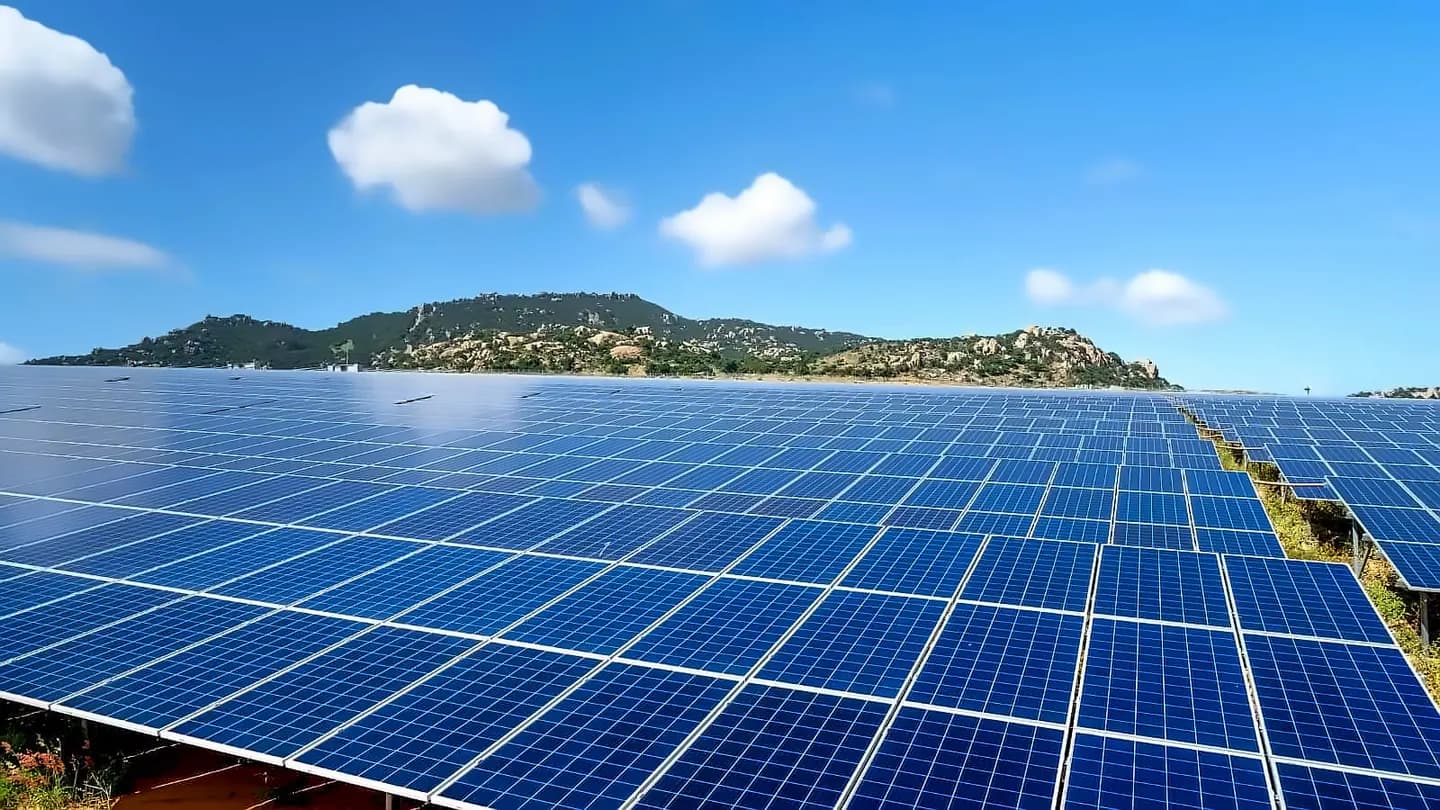
BASF India's board approved a strategic investment in renewable energy infrastructure, acquiring a 14.18% stake in Clean Max Galapagos Pvt Ltd for up to ₹9.45 million. This investment will secure 4,240 MWh renewable solar power annually, including green attributes, for BASF India's Navi Mumbai manufacturing site under Maharashtra's Group Captive Power Generation Mechanism. The deal is subject to definitive agreements, including a shareholders' agreement and a 25-year power purchase agreement, as well as regulatory approvals. This renewable energy initiative aligns with the company's commitment to sustainable operations and cost optimization through clean energy sources.
The board approved the shutdown of sulfation and low-temperature reactor plants at its Care Chemicals business in Dahej, citing overcapacity, high costs and margin pressure amid a changing competitive landscape in India. The closure is expected by the end of calendar year 2026, subject to approvals. BASF India confirmed that its Care Chemicals unit would continue to manufacture, import and sell other products to customers in India. This operational restructuring reflects the company's focus on optimizing its manufacturing footprint and improving cost efficiency across its chemical operations.
Revenue growth was broad-based across all segments, with the Materials segment leading with revenue of ₹13,429.1 million, up from ₹10,353.8 million in Q1FY26, while delivering a segment result of ₹2,126.9 million. The Chemicals segment saw its revenue more than double to ₹9,281.7 million from ₹4,399.1 million, contributing ₹961.2 million to segment profits. Industrial Solutions revenue rose to ₹9,998.9 million, generating ₹1,249.5 million in segment results. In contrast, the Agricultural Solutions segment, which is seasonal in nature, recorded lower revenue of ₹5,570.3 million compared to ₹6,778.8 million in the prior year. The surge in profitability is largely operational, driven by volume and price realization in high-margin segments like Materials and Chemicals, rather than just the exceptional item.
BASF India shares jumped more than 5.83% in intraday trade on Tuesday following the strong quarterly earnings announcement, as reported by NDTV Profit. The stock was trading at ₹4,132 apiece on the NSE around 2.20 pm, at a price-to-earnings multiple of 38.4 times. The positive market response was primarily driven by the company's sharp profit growth, strategic renewable energy investment, and the announcement of plant closure decisions aimed at improving operational efficiency and cost management. The Q1 results significantly exceeded analyst expectations, with revenue of ₹48,374.4 million beating estimates of ₹4,000-4,200 crore and PAT of ₹3,620.5 million surpassing expectations of ₹180-220 crore. The 40% quarter-on-quarter revenue jump and 354% QoQ operating profit increase confirm that the recovery is accelerating, with analysts now revising estimates upward for FY27. The company continues to progress on its dispersions production line capacity expansion at Mangalore, slated for startup by the end of 2027, further strengthening its specialty chemicals portfolio.