The automobile sector is expected to see sustained demand momentum in June 2026, with two-wheelers and passenger vehicles likely to post healthy double-digit retail growth on year-on-year basis, according to reports by Yes Securities Institutional Equities and Zee Business. Two-wheeler retail sales are expected to grow over 15 per cent year-on-year, supported by a favourable base, though on a month-on-month basis, sales may see a mild decline of 2-3 per cent due to the impact of Adhik Maas-related purchase delays. The report notes that retail sentiment across key regions remains stable, though slightly below March-April levels, with underlying traction remaining intact especially in >125cc category both in ICE scooter and motorcycle segments. Global investment firms gave a thumbs-up to June auto sales data, with analysts at Macquarie, Morgan Stanley, Jefferies, and JPMorgan saying that growth momentum remained strong in June. Macquarie noted that demand momentum remained strong in June, led by passenger vehicles while two-wheeler sales remained firm, with the firm adding that June wholesales remained firm while retail volumes confirmed underlying demand.
Commercial vehicle wholesales strongly beat estimates across the board in June 2026, with Motilal Oswal Financial Services noting that Tata Motors Commercial Vehicles (TMCV) continued to outperform its peers and drive industry growth, posting around 35% YoY growth in CV sales to nearly 41k units, ahead of their estimate of 34k units. The three listed players posted a healthy 31.3% YoY growth in June 2026, primarily over a low base of last year, as reported by Motilal Oswal. Overall, most segments posted healthy double-digit growth in wholesales, with Mahindra & Mahindra and Tata Motors PV outperforming in the PV segment, while Hyundai Motor India underperformed and Maruti Suzuki India grew in line with industry growth. Commercial vehicle retail was relatively soft due to the ongoing geopolitical conditions, but wholesale sales came in strong across the board. In commercial vehicles, Tata Motors and Mahindra & Mahindra outperformed in the heavy goods vehicle segment, according to JPMorgan analysis.
Maruti Suzuki India crossed the 2 lakh mark in June 2026, posting total sales of 2,00,390 units, according to company data released on Wednesday. Domestic sales came in at 1,47,187 units, sales to other OEMs stood at 7,472 units, and exports accounted for 42,768 units. Within the domestic market, the passenger cars category alone contributed 75,231 units. MSIL Senior Executive Officer (Marketing & Sales) Partho Banerjee said the company achieved its highest-ever June wholesale sales despite a planned one-week maintenance shutdown. The company's dealer inventory had come down to around 75,000 vehicles, or nearly 14 days of stock, as retail sales outpaced wholesale dispatches during the month. Rural sales rose around 45 per cent year-on-year, with the share of rural sales reaching 53.1 per cent in the company's overall sales. Banerjee noted that production would ramp up in July and further capacity expansion was planned, which would help the company meet demand more efficiently. JPMorgan noted that Maruti Suzuki's wholesale performance was largely in line with the industry while its retail sales outperformed, with the global investment firm adding that Maruti Suzuki and Tata Motors outperformed in passenger vehicle retail sales.
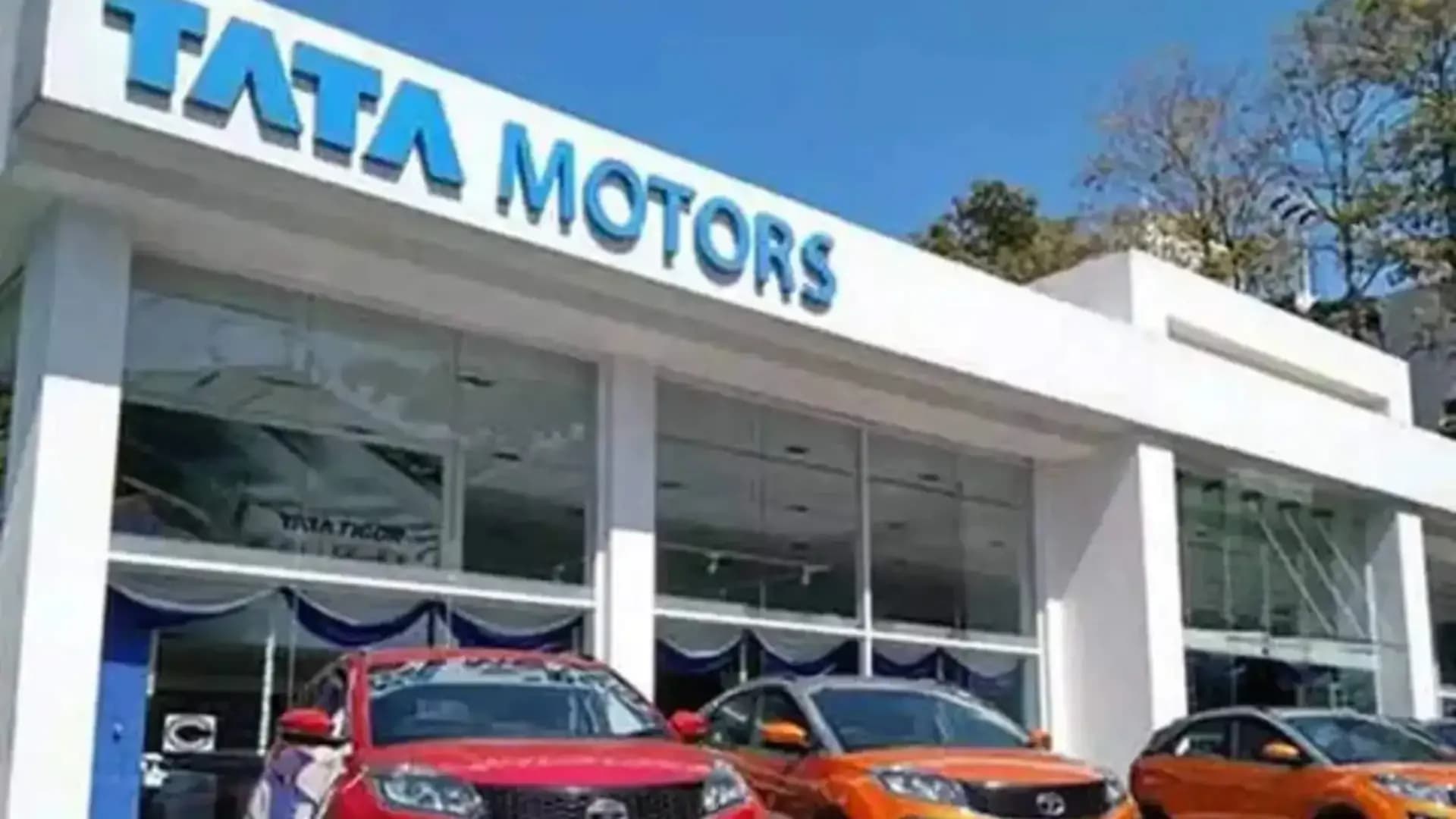
Tata Motors sold 63,083 cars and SUVs in June 2026, posting a 69 percent year-on-year jump, according to company data released on Wednesday. The firm sold 14,800 units of EVs on a year-on-year basis, with total passenger vehicle sales increasing 67.4% to 62,076 units year-on-year. EV sales hit 14,800 units, nearly tripling compared to June 2025, making it the highest-ever monthly EV sales figure for the brand. Domestic passenger vehicle sales grew 67% to 62,076 units year-on-year, while passenger vehicle export figures were at 1,007 units from the year ago period's 154 units. Tata Motors PV also noted that its EV volumes more than doubled in the first quarter of fiscal 2026, with the company stating it consolidated its leadership electric mobility in the aforementioned quarter. The company noted that supply constraints affected the volumes of Sierra EV in the first quarter, while booking momentum remained robust.
The total industry sales estimate for June this year is around 4 lakh plus or minus 2,000 or 3,000 (units), and it was around 3.22 lakh units in June 2025, according to Maruti Suzuki data. Passenger vehicle sales in the country are estimated to have grown nearly 25% in June to about 4 lakh units, led by the likes of Maruti Suzuki, Tata Motors PV and Mahindra & Mahindra, amid concerns over the impact of the West Asia war on vehicle and fuel prices, and deficient monsoon on demand going forward. The tailwinds of GST 2.0, income tax relief on income of up to ₹12 lakh and repo rate cuts by the Reserve Bank of India (RBI) continue to drive demand in the domestic market, as noted by Maruti Suzuki Senior Executive Officer Partho Banerjee. Morgan Stanley said that the retail growth trajectory remained strong in June across passenger vehicles, two-wheelers, commercial vehicles and tractors, adding that electric vehicle penetration continued to improve across segments, and falling commodity costs and healthy volume growth will support margin improvement going ahead. Jefferies estimated that wholesales for trucks grew 38% annually, 23% for passenger vehicles and 14% for tractors in June, while JPMorgan noted that retail demand continued to remain broad-based, although wholesale sales were volatile due to company-specific factors.