India's automobile retail sales experienced a dramatic 23.8% year-on-year decline to 31.72 lakh units in October 2024, according to the Federation of Automobile Dealers Associations (Fada). The sharp drop was primarily attributed to the calendar shift of Dhanteras and Diwali from October to November, while both Navratri and Diwali occurred in October last year. As Fada President Sai Giridhar explained, "October is India's largest retail month of the year, and this year it must be read with the calendar firmly in mind. The year-on-year decline is almost entirely optical. Last October was an exceptional month that carried both Navratri and Deepawali together, over and above the pent-up demand released after the GST 2.0 rate cuts of 22nd September 2025; this year Navratri fell in October while Dhanteras and Diwali moved into November." Despite the high-base effect, October still recorded the second-highest vehicle retail sales for the month, while overall sales rose around 25% sequentially from September, indicating that festive demand remained healthy.
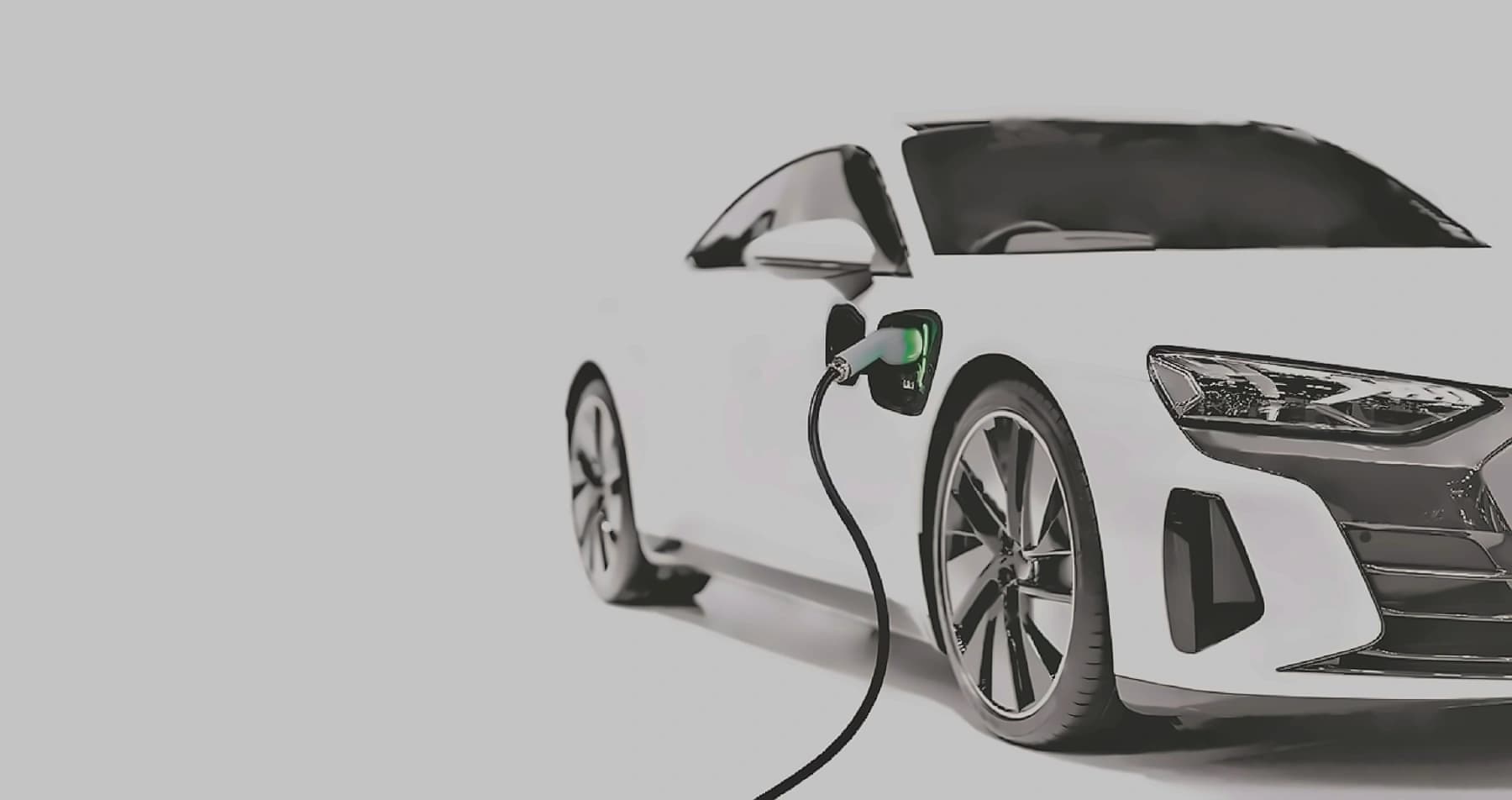
The electric vehicle segment demonstrated remarkable resilience with retail sales rising 44.88% year-on-year to 355,000 units, taking overall EV penetration to 11.5% compared to 6% in the year-ago period. However, electric passenger vehicle penetration declined to 7.3% from 8.5% in September, while electric two-wheeler penetration slipped to 9.7% from 11.6%. The Fada attributed these sequential declines to supply constraints running ahead of demand, as Giridhar noted that "demand ran ahead of supply this month." Despite the supply-demand imbalance, October marked the highest-ever retail registrations for electric two-wheelers, three-wheelers, passenger vehicles and commercial vehicles. The continued shift towards electric, CNG and hybrid vehicles was a structural trend, with alternative fuels once again accounting for a larger share of passenger vehicle retail than petrol.
The sales decline was broad-based across vehicle categories, with two-wheeler retail sales falling 28.35% to 23.21 lakh units and passenger vehicle registrations dropping 4.23% to 5.08 lakh units. However, the electric vehicle segment showed remarkable growth, with sales hitting a record 355,000 units and penetration increasing to 11.5% compared to 6% in the year-ago period. Rural two-wheeler sales were particularly affected, declining 33.97% against urban areas' 20.77% drop. In the electric vehicle segment, Tata Passenger Electric Mobility retained leadership with 14,669 registrations, up 77.61% YoY, while TVS Motor Company maintained leadership in electric two-wheelers with 60,490 registrations, up 94.66% YoY. Despite the overall decline, alternative fuel vehicles including CNG, hybrid and electric vehicles accounted for 41.83% of sales, surpassing petrol vehicles at 41.6%.
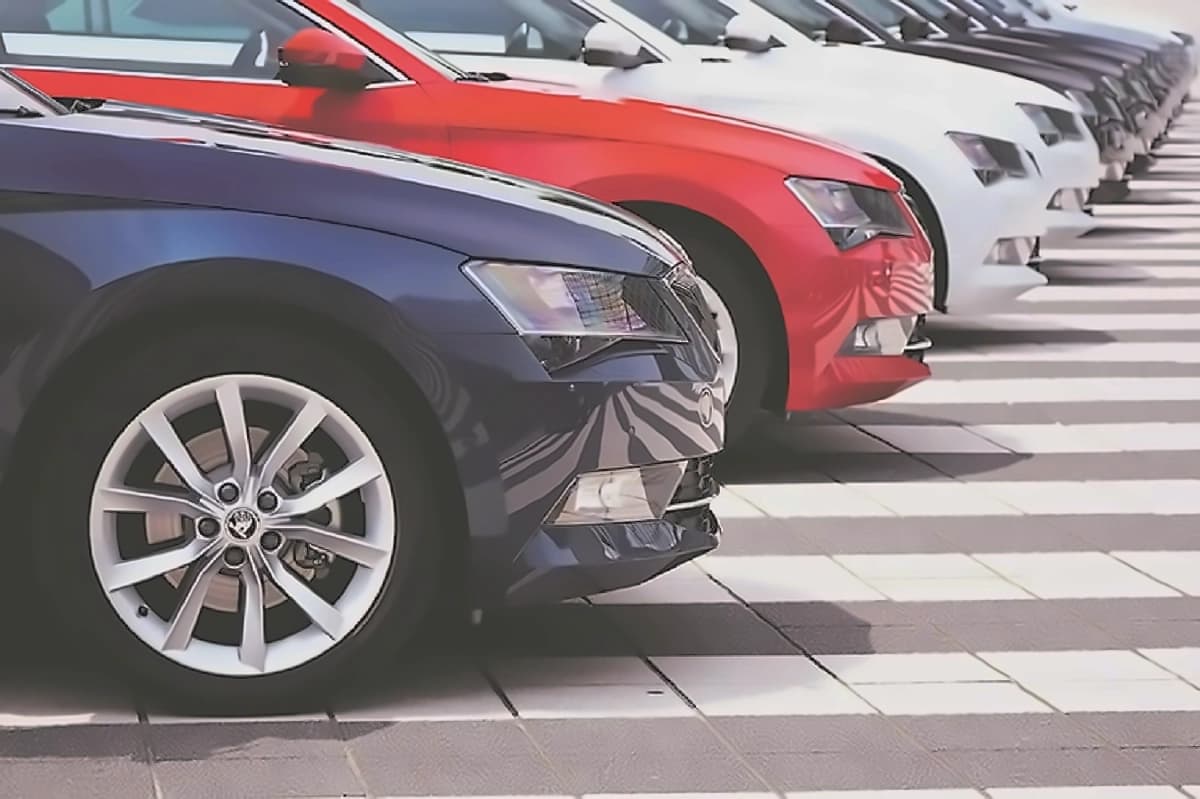
Despite the significant sales drop, Indian auto dealers continue facing inventory challenges that persist despite the strong wholesale performance. Passenger vehicle inventory levels remained at 43-45 days against record wholesale dispatches, highlighting the persistent supply-demand imbalance in the automotive sector. Giridhar flagged this as a key concern, stating "regarding passenger vehicles, our pressing concern is inventory: against record wholesale dispatches from manufacturers, passenger vehicle channel stock held at around 43–45 days — unchanged from September." With the Dhanteras-to-Diwali retail wave now underway, Fada expects inventory to fall back to the 30-day range by the end of CY. The situation mirrors concerns raised by Australian dealers, who warn of "aggressive discounting eroding margins and devaluing vehicles" while dealers carry the financing costs and risk of unsold vehicles.
While passenger and two-wheeler segments struggled, the commercial vehicle segment demonstrated resilience with retail sales growing 2.29% to 1.15 lakh units. Three-wheelers and tractors also posted strong performances, with sales growing 3.97% to 1.41 lakh units and 3.10% to 79,285 units respectively. Electric commercial vehicles were the only category where EV penetration improved sequentially, rising to 4.29% from 4.04% in September, with registrations surging 162.3% YoY to 4,942 units. Construction equipment sales with wheelers registered 22.07% growth to 7,434 units. As Giridhar noted, "This was still the second-highest October on record, with Commercial Vehicles, three-wheelers and tractors each posting their best-ever October." October also marked the best-ever October for electric two-wheelers, three-wheelers, passenger vehicles and commercial vehicles, with EV demand running ahead of supply as petrol and diesel prices remain elevated.