
Aurobindo Pharma has launched ADQUEY (difamilast 1 percent) ointment in the US market through its subsidiary Acrotech Biopharma, marking the company's strategic entry into the specialty medicines sector. According to reports from TradingView News, the non-steroidal topical treatment for mild-to-moderate atopic dermatitis represents Aurobindo's ambitions beyond traditional generics, with the company establishing a dedicated dermatology business to support this launch. To support the launch, Acrotech has created a dedicated dermatology division spanning sales, marketing and physician engagement, underscoring the company's commitment to building a specialized commercial platform.
The company estimates the US dermatology market worth approximately $1.3 billion, with ADQUEY positioned to compete in this significant therapeutic area. As reported by TradingView News, a pharma analyst at a Mumbai-based brokerage house estimates the product has potential to generate $200-$300 million over the next 3-4 years. The launch represents more than a single-product opportunity, with Acrotech's management designing infrastructure to support future dermatology products and additional opportunities in dermatologic care. For Aurobindo, this represents an attempt to build a specialty commercial platform that can support future dermatology products.
The move follows a path pioneered by Sun Pharma, whose success in building a profitable specialty portfolio in the US has encouraged other Indian drugmakers to pursue higher-margin branded therapies. According to TradingView News, specialty drugs provide targeted therapy for severe, chronic and rare diseases and often feature incremental innovation like new delivery formulations such as patches, inhalers, topicals, or new disease indications, ensuring better margins through patent protection and limited competition. This shift comes as intense competition, price erosion and buyer consolidation have made traditional generics less attractive, with even large players struggling to generate meaningful growth from plain-vanilla generics.
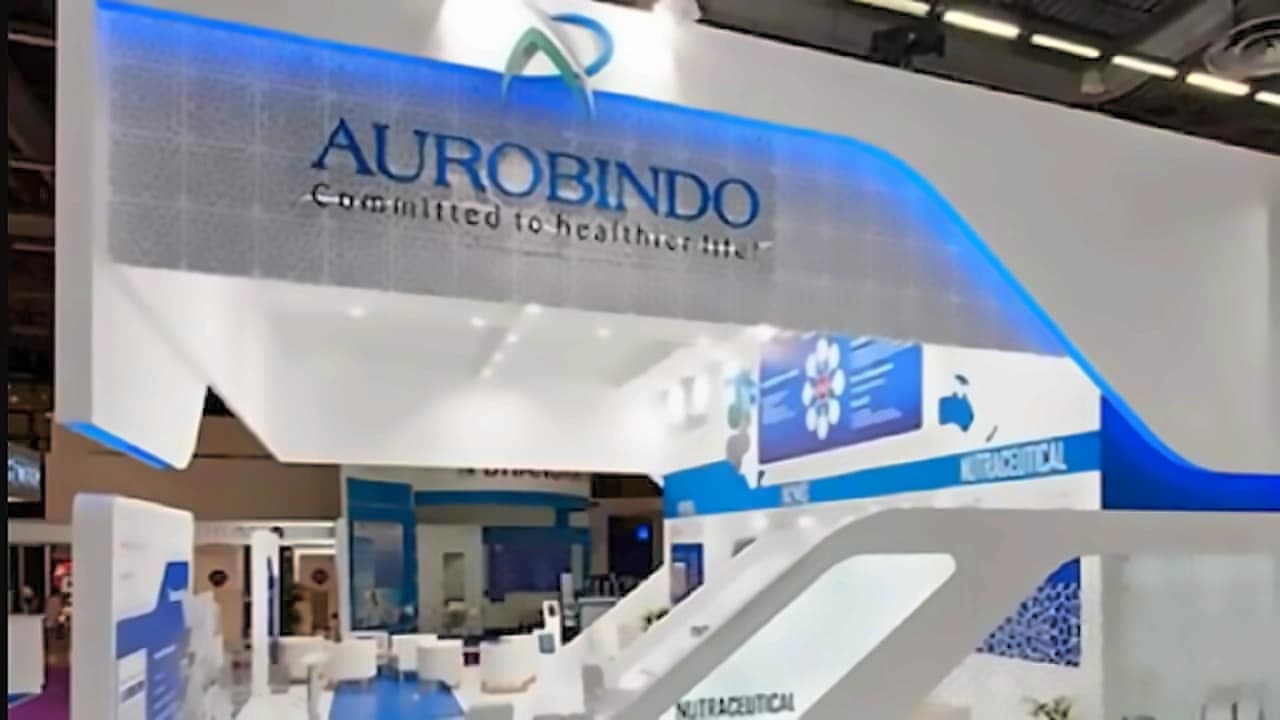
The launch aligns with a broader shift in the Indian pharmaceutical industry, where companies are moving beyond manufacturing generics to build commercially differentiated businesses. As reported by TradingView News, Lupin has emerged as the strongest proof of concept, building a more than $1 billion speciality franchise through dermatology and immunology products that increasingly contribute to profits. Other companies including Zydus Lifesciences have been aggressive in expanding specialty and novel-product ambitions, particularly in dermatology and niche therapies. JM Financial recently noted that Aurobindo is pursuing nine to ten opportunities across respiratory and dermatology, underscoring that it views specialty medicines as a key growth pillar alongside generics, respiratory therapies and contract manufacturing.
Unlike previous investments by Dr Reddy's Laboratories and Lupin in specialty businesses that resulted in retreats from some efforts, Aurobindo appears to be taking a more selective approach. According to TradingView News, the company licensed ADQUEY from Japan's Otsuka Pharmaceutical rather than developing it internally, allowing entry with a de-risked asset while leveraging Acrotech's commercial capabilities. Industry executives note that companies are becoming more selective, focusing on licensed products and targeted therapeutic areas to reduce development risk, with the economics now more favorable for building specialty franchises requiring large investments in clinical development, physician outreach, patient support programmes and dedicated sales teams.

