Atul Auto reported contrasting financial results for Q2 FY27, with revenue growing 34% year-on-year to ₹268.31 crore compared to ₹200.17 crore in the corresponding quarter last year. However, the company faced significant profitability pressures as consolidated net profit declined 17% to ₹67 million from ₹92 million in Q2 FY26. According to latest reports, the company's EBITDA fell 24% to ₹140 million from ₹185 million, with EBITDA margin compressing sharply to 5.2% against 9.25% in the previous year's quarter, representing a 400 basis point decline.
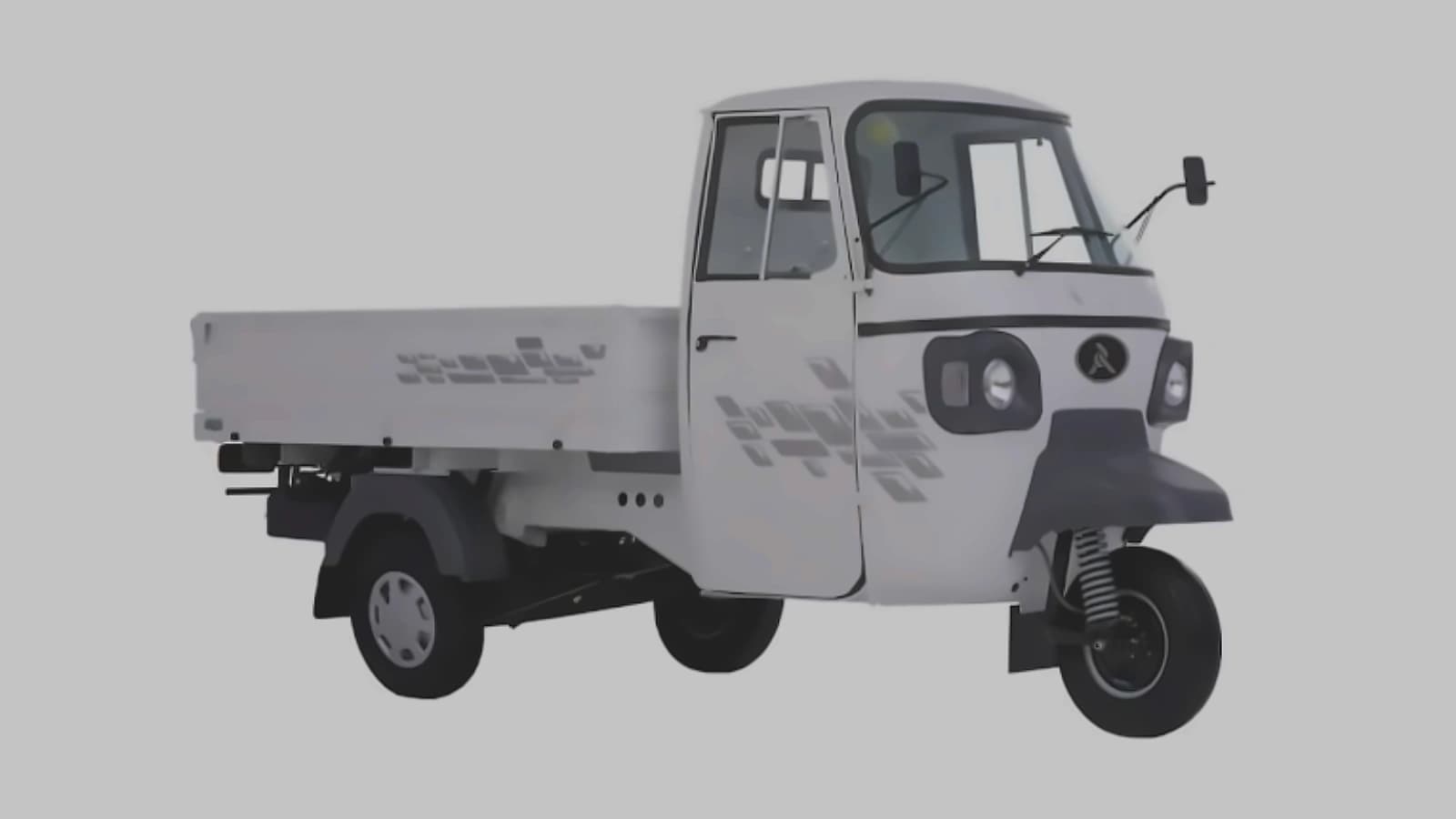
The company demonstrated robust operational performance with three-wheeler sales volume surging 29% to 11,916 units during the September quarter, compared with 9,248 units in the corresponding period last year. As reported by latest data, this strong volume growth in the company's core three-wheeler segment contributed significantly to the overall revenue expansion despite the significant margin compression. The divergence between strong volume growth and lower profitability highlights significant cost pressures and operational challenges during the reporting quarter.
For the half year ended September 30, 2026, Atul Auto showed improved consolidated performance with revenue from operations increasing to ₹486.74 crore from ₹352.95 crore in the corresponding period last year. According to CNBC TV18, consolidated profit before tax (PBT) rose to ₹19.76 crore from ₹14.85 crore, while profit after tax (PAT) increased to ₹14.88 crore from ₹10.33 crore, registering growth of approximately 44%. The company attributed this first-half performance to higher three-wheeler sales volumes and contributions from its automobile and financial services businesses.
Despite the mixed quarterly results showing strong revenue growth but declining profitability, Atul Auto shares ended 2.07% lower at ₹411 on the NSE on October 30, as reported by CNBC TV18. The market reaction reflects investor concerns over the profit decline despite strong revenue growth and volume expansion in the company's core three-wheeler business segment. The divergence between rising revenue and falling profits suggests that input costs or operational expenses increased at a faster rate than revenue, eroding margins despite the volume expansion. Investors will closely monitor sales volumes, cost efficiency, operating margins and demand trends in the coming quarters to assess the company's financial performance going forward.