European aerospace major Airbus has officially opened South Asia's first comprehensive radome repair facility in Nagpur, India, under a service agreement for A320, A330, A350, and A380 aircraft families. According to the latest reports, this facility designates Indamer Technics as an authorised facility for extensive repair, storage, and exchange of aircraft radomes across the South Asia region. As per Airbus, this collaboration serves as a foundational step in developing a localised Airbus avionics repair network across South Asia, supporting customer operations ahead of upcoming widebody aircraft inductions while optimising single-aisle maintenance across the region. The facility is strategically located in Nagpur, Maharashtra, positioning it as a regional hub for radome services supporting not only Indian carriers but also operators across South Asia. Jürgen Westermeier, President and Managing Director of Airbus in India and South Asia, stated that this agreement represents a major milestone in building a robust, localised aerospace ecosystem in India, with the Nagpur facility expected to reduce turnaround time and support airlines as the region witnesses unprecedented fleet expansion. Westermeier highlighted that establishing such capabilities in India would help strengthen the local aviation ecosystem while benefiting airlines through quicker turnaround times.
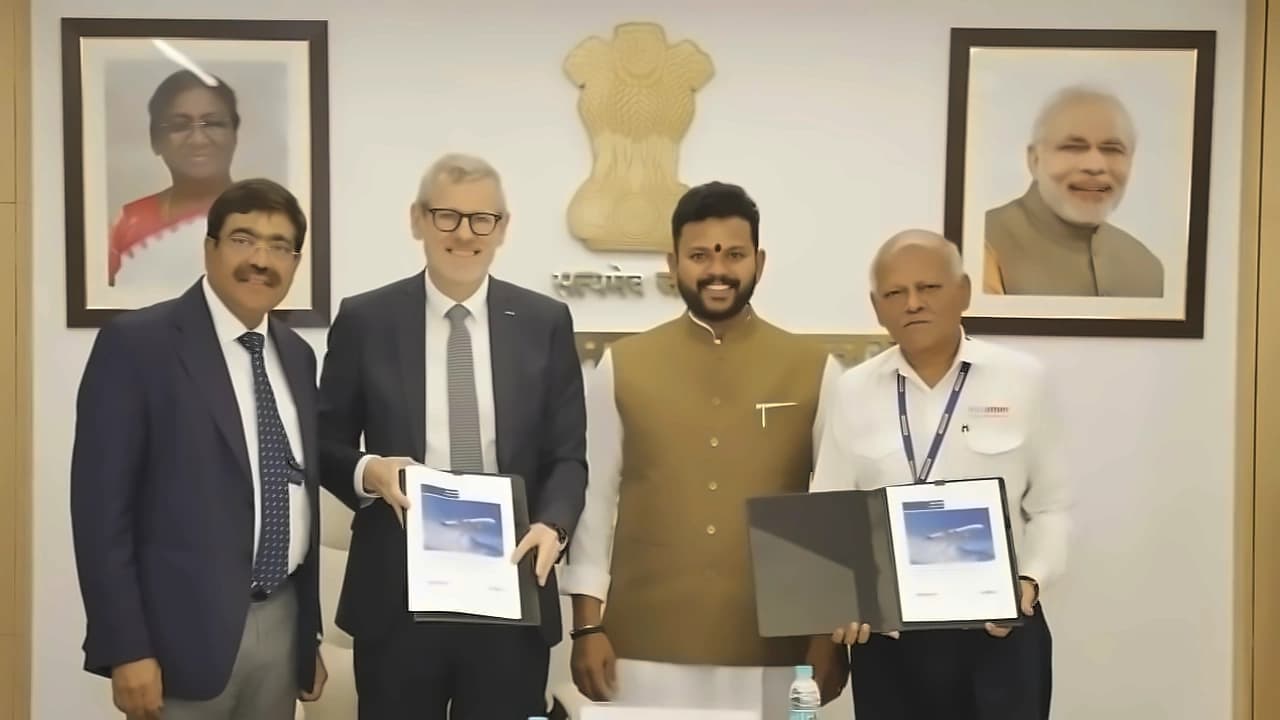
The facility provides full structural inspections and testing, complete paint-stripping, repainting and curing processes, execution of both major and minor repairs, advanced Non-Destructive Testing (NDT) for Airbus programme radomes. Under the agreement, Indamer's facility will perform full structural inspections and testing, paint-stripping and repainting, major and minor repairs, Non-Destructive Testing, and certification for Release to Service on all Airbus programme radomes in the region. The facility will also manage end-of-life handling and secure disposal of units, ensuring comprehensive service capabilities for aircraft maintenance. Prajay Patel, Director of Indamer Technics, stated that being selected by Airbus represents a strong endorsement of the company's quality and engineering capabilities, emphasizing safety and precision at the core of their operations. The facility will act as a central hub for Airbus radomes, providing storage and exchange support besides repairs, with the capability to handle end-of-life radomes and their secure disposal when required.
According to Airbus, the localised capability will improve maintenance efficiency as regional airlines prepare for fleet expansion, one of the world's fastest-growing aviation markets. Westermeier revealed that Airbus has a backlog of more than 1,200 aircraft with India, which would translate into an average of around 120 aircraft a year over the next 10 years. The company expects to deliver more than two aircraft a week to India on average over the next 10 years, with Airbus already having a significant presence in India's growing aviation sector. More than 500 of the nearly 800 aircraft currently flying in India are from Airbus, as per Westermeier. The agreement is particularly significant as Indian airlines rapidly add aircraft and prepare for substantial widebody inductions, with radomes damaged by bird strikes, hail or other impacts requiring specialised inspection and repair. Westermeier highlighted that this agreement strengthens the company's regional aftermarket support and supports government initiatives in the aviation MRO sector, with the facility positioned to support unprecedented fleet expansion in the region with significantly reduced turnaround times.
Indamer Technics is a wholly owned subsidiary of Horizon Aero Solutions Limited, a 50-50 venture between Adani Defence & Aerospace and Prime Aero. The company operates multiple MRO facilities across India and will serve as a foundational step in developing a localised Airbus avionics repair network across South Asia. Patel noted that this agreement marks an important next step in their vision to establish India as a self-reliant, world-class hub for aerospace MRO, with the selection representing an important endorsement of the company's quality and engineering capabilities. The facility's location at the nose of aircraft makes it critical infrastructure, as the radome is the weatherproof protective cover housing sensitive radar and antenna systems designed to withstand hail, bird strikes, other impacts and aerodynamic forces while allowing radar signals to pass through without interference.