Singapore Airlines has signaled its willingness to consider additional funding for Air India, marking its first public indication of support for the loss-making carrier. According to a regulatory filing on Monday, SIA stated that its board will carefully consider any requests for additional capital from Air India, taking into consideration the group's other capital requirements and Air India's business strategy. The airline responded to queries from the Securities Investors Association (Singapore) and shareholders ahead of its annual general meeting on 24 July. As per Mint, Gagan Dixit from Elara Securities noted that SIA's language suggests a more measured approach to future capital commitments, indicating that any fresh funding request will be evaluated against the group's broader capital needs and Air India's business strategy.
According to SIA's annual report filed in May, Air India is expected to report a loss of about $3.76 billion Singapore dollars (around $3 billion or ₹28,400 crore) for FY26, nearly three times its estimated FY25 loss. The privately-held airline is expected to file its earnings with the ministry of corporate affairs next month. Singapore Airlines recognised a share of losses of 945.2 million Singapore dollars (about $742.4 million) from its investment in Air India for FY26, compared with a share of profit of S$48 million from Vistara in the previous year. SIA's FY26 net profit more than halved, largely due to its share of losses from Air India. FY26 losses at Air India, the country's second-largest carrier with a 25% market share, are expected to be more than 10 times those of market leader IndiGo, which reported a net loss of ₹2,400 crore.
Explaining its investment rationale, SIA said its 25.1% stake in Air India provides direct access to the country's domestic aviation market and international traffic flows through Indian hubs, complementing its Singapore hub. The airline noted that it is the only non-Indian airline group with a direct stake in this important and fast-growing market. SIA's capital allocation follows a disciplined evaluation process that considers operating cash flow, investment requirements in new aircraft and products, as well as strategic investments such as Air India. As a significant minority shareholder, SIA said it remains committed to supporting Air India's transformation alongside Tata Sons. The shift from a 50% stake in Vistara to a 25% stake in Air India changes the dynamics, with SIA likely to seek stronger governance and greater visibility on execution before committing further funds.
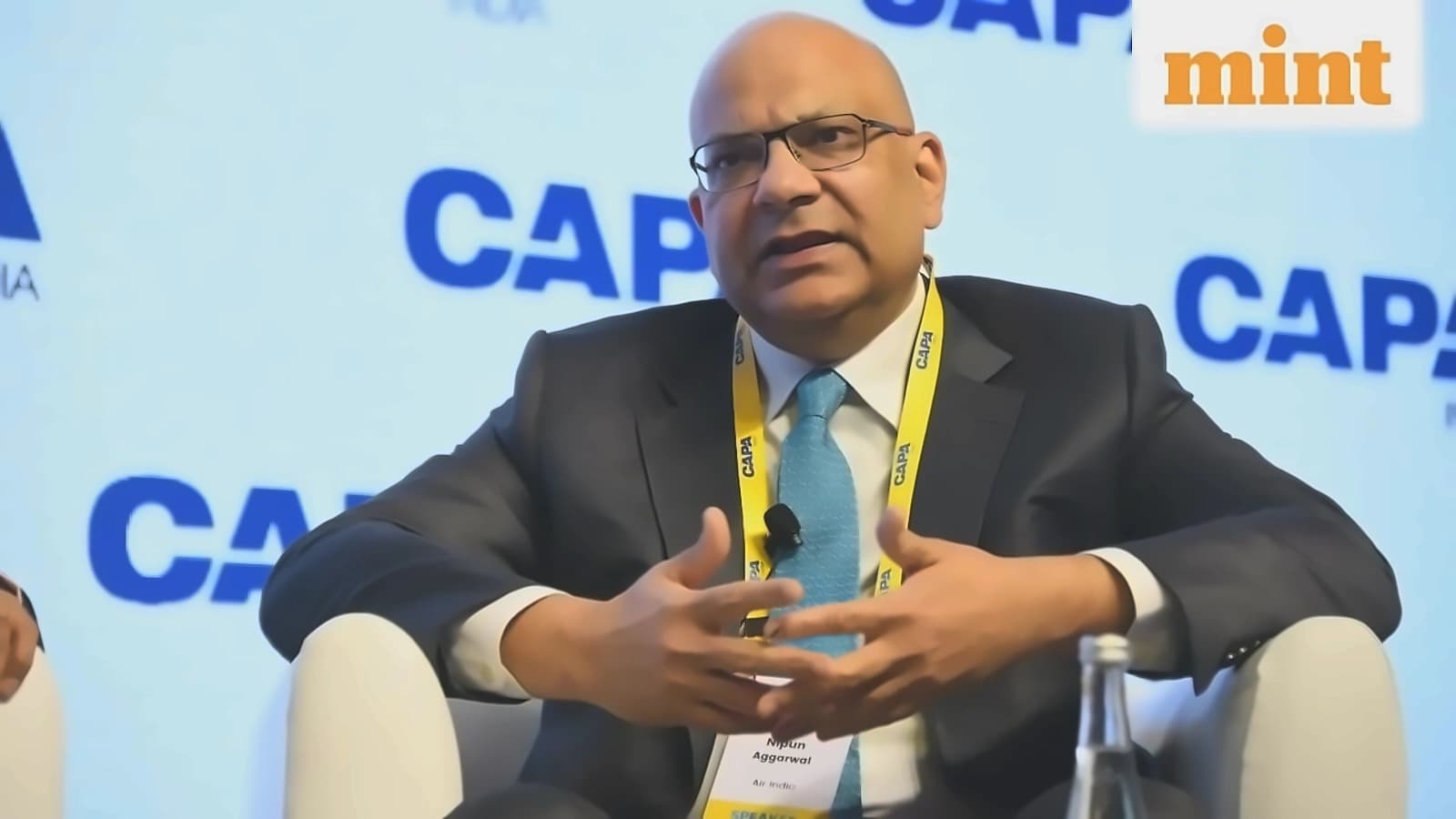
According to reports from Mint, Air India will begin restoring most of the domestic and international capacity it cut since April from September 2026, as geopolitical tensions ease and jet fuel prices stabilise. Air India's chief commercial officer, Nipun Aggarwal, confirmed on Friday that most flights are already on sale and were never withdrawn. The move marks the airline's first major capacity restoration after months of schedule cuts triggered by airspace closures over Pakistan and West Asia, aircraft shortages, and longer flying times to Europe and North America. SIA acknowledged that Air India has made measurable progress across key areas, including customer experience, fleet and network expansion, operational performance, and improvements to its ground and in-flight services.
The airline has faced multiple operational challenges including delayed aircraft deliveries, fleet retrofit programmes, and supply-chain constraints that reduced aircraft availability. Air India ended FY25 with 180 aircraft, while its low-cost subsidiary had 110, bringing the total fleet to around 290 planes. However, the operating fleet is currently down to around 220 aircraft according to industry executives. Some North American routes will continue to remain affected, with Chicago suspended and Washington operating at lower frequencies due to Boeing 777 aircraft undergoing cabin retrofits. The airline is preparing for a leadership transition, with chief executive Campbell Wilson set to step down in September. Air India has brought back former chairman and managing director Pradeep Singh Kharola to its senior management team, signalling the start of a planned leadership transition as Wilson departs.
Despite disruptions, passenger demand has remained resilient, particularly in the domestic market, with Aggarwal expecting airfares to moderate as capacity returns and fuel prices remain under control. According to Mint, investors, including SIAS, have questioned the rationale behind Singapore Airlines' investment in Air India, given mounting losses at the Indian carrier. However, Dixit noted that investors naturally want to see operational improvements, a clearer path to profitability and evidence that previous investments are delivering results before approving fresh capital. SIA acknowledged that Air India continues to face multiple headwinds, including high fuel prices, the depreciation of the Indian rupee against the US dollar, aircraft supply-chain disruptions, the continued closure of Pakistan's airspace for Indian carriers, and the AI171 crash last year. Despite these challenges, SIA said Air India is making tangible progress in its transformation programme across customer experience, fleet and network expansion, products and services, and operational performance.