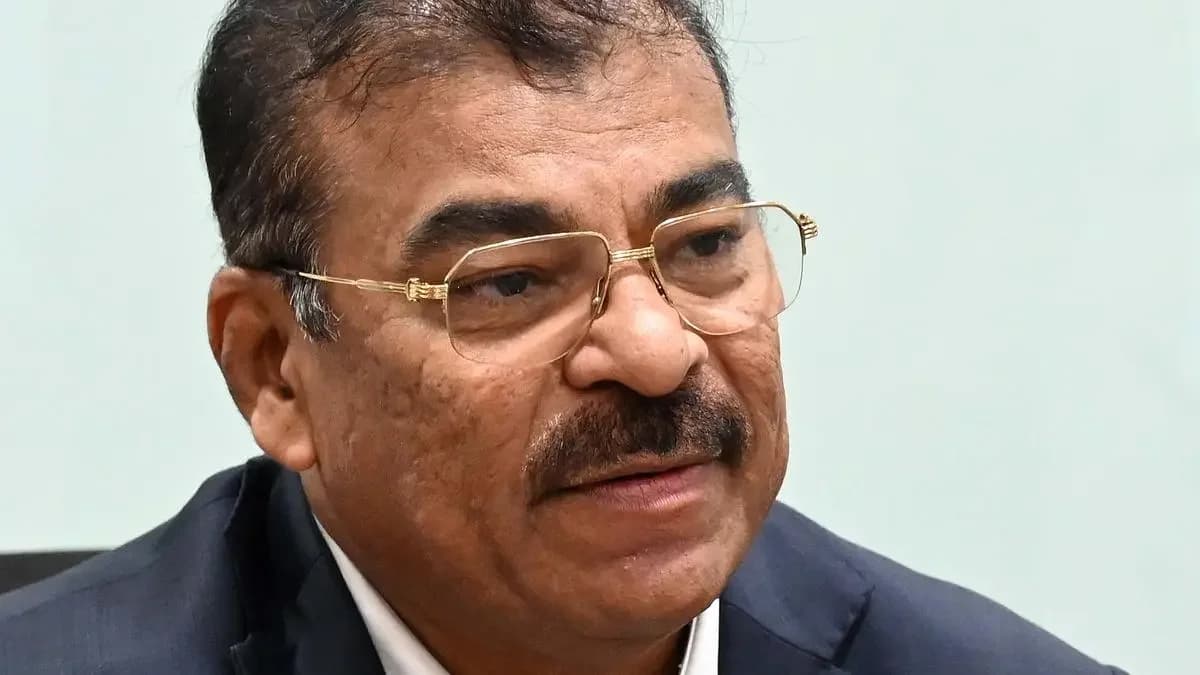
Air India has entered India's emerging electric vertical take-off and landing (eVTOL) aviation space by signing a memorandum of understanding (MoU) with Japan's SkyDrive and Suzuki Motor Corporation to study the feasibility of using electric aircraft for medical air logistics. According to the statement released on July 31, the collaboration aims to evaluate the deployment of eVTOL aircraft for transporting high-value, time-sensitive medical supplies, helping overcome severe traffic congestion and improving last-mile emergency logistics. Ramesh Mamidala, head of cargo at Air India, emphasized that India is today one of the world's largest and fastest-growing aviation markets, and they see advanced air mobility as a natural extension of the country's transport ecosystem. The partnership reflects their shared ambition to explore 21st century solutions to address real-world challenges while shaping the future of mobility.
The partnership comes as competition in the advanced air mobility segment gathers pace, with rival IndiGo already forging partnerships with US-based Archer Aviation, while its group company has joined hands with Bengaluru-based Sarla Aviation to explore electric air taxi services in India. As reported by the companies, while IndiGo's focus is on urban passenger mobility, Air India's collaboration is centred on time-critical medical logistics. Ramesh Mamidala stated that the potential application of eVTOL aircraft for medical air logistics is particularly compelling because it combines technology and purpose, helping to reduce critical transit times when every minute can make a difference. The collaboration aims to contribute to the advancement of India's medical infrastructure by reducing transit times for critical healthcare supplies through advanced air mobility solutions.
The study will combine SkyDrive's eVTOL technology, Air India's operational expertise and Suzuki's understanding of the Indian market. According to the partnership announcement, Air India will contribute its operational expertise, airport infrastructure knowledge and stakeholder relationships to develop a framework for safe, reliable and scalable eVTOL operations. SkyDrive, which is developing eVTOL aircraft for urban air mobility, said India's traffic congestion makes it an attractive market for aerial medical logistics, with founder and CEO Tomohiro Fukuzawa noting that utilizing eVTOLs for advanced medical logistics will reshape medical infrastructure. The collaboration aims to realize last-mile emergency medical logistics, contributing to the advancement of India's medical infrastructure.
Suzuki, which already has a business and technology partnership with SkyDrive for eVTOL development, said the aircraft could become an important component of urban healthcare infrastructure. As reported by the companies, the eVTOL aircraft being developed by SkyDrive, with which Suzuki is engaged in business and technology collaboration, represents a new form of mobility that embodies Suzuki's philosophy of 'Sho-Sho-Kei-Tan-Bi (Smaller, Fewer, Lighter, Shorter, and Neater)'. Masao Fujitani, executive general manager, next generation business development at Suzuki Motor Corporation, said the company aims to develop 'infrastructure mobility closely connected with people's lives' through collaborations with partners such as SkyDrive and Air India. The company's corporate slogan 'By Your Side' reflects their commitment to providing diverse mobility options tailored to customers' needs and contributing to regional development.
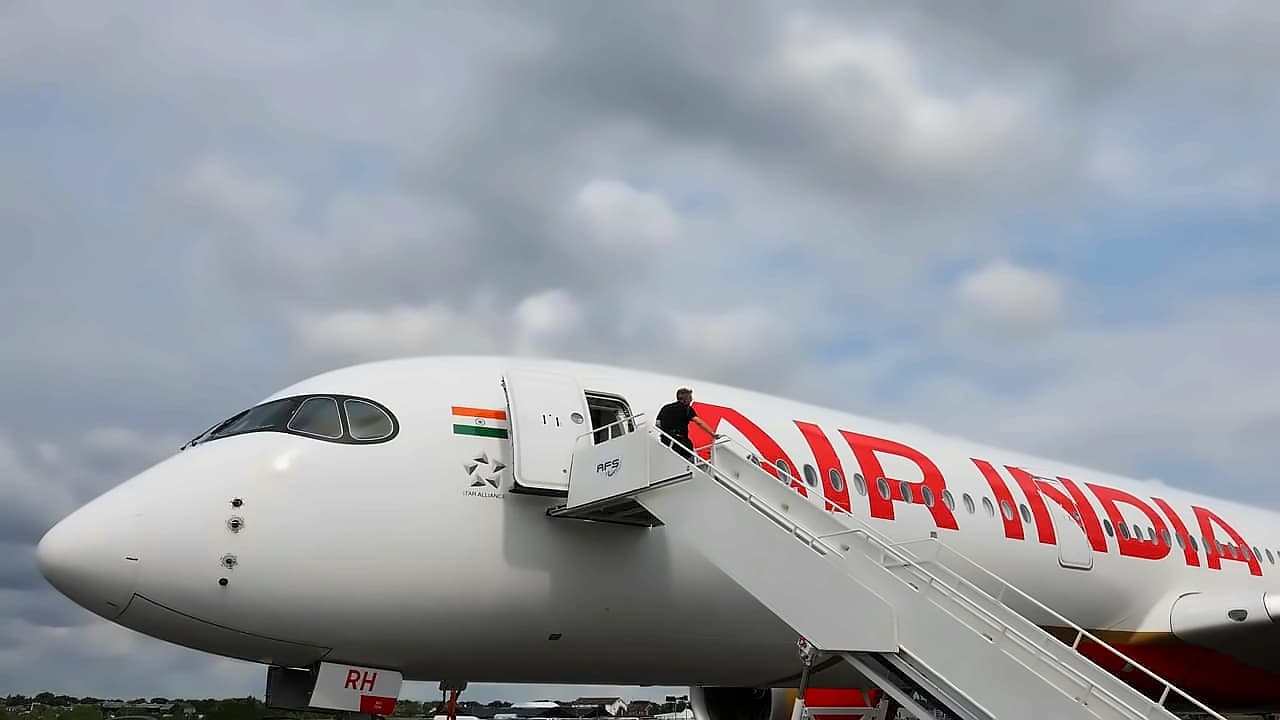
India's advanced air mobility ecosystem has gained momentum over the past year, with IndiGo parent InterGlobe Enterprises having partnered Archer Aviation to launch an all-electric air taxi network in India. The partnership broadens Air India's role in next-generation aviation beyond conventional passenger and cargo operations, as the Tata Group airline explores new applications for electric aircraft. The companies did not disclose a timeline for completing the feasibility study or potential commercial deployment of the eVTOL operations, but the collaboration represents a significant step toward realizing advanced air mobility solutions in India's challenging urban transportation landscape.