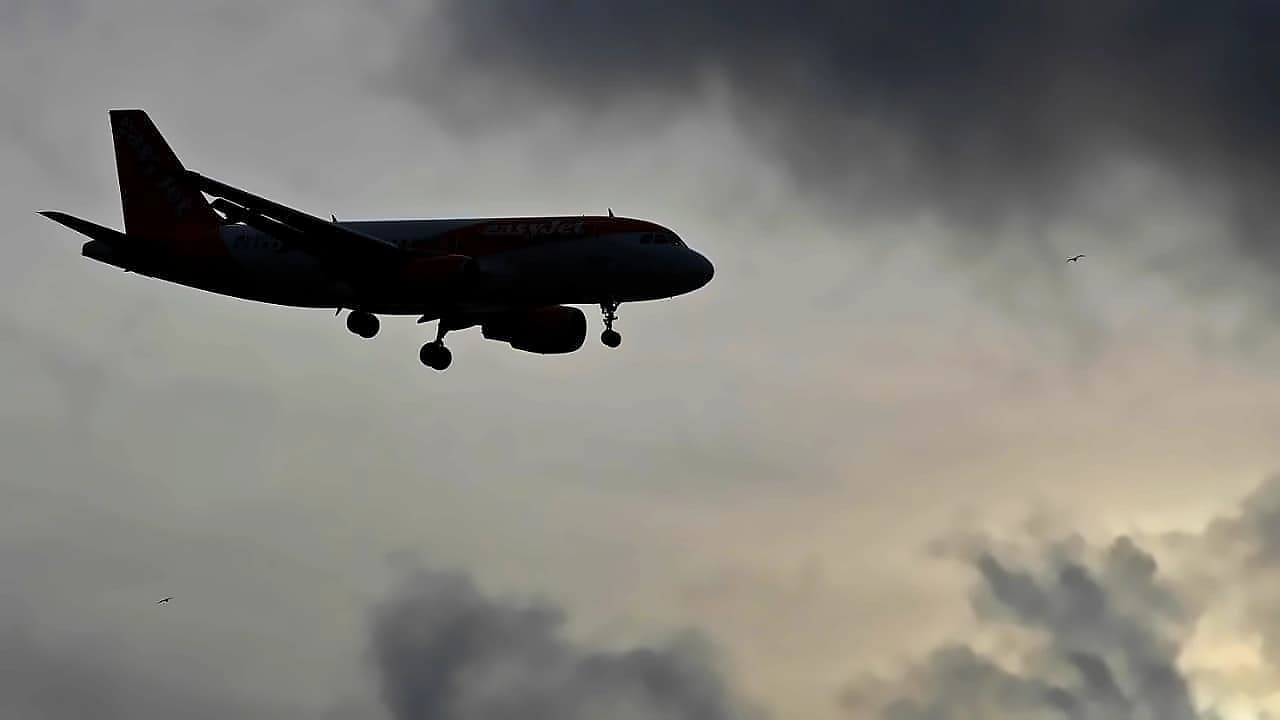
Air India's Delhi-Bengaluru flight AI2651 experienced a tail strike during landing at Kempegowda International Airport, Bengaluru on May 21. The aircraft, operating as a narrow-body Airbus A321-series aircraft, carried 181 people on board including passengers and crew members. According to multiple reports, the aircraft landed safely despite the incident, and all passengers and crew members disembarked normally. The airline confirmed that the aircraft has been grounded for a detailed inspection following the landing incident. As per PTI, a second airline official revealed that the incident was caused by wake turbulence from a wide-body aircraft that had just taken off, which prompted the pilot to perform a go-around due to wind disturbances. According to flight tracking website Flightradar24, the aircraft operating flight AI2651 was an Airbus 321.
The grounding of the aircraft has resulted in the cancellation of return flight AI2652 from Bengaluru to Delhi. As reported by NDTV Profit, Air India stated that alternative arrangements are being made to accommodate affected passengers at the earliest. The airline emphasized that the matter will be investigated in line with established procedures, ensuring proper protocols are followed for incident analysis. An Air India spokesperson confirmed that "our ground teams in Bengaluru are providing all necessary assistance" to affected passengers. According to PTI, the pilots have been off rostered pending an investigation, and the airline regrets the inconvenience caused while maintaining that "the safety of our passengers and crew remains our highest priority".
The Directorate General of Civil Aviation (DGCA) has initiated an investigation into the incident, as confirmed by an official familiar with the matter. The aviation regulator's involvement represents standard protocol when aircraft incidents occur, ensuring thorough examination before returning the aircraft to service. Air India confirmed that the incident will be investigated "in accordance with established procedures, in coordination with the relevant regulatory authorities" to ensure proper protocols are followed for incident analysis. The airline emphasized that all necessary safety procedures are being followed during this investigation period.
The incident was attributed to wake turbulence, which is the disturbed air left behind by an aircraft as it takes off. According to the Federal Aviation Administration (FAA), wake turbulence forms due to pressure differences around an aircraft's wings, creating rotating air masses known as vortices. The wake turbulence generated by one aircraft can affect another aircraft flying behind or nearby, depending on the strength, duration, and direction of these vortices, potentially impacting stability during critical flight phases such as approach or landing. As reported by PTI, the turbulence during approach was likely caused by wake turbulence from a wide-body aircraft that had taken off in the area, leading to an unstable approach that prompted the pilot to execute a go-around maneuver. During that manoeuvre, the aircraft's tail made contact with the ground, resulting in the strike. Specific details about the wide-body plane could not be ascertained.