Air India Express has achieved a significant financial milestone by posting its first operating profit since Air India was privatised in January 2022. According to an internal update shared with employees and seen by Reuters, the Tata Group-owned carrier is expected to report an operating profit in the second half of the current fiscal year ending in March. The development was shared with employees during a recent town hall meeting at the airline's headquarters, with leadership noting that the anticipated operating profit reflects improving unit economics, disciplined cost management, and stronger operational performance. The management attributed this projected turnaround to a series of strategic initiatives implemented throughout the year, with a focused commercial strategy and sharper capacity deployment starting to yield results.
Since privatisation, Air India Express has demonstrated remarkable growth with available seat kilometres (ASKs) nearly doubling and market share tripling. As reported by CNBC TV18, the airline is planning exponential growth of nearly three times by FY31, when it aims to operate a fleet of around 300 aircraft and command a 25% market share in the domestic market. Currently, the airline has emerged as the second-largest domestic airline in India after IndiGo, operating 110 domestic routes compared with 70 for Air India, and serving 45 domestic stations. The airline's network includes 110 domestic routes and 75 international routes, maintaining a nearly even allocation between international and domestic sectors at a ratio of 54:46.
Air India Express operates with a 54:46 ratio between international and domestic operations, contrasting with IndiGo's predominantly domestic skew of 70:30. According to CNBC TV18, the airline's network is almost evenly split between international and domestic operations, with 75 routes across 60 stations internationally. The management outlined that the strategy for Air India Express is not to function as a Full-Service Carrier or a Low-Cost Carrier, but rather as a "value carrier positioned between an FSC and an LCC, with a premium, differentiated experience." This balanced approach positions the airline as a value carrier rather than a traditional full-service or low-cost airline, targeting a premium yet differentiated experience.
Operational metrics indicate a transformation in customer experience, with the airline's Net Promoter Score (NPS) reaching an all-time high. As reported by ANI, Air India Express has also maintained the highest On-Time Performance in India, ranking first for the past two months. The airline currently stands as the second-largest carrier in India in terms of both domestic and international routes. Management emphasized that while achieving operating profitability is a significant step, the long-term focus remains on improving margins, maintaining dependable service and sustaining performance. The sustained financial discipline, alongside investments in fleet, systems and people, has helped build a more scalable and resilient business.
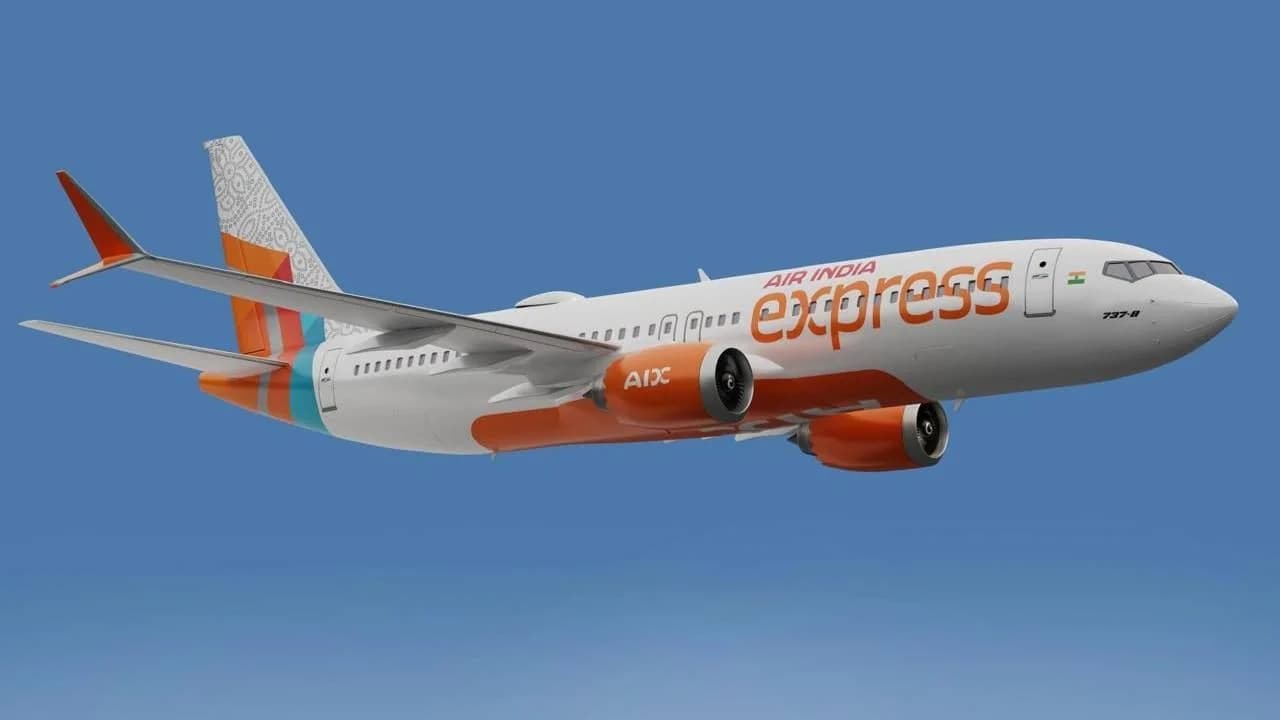
The airline is investing over $70 million in a retrofit programme to upgrade its product offering as part of its value-carrier strategy. As reported by CNBC TV18, management emphasized that while achieving operating profitability is a significant step, the long-term focus remains on improving margins, maintaining dependable service and sustaining performance. The ongoing investments in fleet, systems, and people are aimed at building a scalable and resilient airline. Air India Express now operates more than 100 narrowbody aircraft across Boeing and Airbus fleets and has announced the addition of 30 Boeing 737 MAX jets last month. Management has previously outlined plans to double capacity within four to five years, supported by a long-term fleet target of more than 200 aircraft.