The Iran war has inflicted devastating financial losses on Middle Eastern airports, with nine airports losing an estimated 27 million passengers and up to $1 billion in revenue during the two months following the conflict's start. According to analysis by the Airports Council International Asia-Pacific & Middle East (ACI APAC & MID), these airports suffered a 'disproportionate and sustained burden' due to their position as one of the world's most important transport corridors. The airports operated at an average of just 53% of pre-conflict scheduled flights across March and April 2026, with operations falling as low as 32% of scheduled capacity on the first day of the conflict. This represents a dramatic decline from the 300–350 daily flights that typically connect India with the Gulf and onward to Europe and North America, as carriers cancelled or sharply curtailed services while waiting for clarity on viable routes.
European carriers have emerged as notable beneficiaries of Air India's flight reductions, with foreign airlines' share of India-origin international scheduled flights rising to 58.4% in March-May, from 51.2% a year earlier, according to OAG data. Swiss, owned by Lufthansa Group, scheduled 247 flights from India during March-May, up 39% from a year earlier, with the increase driven mainly by the Delhi-Zurich route where scheduled flights rose 76% to 155. KLM scheduled 294 flights, up 19.5%, while Cathay Pacific scheduled 588 flights from India to Hong Kong, up 19% from last year. Cathay CEO Ronald Lam told Reuters that many Indian passengers previously connecting through the Middle East were heading to the U.S. via Hong Kong hub. The crisis has forced major European carriers to implement comparable strategies, with KLM halting flights to Tel Aviv, Dubai, Riyadh and Dammam into mid-May while avoiding Iran, Iraq and Israel airspace, as well as sections of several Gulf states. Emirates has held its India-origin schedule steady at 2,196 flights in March-May, while some airlines are rolling out extensive marketing campaigns to lure Indian passengers, with German carrier Lufthansa lighting up Mumbai's iconic Sea Link bridge with its name in March.
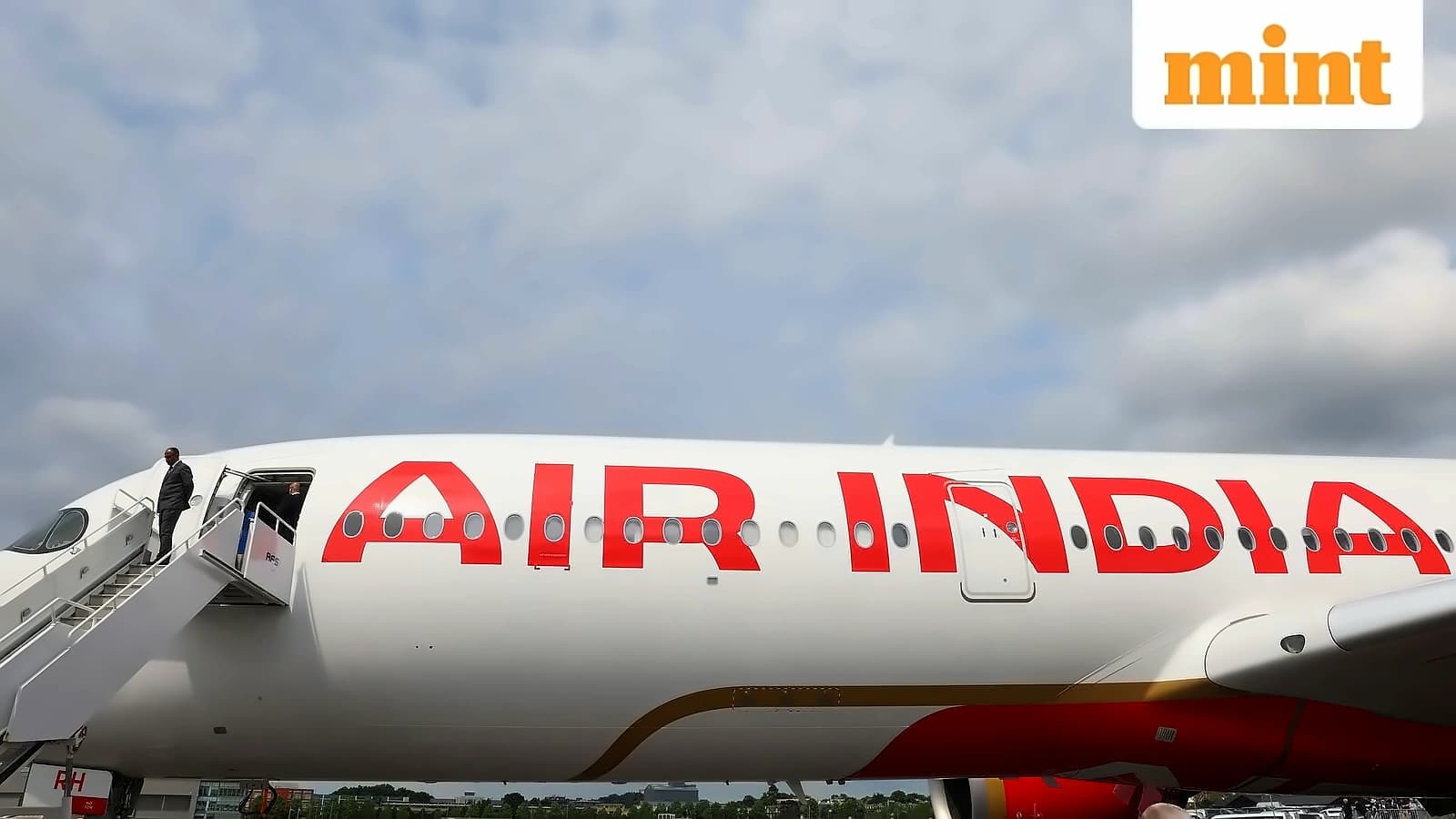
Air India, owned by Tata Group and Singapore Airlines, faces unprecedented financial pressure as rising aviation turbine fuel prices have intensified the pressure significantly. Data compiled by industry researchers indicates that the share of fuel in Indian carriers' operating costs has climbed toward 55 to 60 percent, up from a prewar baseline of around 30 to 40 percent. The airline has announced phased fuel surcharges on international routes, including West Asia, in a bid to pass a portion of those costs to passengers while warning staff internally that further capacity cuts may be required if demand weakens or jet fuel prices climb higher. Air India, which has never reported a profit since being sold by the government in 2022, is set to post record losses of over $2.12 billion for fiscal 2025-26. Outgoing CEO Campbell Wilson wrote in a May 1 staff memo that the 'massive rise' in jet fuel prices together with airspace closures and longer flying routes has caused many international flights to become unprofitable. More than 60% of the group's revenue is from international operations, making it particularly vulnerable to the current crisis. The Middle East restrictions have worsened when Dubai in March capped daily flight numbers to its airports by foreign carriers, adding to Air India's operational challenges.
The Middle East restrictions have significantly impacted Air India's operations, with Air India's India–US flights seeing a staggering 77.4% reduction in services between March and May 2026, according to latest data. This represents a direct consequence of the challenges posed by geopolitical instability in the Middle East and Pakistan's airspace closure. The Pakistan airspace closure further exacerbated these issues, as Air India had to reroute flights, resulting in longer flight times, increased operational costs, and reduced seat availability. The decline in available flights has forced passengers to seek alternatives, particularly those traveling from India to the United States, with foreign carriers now capitalizing on this shift in demand. Air India's scheduled flights from India to Europe fell 5.1% year-on-year in March-May, but its U.S. routes bore the brunt as scheduled flights plunged 77.4%, according to route-level Cirium data. Budget operators IndiGo and SpiceJet also cancelled and rerouted services to Dubai and other Gulf cities as airports and airspace in the region cycled through partial closures and temporary reopenings. Passengers traveling between India and the Gulf reported rolling disruptions, with flights shifted to last-minute routings, extended layovers at alternative hubs, and frequent delays as aircraft and crews fell out of position.