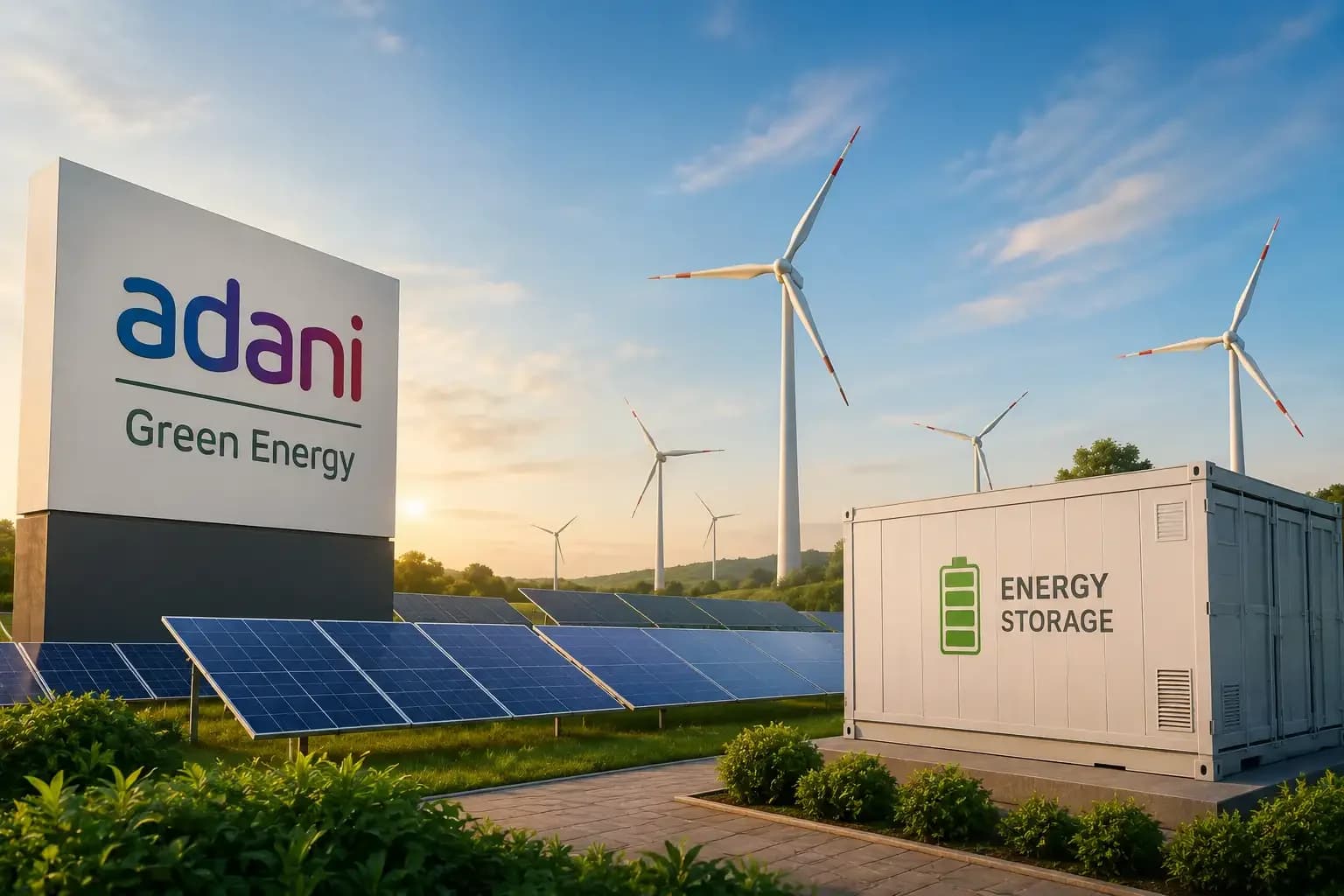
Adani Green Energy (AGEL) has operationalized a 139 MW solar power project at Khavda in Gujarat on September 1, 2026, taking its total operational renewable-energy capacity past the 20 GW mark. According to latest reports, the project was developed by Adani Green Energy Twenty Six A, a wholly owned step-down subsidiary of AGEL. Following the commissioning, AGEL's operational renewable generation capacity stands at 20,280.8 MW, while its operational battery energy storage system capacity stands at 3,551 MWh. The decision to commercially operationalize the plant was taken at 2:05 pm on September 1, 2026.
AGEL reported robust financial results for Q1 FY27, with consolidated net profit surging 19.30% year-on-year to ₹983 crore compared with ₹824 crore in Q1 FY26. The company's revenue from operations increased by 16.6% YoY to ₹4,431 crore, up from ₹3,800 crore in the year-ago period. At an operational level, EBITDA stood at ₹3,985 crore during the quarter, reflecting a 9.88% YoY increase from ₹3,042 crore in Q1 FY26. The EBITDA margin expanded significantly to 90% in Q1 FY27, from 80% in the same quarter of the previous fiscal year, demonstrating improved operational efficiency and profitability.
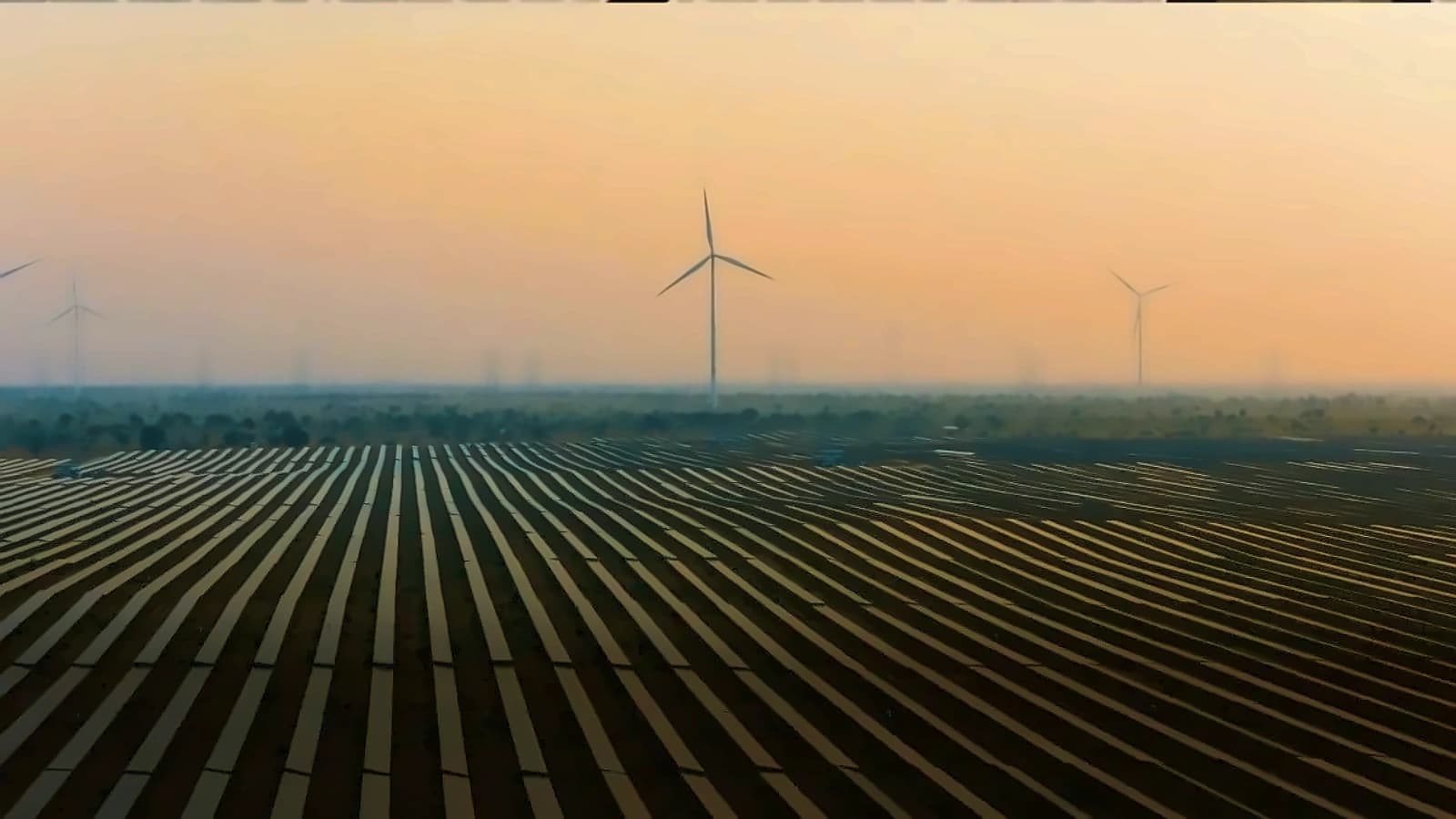
The latest commissioning is part of AGEL's massive renewable-energy build-out at Khavda in Gujarat's Kutch district. As reported by CNBC TV18, the company plans to develop 30 GW of renewable-energy capacity at the site by 2029, combining solar, wind and battery storage. Spread across 538 square kilometres of barren land, Khavda is being developed as one of the centrepieces of Adani Green's expansion. The Khavda region in Gujarat has been a focal point for utility-scale solar installations, and this project further consolidates AGEL's operational footprint in the area, reflecting continued capacity expansion across the company's renewable energy business.
According to the company's stock-exchange filing reported by CNBC TV18, AGEL crossed its first 1 GW of operational capacity at Khavda in March 2024. As of May 2026, it had also commissioned 3.37 GWh of battery storage at the site, which the company described as the largest single-location battery deployment outside China. The project benefits from solar irradiation of about 2,060 kWh per square metre and wind speeds of around eight metres per second. The project uses bifacial solar modules, horizontal single-axis trackers and waterless robotic cleaning systems, with AGEL also deploying 5.2 MW wind turbines at the site. The BESS capacity of 3,551 MWh complements the solar generation assets, supporting grid stability and energy storage alongside the expanded generation base.
Khavda is central to AGEL's broader goal of reaching 50 GW of operational renewable-energy capacity across India by 2030. As reported by CNBC TV18, the company added more than 5 GW of capacity in FY26, as it continues to scale up towards that target. The addition of 139 MW to the portfolio reflects continued capacity expansion across the company's renewable energy business, with the company's cumulative operational renewable energy capacity now standing at 20,280.8 MW. The filing didn't disclose the investment in the 139 MW project, details of any power-purchase agreement or its expected annual electricity generation.
According to latest market data, Adani Green Energy shares closed 4.12% higher at ₹1,265 per unit on the National Stock Exchange on Tuesday, September 1, amid a surge in Adani group stocks. The stock has gained 23% on a year-to-date basis and about 40% over the past six months, reflecting positive investor sentiment around the company's renewable energy expansion strategy. However, the scrip has lost 5% in the past week and more than 8% over the month. The company has a total market capitalisation of ₹2.08 lakh crore as of September 1, 2026, according to NSE data. The stock hit a 52-week high of ₹1,631.50 per equity share on June 14, 2026, while touching a year's low of ₹765 apiece on January 23, 2026.