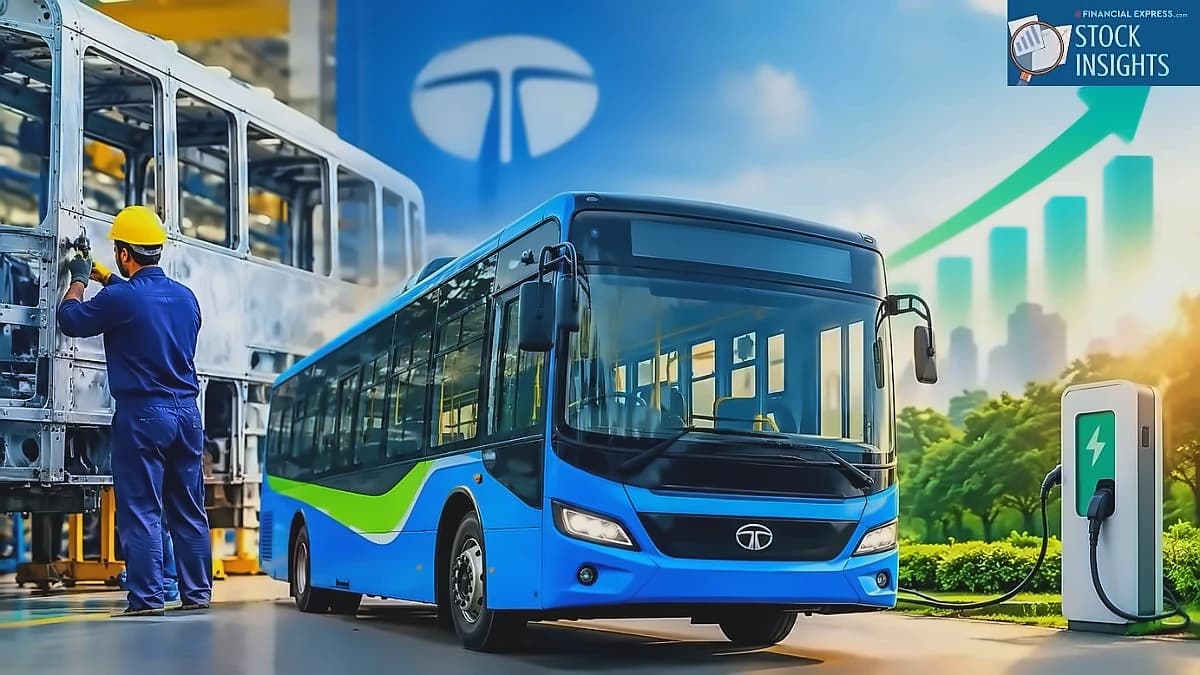
According to reports from The Financial Express, Automobile Corporation of Goa Ltd (ACGL) delivered exceptional financial results in FY26, with revenue growing 41% to ₹934 crore from ₹661 crore in FY25. The company achieved a record bus sales of 9,328 units, representing a significant increase from 7,265 units in FY25 and 6,511 units in FY24. Operating margins improved to around 9% in FY26 from 8% in FY25 and 7% in FY24, while profit after tax rose 49% to ₹70.07 crore. The company's return on capital employed (ROCE) increased to 30.84% from 20% in FY25 and 19% in FY24, demonstrating strong capital efficiency.
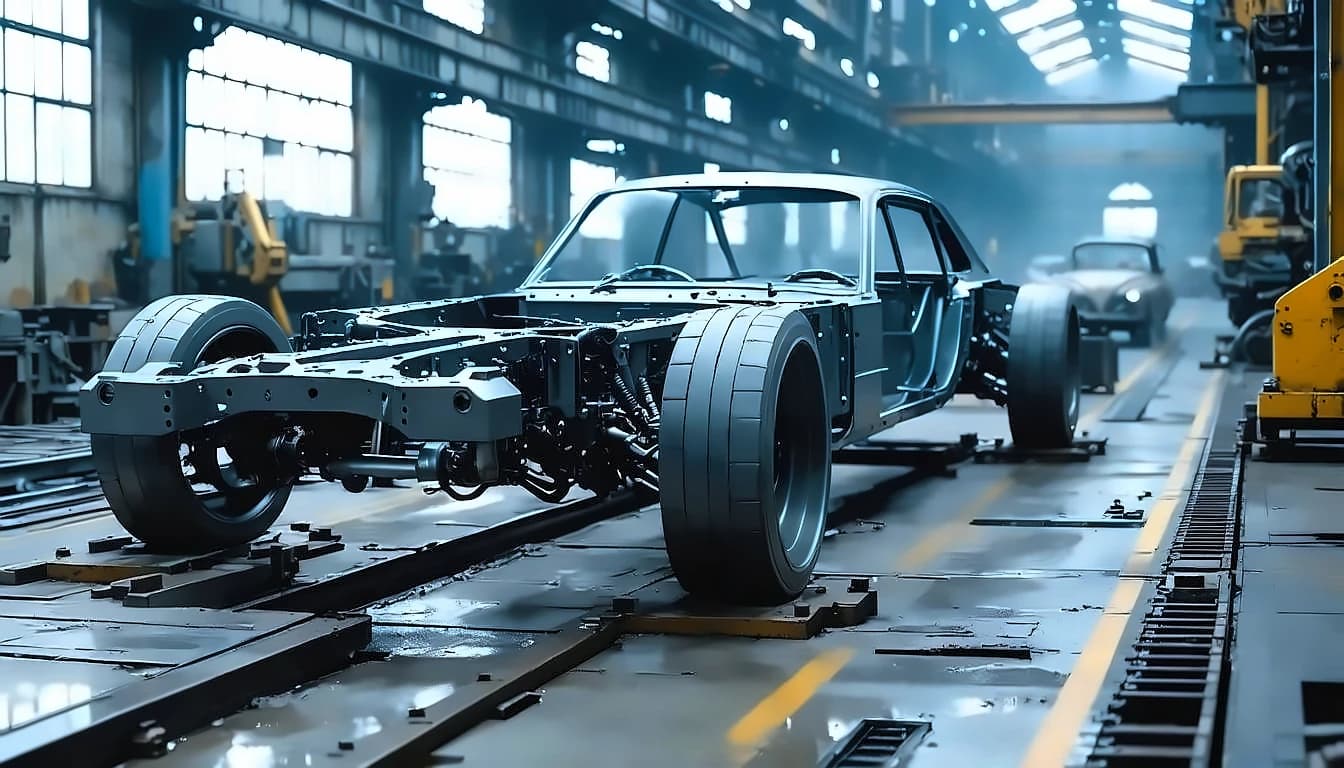
As reported by The Financial Express, ACGL has increased its installed manufacturing capacity to around 1,200 buses per month and management indicated that capacity utilization improved substantially in FY26. The company has strengthened its engineering and manufacturing capabilities for higher-tonnage vehicles and emerging electric mobility. Management attributed FY26 growth to higher production volumes, improved efficiency, and a favorable product mix, including higher-tonnage and institutional buses. The company sold 3,382 buses overseas in FY26, contributing to its diversified revenue base.
According to The Financial Express, ACGL is developing electric bus bodies and has initiated development of a 13.5-metre electric sleeper bus. The company is also working on electric vehicles and expanding its portfolio across school, staff and EV segments. Management has identified government spending on infrastructure and electric mobility as an opportunity for commercial vehicles and mass-transportation solutions. This electric bus development provides a potential backdoor entry into India's EV transition without requiring ACGL to become a pure-play electric vehicle manufacturer.
As reported by The Financial Express, ACGL demonstrated strong balance sheet management with borrowings falling from ₹85 crore to less than ₹9 crore in FY26, while the debt-equity ratio declined from 0.34 to 0.03. Working capital metrics improved significantly, with inventory turnover increasing from 12.56 times to 15.04 times and trade-receivables turnover rising from 6.26 times to 9.44 times. The company's net capital turnover improved from 3.31 times to 4.16 times, supporting the 30.84% ROCE achievement.
According to The Financial Express, key risks include Q1 FY27 margin contraction with operating margins declining to 5% from 11% compared to Q1 FY26, raising questions about the sustainability of FY26's exceptional performance. The company faces 88% revenue concentration from Tata Motors, which contributed ₹818 crore of FY26 revenue, while no other customer accounts for more than 10% of revenue. Additionally, multinational entry and export vulnerabilities pose competitive pressures, particularly as electric buses become more important. The stock currently trades at approximately 16.5 times earnings at ₹1,638, below its 52-week high of ₹2,403, with investors focusing on volume growth, margin recovery, and the transition to electric bus manufacturing.