Oil prices have surged past $100/barrel as fighting between the U.S. and Iran escalates, threatening to increase costs for consumers and businesses worldwide. Brent crude climbed into triple digits for the first time since July and settled at $101.21/barrel, while U.S. benchmark crude finished at $96.05/barrel after attacks on oil facilities and ships in the Middle East raised the risk of further disruptions. The Strait of Hormuz, where roughly a fifth of the world's oil supply passed before the conflict, has been largely halted, with prices fluctuating considerably over the last six months. Brent briefly reached nearly $120/barrel in early days of the war, before cooling to around $70/barrel in early summer, only to rise again as new attacks mounted and talks between the U.S. and Iran crumbled. S&P Global Energy now projects crude oil production in the Middle East will not return to prewar levels by the end of 2027, according to the latest reports.
US inflation accelerated to 3.4% in August compared with a year ago, with the consumer price index rising 0.4% month-over-month from July, quadrupling the 0.1% registered in the previous month. According to the Labor Department, gasoline prices jumped 3.9% just from July to August, leaving gas prices more than 27% higher than a year earlier. The nationwide average cost of a gallon of gas on Friday is 7% higher than a month ago at $4.30, with prices continuing to rise meaning inflation is likely worsening this month. Airline tickets rose 2.7% on a monthly basis and have soared more than 23% from a year earlier, while hotel room prices climbed 2.4% just from July to August and are 3.2% more expensive than a year ago. Core prices, excluding volatile food and energy categories, were 2.4% higher in August than a year ago, with monthly core prices rising 0.3% from July to August, the largest increase since April.
Diesel prices in the U.S. have soared past $6 a gallon on average, marking a new record as Washington's war with Iran disrupts global fuel flows. The national average of nearly $6.06 is up from $5.85 last week and almost $3.71 this time last year, according to motor club AAA. American diesel prices are now over 60% higher than they were before the U.S. and Israel attacked Iran in late February, when the national average sat at about $3.76 per gallon. The surge is particularly concerning for perishable foods like meat and produce, which face immediate transportation strains as they require frequent restocking. Fuel accounts for roughly 15% to 30% of the total cost of food, according to the Independent Grocers Alliance, with seafood prices up 7% and fresh fruit prices up 4.9% in July alone. President Trump stated that oil prices likely won't come down until after November's midterm elections, as reported by the Associated Press.
The West Asia war is driving up polyester, cotton, energy and freight costs, creating significant pressure on apparel manufacturers and potentially pushing clothing prices higher. According to reports from Business Standard, polyester prices have surged to a near four-year peak, while cotton has spiked to a two-year high amid supply concerns, fertilizer shortages and El Niño threats. Before the conflict, polyester traded at roughly half the price of cotton, but surging crude markets have dramatically altered this dynamic. Plummy Fashions, which supplies Inditex brands including Zara and Pull&Bear, saw polyester yarn prices jump by as much as a quarter within weeks of the war starting. The escalating oil crisis now threatens to push diesel prices up 87% and gasoline prices up 38% in countries like Indonesia, while Nigeria faces diesel prices more than 90% higher and gasoline prices up nearly 58%. Global Petrol Prices data shows diesel prices in Nigeria have surged over 90% since late February, followed by nearly 87% in Indonesia and 80% in Lebanon.
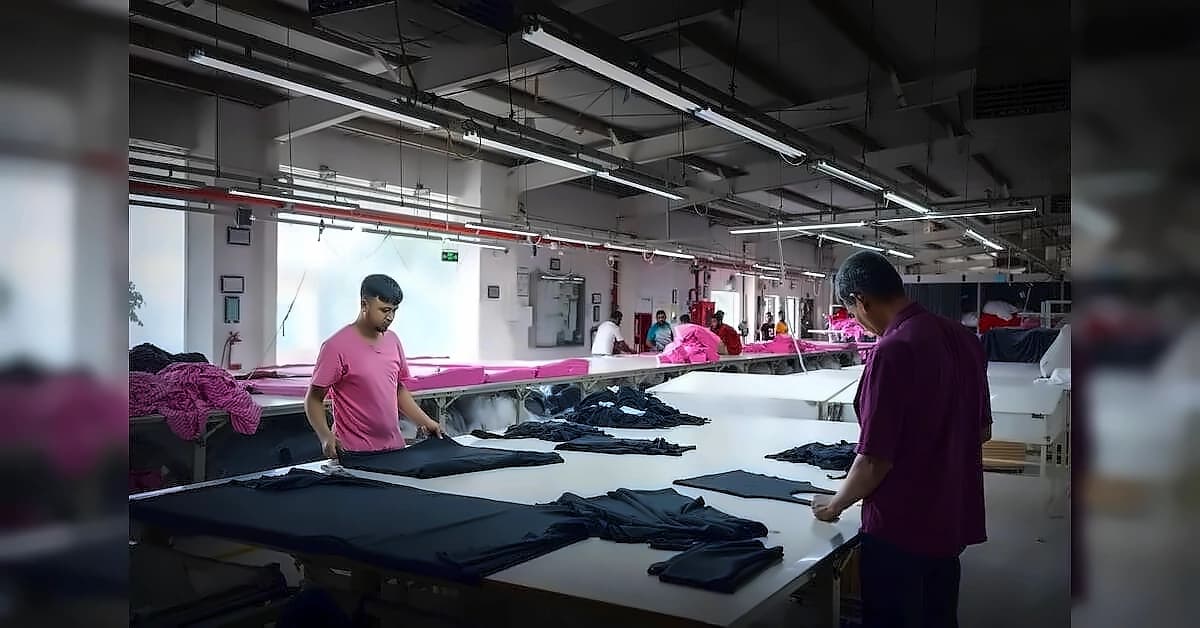
The cost pressures are creating significant strain on apparel manufacturers' profitability. As reported by Business Standard, raw materials account for roughly 60% of the cost of a basic T-shirt, while factory margins typically average just 2% to 3%. Plummy Fashions Managing Director Fazlul Hoque noted that the company is absorbing extra expenses rather than passing them on to buyers, stating they have 'absolutely no leverage' in the current environment. The company has already seen revenue fall, with Hoque expecting no change until the war winds down and prices normalize. Higher energy costs are now adding to transportation and production expenses, with tractor-trailers and airplanes that move parcels between distribution hubs also facing increased fuel costs that may be passed on to consumers through added fees for online orders and mailed packages.
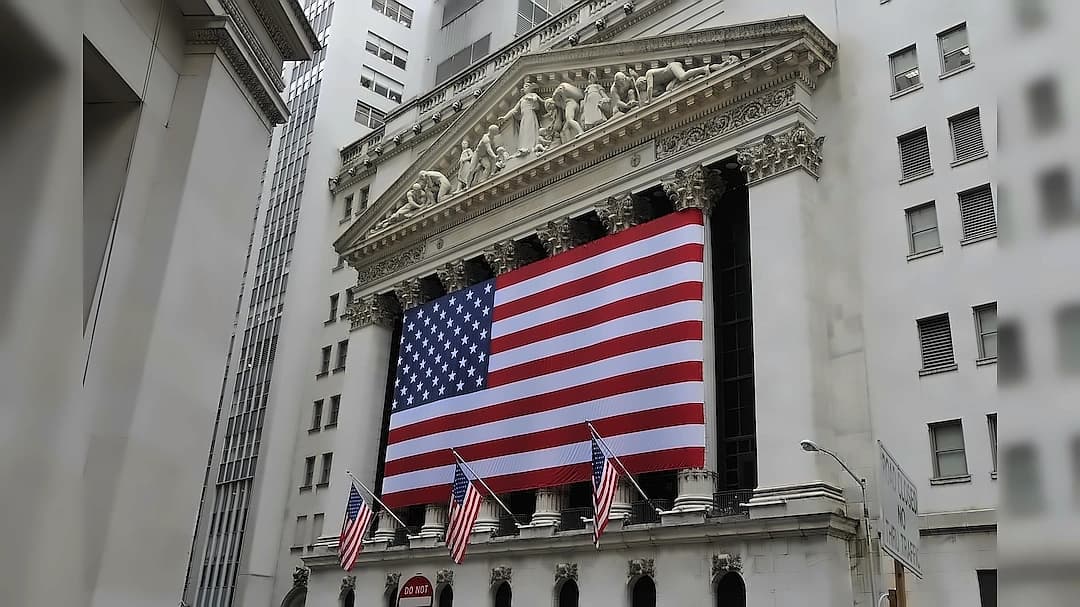
The escalating inflation pressures are increasing pressure on the Federal Reserve to raise interest rates. Wall Street investors now see a more than 80% chance that the Fed will increase rates at its September 15-16 meeting, according to Bloomberg, representing a 10-point jump from Thursday. Fed Chair Kevin Warsh suggested he was leaning toward a rate hike in a two weeks ago, but has not committed to doing so at a specific time. The Fed left its key rate unchanged at its last policy meeting in late July, but three officials voted in favor of hiking by a quarter point, which would have increased it to about 3.9% from 3.6%. The yield on the 10-year Treasury traded at a still-elevated 4.9% Friday, with Treasury Secretary Scott Bessent stepping up buybacks of Treasury bonds to keep longer-term interest rates lower. President Trump is seeking to counter voter concerns about high prices and rising interest rates, offering $1,000 to every American adult if the GOP keeps a majority in Congress, though this would require congressional approval and could stoke inflation.
The cost increases are expected to reach consumers in the coming months, with retailers warning that higher costs could hit store shelves next spring and summer. According to Business Standard, brands are considering reducing fabric weights, simplifying designs, changing material blends or removing product features to offset higher production costs. The timing is particularly concerning as consumers are already struggling with rising grocery and energy bills. Industry experts note that every cent matters in the competitive retail environment, with Cotton Incorporated's chief economist Jon Devine stating that consumers may not notice cotton price changes but retailers will because every cent can be helpful or hurtful to margins. The escalating oil crisis now threatens to increase costs for everything from producing and transporting food, medicines and household goods to daily commutes and air travel, with experts warning that a prolonged period of steep prices would worsen the economic fallout.