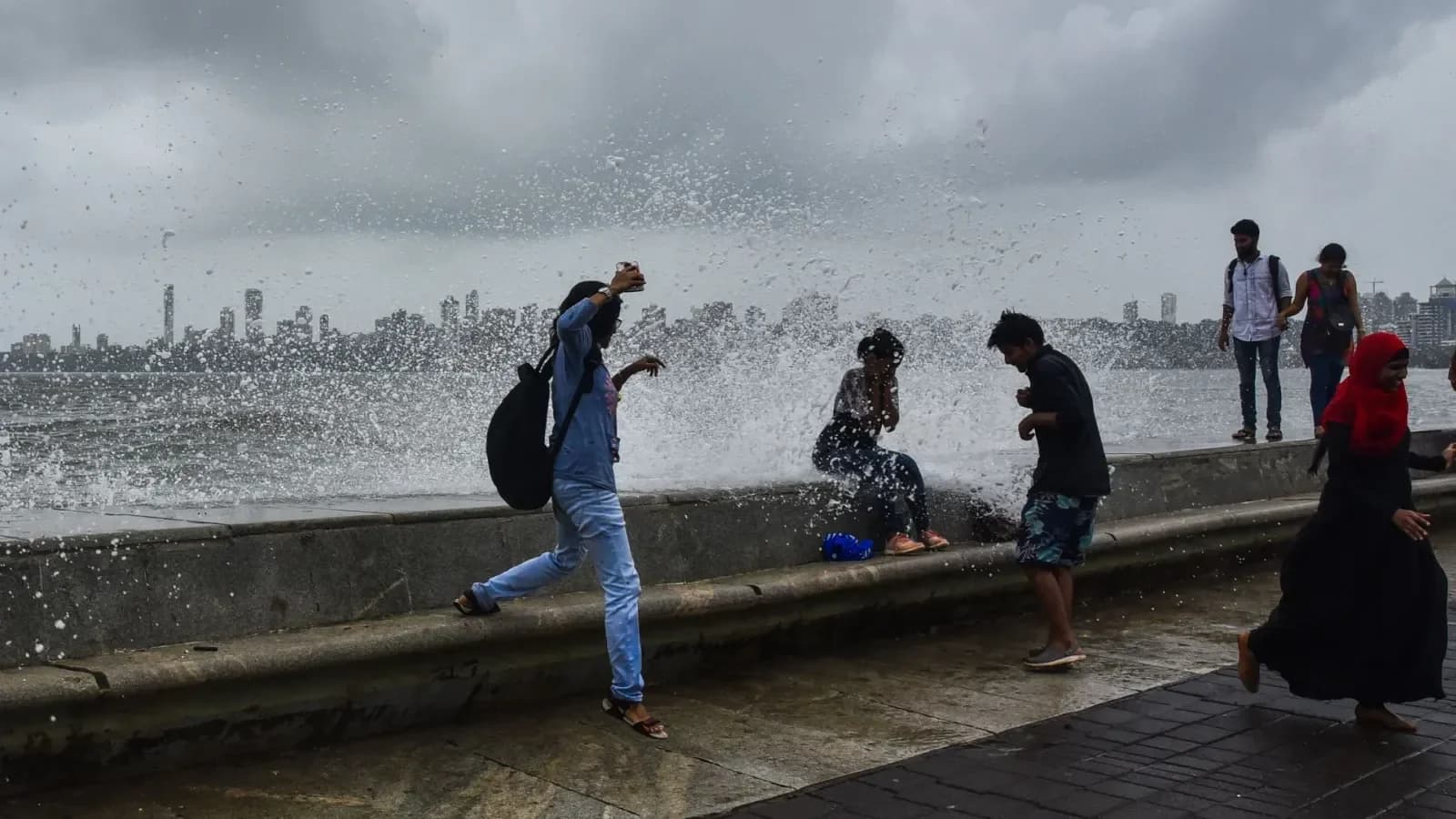
The National Commodity and Derivatives Exchange (NCDEX) has introduced a new derivative contract for Mumbai rains (RAINMUMBAI), which is now actively traded on the NCDEX platform. According to reports from Upstox, the contract is calculated on the basis of daily rainfall in Mumbai and its deviation from the long-term average. The futures contract is cash settled based on the cumulative deviation rainfall (CDR), compiled using official Indian meteorological data for Mumbai rains.
India's southwest monsoon has stalled after reaching Kerala, leaving the country with a rainfall deficit of 32% as of June 15, according to India's Meteorological Department. The shortfall is most severe in central India (63%) and eastern and northeastern regions (43%), while the monsoon has yet to reach Mumbai, more than a week after its normal arrival date. The India Meteorological Department recently lowered its cumulative rainfall estimate for the June-September monsoon season to 90% of the long-term average, down from a forecast of 92% issued in April. The delay comes amid growing concerns over a developing El Niño, which typically weakens monsoon rains.

As reported by Upstox, the daily deviation is calculated by comparing daily rainfall with the long-period average (LPA) during the monsoon season from June to September. The traded rainfall of CDR is calculated using rain data that is daily at 9:00 am for the past 24 hours. Futures contracts trade on NCDEX with an expiry on the last business day of the month. Each contract is traded in a multiplier of ₹50 per mm.
According to the analysis from Upstox, farmers can benefit from the monsoon delay by hedging losses through rain futures trading. The report notes that monsoon is the only driver for the majority of water for non-irrigated land in India, and a delay prompts farmers to shift to small crops providing lower yields. Banks and NBFCs with high exposure to agriculture credit can minimize provisioning for NPAs during drought periods. Construction firms face restrictions during water crises, leading to project delays and increased costs, which can be offset through hedging. The Centre has placed 150-200 districts under close monitoring and asked states to prepare crop contingency plans, warning that a weak monsoon could increase food inflation and pressure agricultural output.
According to the analysis from Upstox, power generation companies can benefit from the weather derivative contracts. Hydroelectric companies that make excess units during surplus rainfall can create opposite positions to benefit during surplus rainfall periods. This mechanism allows these companies to hedge against the losses they face when excess supply units lead to losses during periods of surplus rainfall.