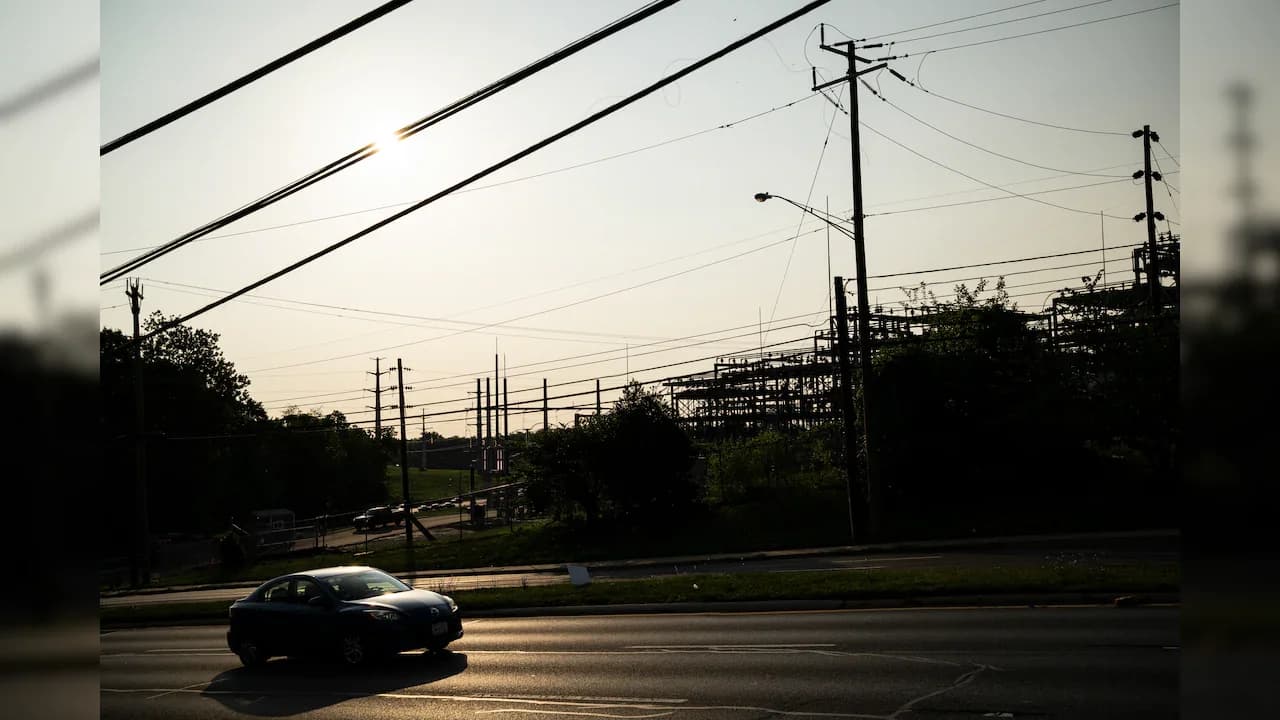
US natural gas futures ended higher as intense and long-lasting heat in Texas pushed consumers to crank up their air-conditioners, putting pressure on gas-fired power generators and the electricity grid. According to reports from The Hindu BusinessLine, futures for September delivery settled +8.6 cents, or +3.2%, to $2.776 per mmbtu on Nymex. The price surge reflects the market's response to increased demand for natural gas-powered electricity generation during the heat wave, with futures reacting quickly to weather forecasts as they tend to do when air conditioners run longer and gas plants work harder. Latest developments show that tightening supply and robust near-term power demand helped natural gas futures edge higher intraday on Tuesday, erasing the previous session's losses.
High temperatures in Houston from August 20-23 are expected to average 100F (38C), up by 5F from the seasonal norm, according to commercial forecaster AccuWeather. As reported by The Hindu BusinessLine, peak load on the Electric Reliability Council of Texas power grid could set a new record this week driven by high temperatures, particularly as wind generation subsides. Eli Rubin, senior energy analyst at EBW Analytics Group, noted in a client note that the heat wave is creating significant strain on the electricity infrastructure, with the forecast expected to stick around for several days giving the grid no time to catch its breath. The late summer heat is keeping natural gas futures afloat as the market anticipates continued demand pressure from extended hot weather conditions.
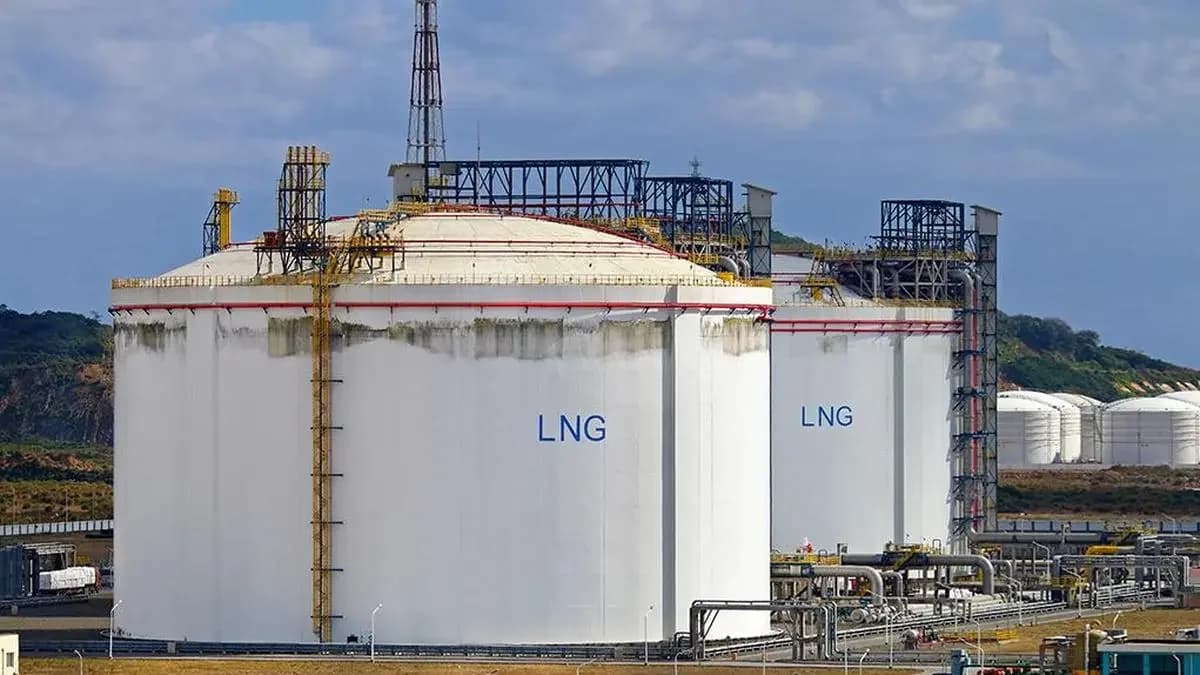
According to Daily BNEF Gas Data reported by The Hindu BusinessLine, lower-48 dry gas production on Tuesday reached ~112.5 bcf/day, or +2.6% year-over-year. Lower-48 total gas demand on Tuesday was ~83.3 bcf/day, or +2.8% year-over-year. Dry gas exports to Mexico on Tuesday were ~8.0 bcf/day, or -4% week-over-week. Estimated gas flows to LNG export terminals on Tuesday were ~17.7 bcf/day, or +2.2% week-over-week.
The combination of extreme heat and reduced wind generation is creating unprecedented strain on Texas's power infrastructure. As reported by The Hindu BusinessLine, wind generation will likely drop just as the heat peaks, with turbines producing less power when wind slows. This means gas-fired plants must cover the difference at exactly the moment the grid needs it most, as gas is often the fuel that fills in when renewable power fades. Rubin also noted that the state's grid could set a record for peak demand this week, with the heat and weak wind pushing electricity use higher than ever before, straining gas-fired plants and the grid itself. The tightening supply conditions and heightened power demand continue to support natural gas prices as the market navigates through the extended heat wave period.