The Indian Sugar and Bio-Energy Manufacturers Association (ISMA) and the National Federation of Cooperative Sugar Factories (NFCSF) have jointly proposed establishing a ₹87.94-crore Centre of Excellence (CoE) at ICAR-Sugarcane Breeding Institute (SBI), Coimbatore. According to reports from Business Standard, the associations submitted a joint letter to Union Agriculture Minister Shivraj Singh Chouhan requesting the dedicated facility for advanced sugarcane research. The proposed centre would focus on next-generation sugarcane breeding technologies, including genome editing, climate-resilient varieties and modern seed systems to address mounting sector challenges. The facility is proposed to commence operations from financial year 2027 (FY27) with an estimated outlay of ₹87.94 crore over the next five years, as reported by sources familiar with the proposal.
As reported by Business Standard, the proposed facility would leverage advanced technologies such as genome sequencing and editing, phenomics, high-throughput breeding, bioinformatics and precision seed systems. A senior scientist associated with the project explained that red rot disease is the most prevalent problem in sugarcane crops today, leading to declining or stagnant yields. The scientist noted that unlike conventional breeding technologies, genome editing could make the crop inherently resistant to red rot disease, addressing a critical production challenge. The proposed centre would specifically focus on next-generation sugarcane breeding technologies to develop climate-resilient and disease-resistant varieties using cutting-edge genetic engineering approaches.
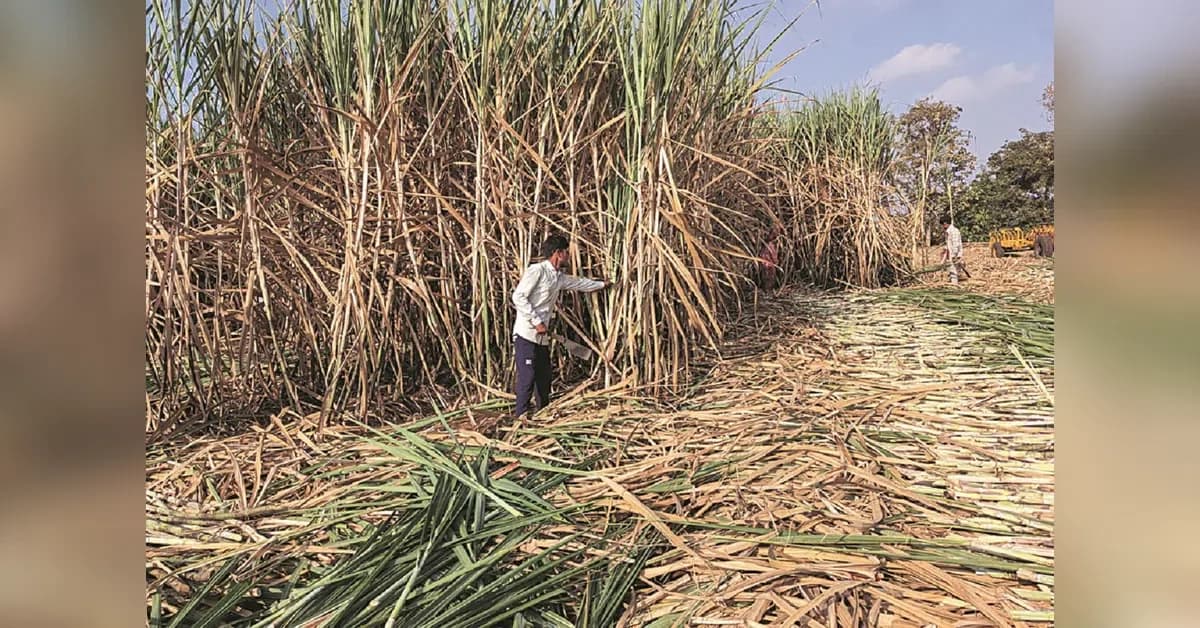
According to Business Standard, India's sugarcane yields have stagnated at around 80-83 tonnes per hectare, while demand has been growing due to diversion towards ethanol production. The move comes against the backdrop of increasing climate variability, erratic rainfall, rising cultivation costs, pest and disease pressures, and stagnant yields, all of which have affected cane productivity and farmer profitability. The associations noted that dependence on a limited number of sugarcane varieties has also heightened vulnerability to diseases and reduced resilience across major cane-growing regions.
As reported by Business Standard, the proposed Centre of Excellence is envisaged as a national platform to accelerate the development and dissemination of high-yielding, water-efficient and disease-tolerant sugarcane varieties. The initiative is expected to directly benefit around 55 million sugarcane farmers by improving productivity, reducing climate- and disease-related production risks, enhancing resource-use efficiency and stabilising farm incomes. The industry believes the intervention would strengthen the long-term sustainability and competitiveness of India's sugar and bio-energy ecosystem while contributing to broader national goals of agricultural resilience and rural development.