
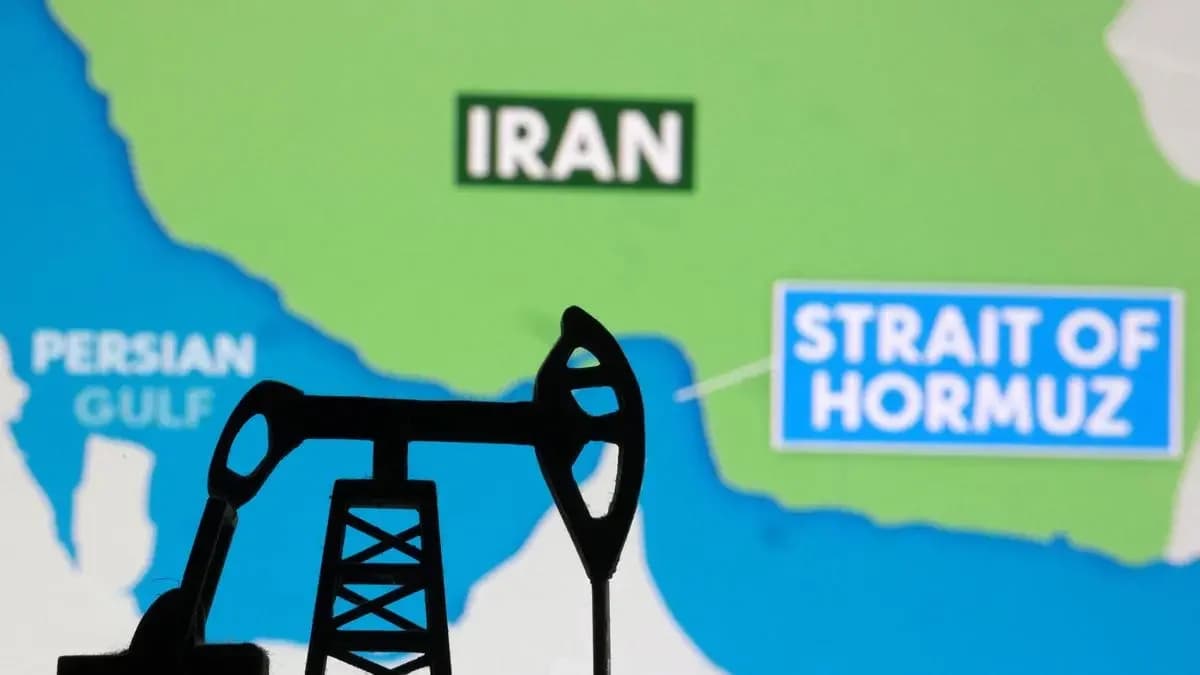
The joint US-Israel offensive on Iran has significantly heightened fears of disruption in petroleum coke shipments from the Persian Gulf to India, according to Kpler, a global data and analytics provider. India sits as the largest single destination for Gulf pet coke, particularly fuel grade coke, with the country absorbing the majority of the 400,000–600,000 tonnes that flow through the Strait of Hormuz monthly during normal periods. The increased geopolitical risk has raised concerns for pet coke flows, with the market now pricing higher freight risk and lack of insurance for vessels transiting the world's most critical energy choke point. Recent developments show that vessel operators in the strait of Hormuz have been brought to a halt by US-Israeli attacks, effectively restricting east coast Saudi Arabian export flows and tightening supply on the US Gulf coast where PX demand remains relatively strong.
Ship traffic through the Strait of Hormuz has experienced a dramatic collapse since the conflict began, with traffic falling 94% from 50 tankers on 28 February to just three on 1 March, according to the Joint Maritime Information Center (JMIC). Cargo ship transits also plunged to 18 vessels from 98 over the same period, compared to the historical daily average of about 138 ships. The last vessel to transit on 28 February was the VLCC KHK Empress, which made a sudden U-turn and retreated back through Hormuz at speeds of up to 16.7 knots, while the Dynacom-owned Suezmax Pola was last signalled east of Hormuz before reappearing off Dubai after its passage through the strait. For safety reasons, some ships may be transiting without broadcasting their AIS signal, meaning actual traffic may be higher than reported.
The Iran war has created a severe LPG supply crunch for India, with India may only have up to 10 days of LPG stocks to cover demand as the conflict has effectively dried up exports from the Mideast Gulf region. India imported 23.3mn t of LPG in 2025, up by 8.4% from 2024, while domestic production was around 12.8mn t in fiscal year 2023-24, according to Kpler data. Every country in southeast Asia as well as India are looking for evenly split ratio cargoes, as exports via the strait of Hormuz have effectively stopped. In June last year, fears of supply disruption following the 12-day conflict between Israel and Iran prompted India's top importers to diversify their supply sources, cutting imports from the Mideast Gulf to around 70% currently from around 99% in 2024. India signed term contracts to buy 2.2mn t of US LPG this year, which accounts for around 10% of the country's LPG import needs, but the bulk of its supply from the Mideast Gulf is at risk and alternative sources are unlikely to be found immediately.
Indian cement producers face significant exposure to pet coke supply disruptions, as reported by Kpler. India consumed around 20.32 million tonnes of petroleum coke in FY24, which rose to 22.06 mt in FY25, with consumption during April-January FY26 standing at 16.85 mt. The country imported almost half of its requirement, with imports at 10.96 mt, 13.15 mt and almost 10 mt during FY24, FY25 and 10M FY26, respectively. A prolonged supply disruption exceeding a few weeks would force either a switch to domestic or imported coal or a sourcing pivot to US Gulf pet coke, which will come with a price premium. The disruption would reduce effective supply to Asia and force buyers into the spot market, with current price spreads limiting additional switching capacity.
The disruption would reduce effective supply to Asia and force buyers into the spot market, as explained by Kpler. Saudi Arabia, the UAE and Oman export most of their pet coke production to Asia, with China and India taking the largest share. Coal markets would absorb part of the impact, but lower pet coke availability from the Gulf would increase competition for alternative solid fuels, particularly US pet coke and thermal coal from the US, Indonesia, and Australia. Indian and Chinese buyers would lead emerging demand given their exposure to Middle Eastern supply, though current price spreads limit additional switching capacity. The situation is compounded by shipping disruptions across Middle East sea lanes, with some containership owners announcing emergency conflict surcharges and rerouting vessels around the Cape of Good Hope, creating additional logistical challenges for alternative supply chains.
The Indian cement sector runs on thin margins, making it particularly vulnerable to freight or availability shocks that feed through to cement production costs rapidly, according to Kpler. Pet coke output around the Persian Gulf region is reserved for two distinct streams - fuel grade and anode-grade supply typically sought by cement and aluminium industries respectively. Producers cannot defer shipments for extended periods, as refineries need to clear pet coke stocks to maintain operating rates, potentially forcing buyers into the spot market. The current disruption has created additional cost pressures through higher freight and insurance costs that could further lift delivered spot prices, while capacity tightness remains visible on short-notice shipments to South America's east coast despite cost surges. Oil marketing companies such as Bharat Petroleum Corporation, Hindustan Petroleum Corporation, and Indian Oil Corporation have lost between 4.8% and 5.5% in recent trading sessions, reflecting broader market concerns about energy supply disruptions.