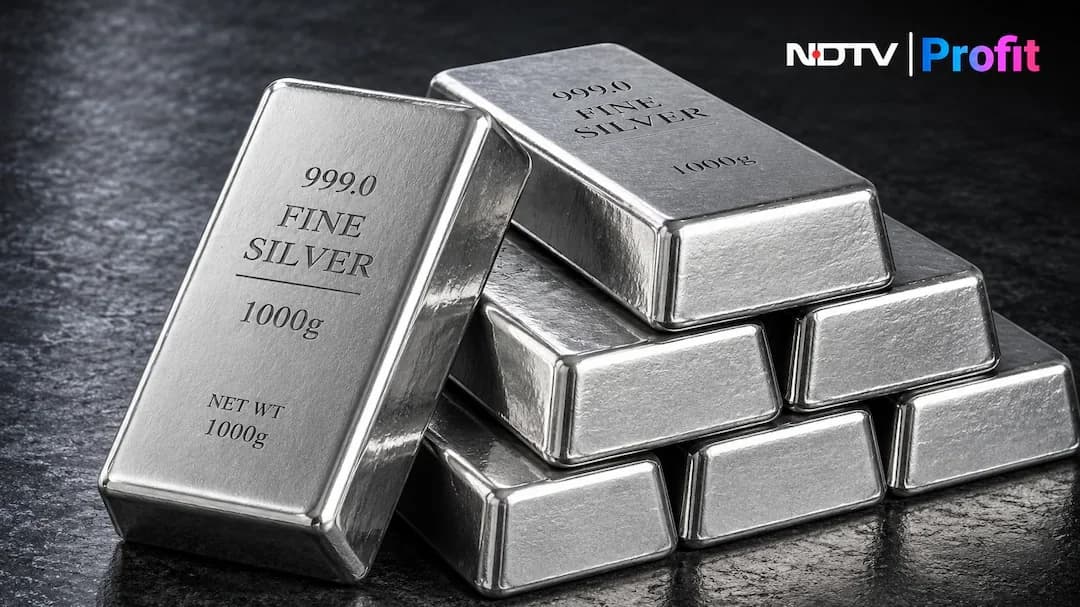
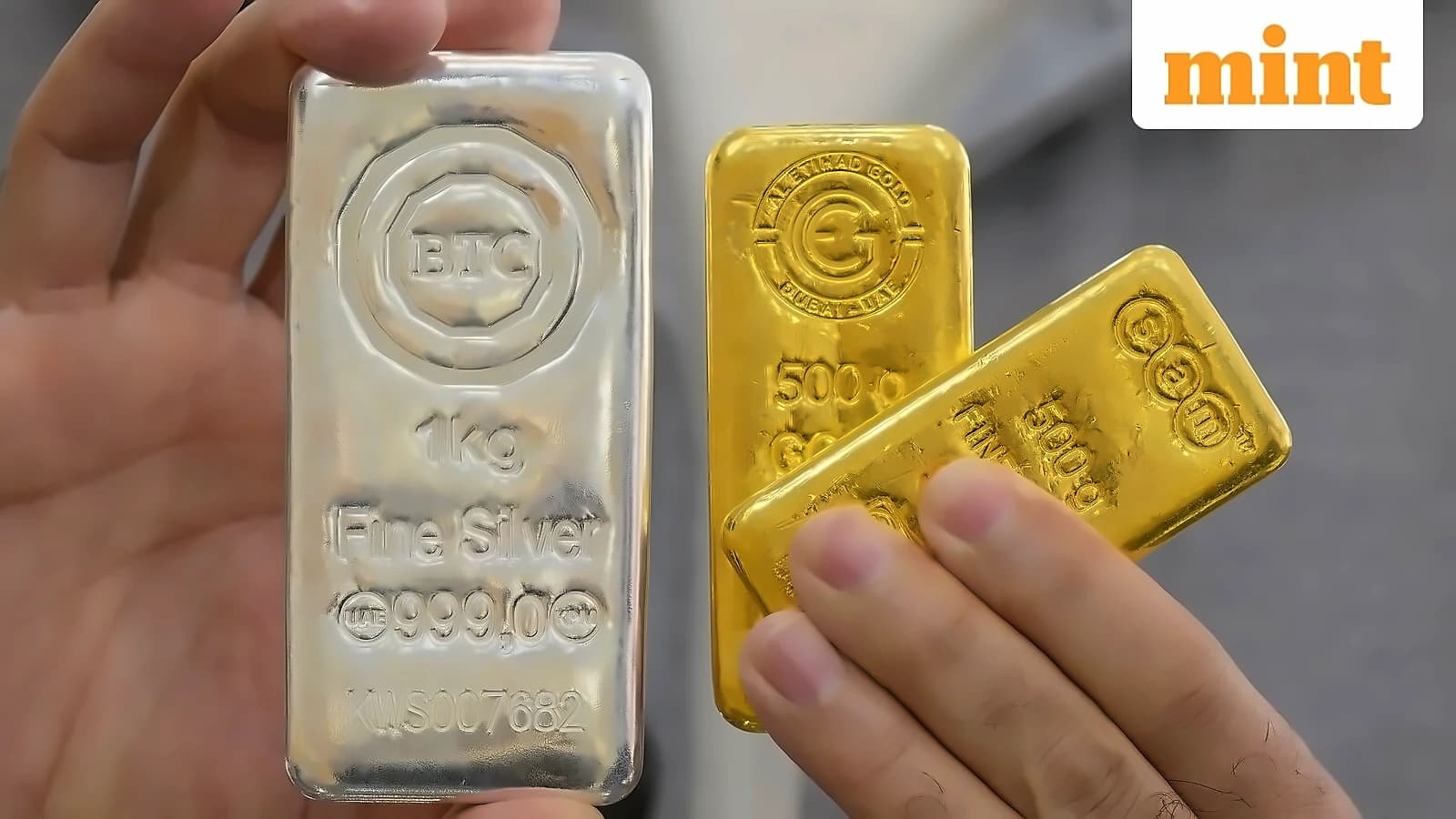
Silver prices in India fell 0.5% to ₹2,75,221 per kg on Tuesday, while gold rose 0.5% to ₹1,59,899, according to latest market data. Internationally, spot silver dropped 0.3% to $77.58 per ounce. The precious metals market found support from a weaker US dollar and declining oil prices amid eased US-Iran tensions. As per LiveMint, the possibility of a ceasefire or diplomatic breakthrough between the US and Iran helped ease some inflation concerns that had recently pressured bullion markets, strengthening expectations that interest rates may not remain elevated for an extended period.
US President Donald Trump announced on Monday that he had paused a planned attack against Iran after Tehran sent a fresh peace proposal to Washington aimed at ending the ongoing US-Israeli conflict. According to LiveMint, leaders from Qatar, Saudi Arabia and the United Arab Emirates urged the US to postpone military action as they believed a diplomatic agreement with Iran could still be achieved. However, reports also indicated that the White House viewed Iran's latest proposal, delivered through Pakistani mediators, as lacking significant improvement. Despite the temporary easing in geopolitical tensions, Treasury yields continued hovering near multi-year highs as energy prices remained elevated overall, keeping broader inflation concerns alive.
Gold and silver prices opened sharply lower on MCX amid escalating Middle East tensions that drove crude oil prices higher and fueled inflation concerns. As reported by ET Now, gold for June 2026 delivery fell ₹1,000 to ₹1,57,547 per 10 grams, while silver for July 2026 delivery dipped ₹5,643 to ₹2,66,243 per kg. The latest developments show gold prices have now slipped to six-week lows as Middle East conflict continues to drag on safe-haven demand. Investors are now awaiting developments on U.S.-Iran relations and the Federal Reserve's upcoming policy minutes, as bullion markets remain volatile with support and resistance levels under close watch.
India has shifted silver imports from free to restricted status, adding another layer of volatility to global silver markets. As reported by Aadhya Juneja, this policy change comes as silver prices face significant pressure from multiple factors including geopolitical tensions and supply chain disruptions. The restriction on silver imports represents a significant shift in India's approach to precious metals trade, potentially impacting global supply dynamics and price discovery mechanisms. The move comes at a time when silver markets are already experiencing heightened volatility due to escalating Middle East tensions and broader geopolitical uncertainties.
According to Kotak Neo analysis, the immediate support for MCX Silver July futures is placed at ₹2,91,423, followed by ₹2,88,460 and ₹2,78,867. Resistance levels are seen at ₹3,01,017, ₹3,03,980 and ₹3,13,573. In the international market, spot silver support is placed at $85.24 per ounce, followed by $84.28 and $81.18, while resistance levels are pegged at $88.35, $89.31 and $92.41. With the latest price correction and ongoing Middle East tensions, these technical levels remain crucial for market direction as investors navigate the current volatility.