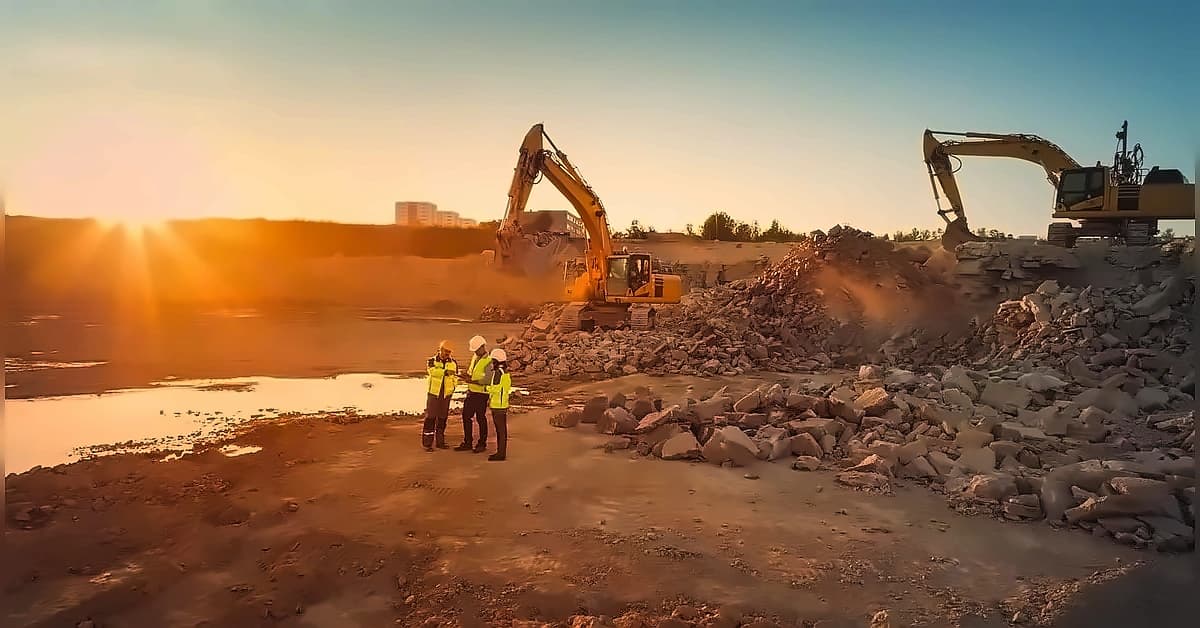
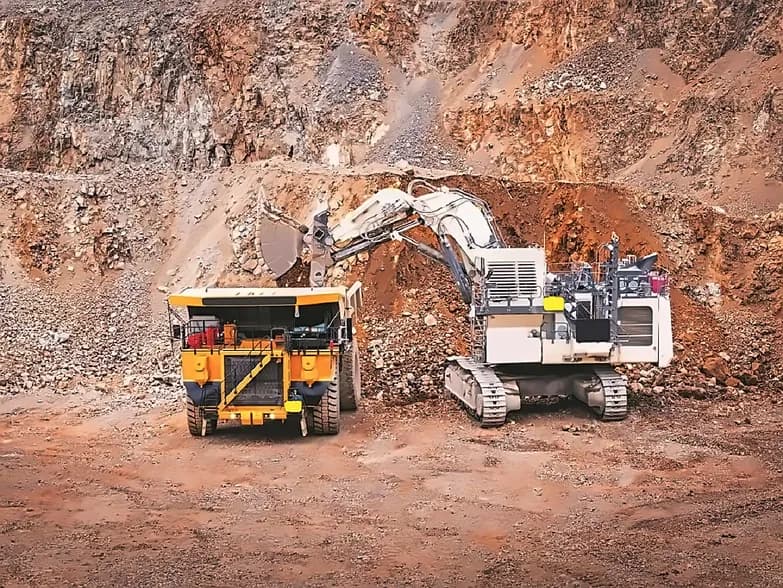
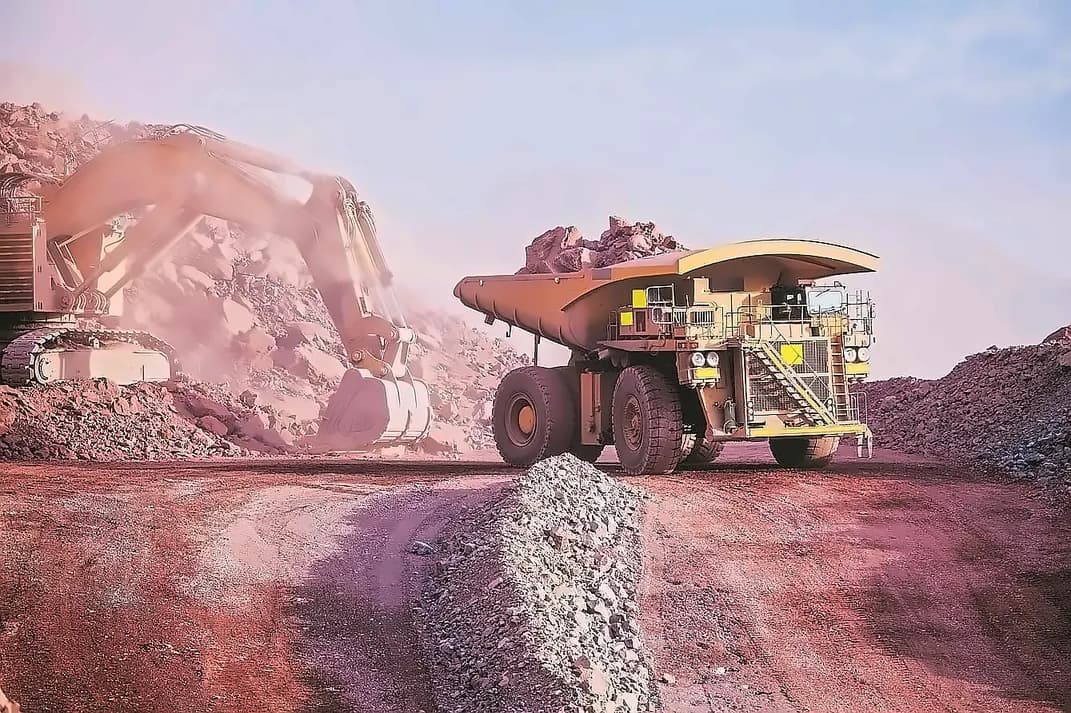
The Rajasthan government is planning to relaunch the allocation of small limestone mining leases, which were discontinued about a decade ago, according to a source in the mining department. The allocation of small leases was halted after limestone was classified as a major mineral, shifting the focus to auctioning large blocks of chemical-grade limestone to cement companies. In 2025, the Ministry of Mines notified limestone as a major mineral in its entirety, earlier classified as either a major or minor mineral depending on its end use.
The policy shift created a severe raw material shortage for small and medium-scale units producing quicklime and hydrated lime. The proposed move is expected to provide relief to more than 2,000 limestone-based units grappling with the shortage, as reported by the official. The state government has directed the mining department to prepare, from the start of the new financial year on April 1, a comprehensive timeline covering every stage of the process — from exploration, drilling and chemical analysis to preparing blocks for auction, with specific milestones set for each task.
Around 80-85 per cent of India's limestone reserves are cement grade and are found across several states, while only about 1 per cent is high-quality chemical-grade limestone, of which 85-90 per cent is concentrated in Rajasthan's Jaisalmer, Nagaur, Jodhpur and Pali districts. The Department of Mines and Geology had previously auctioned limestone blocks in these districts, but each block spanned around 10 km, effectively limiting participation to large cement companies. Farmers and small-scale miners in Pali, Jodhpur and Nagaur have demanded the issuance of small mining leases to benefit local communities and generate employment.
Rajasthan contributes an estimated 17-20 per cent of India's limestone production and mining was among the state's highest revenue-generating sectors in FY25. Under its 2024 mining policy, the government aims to increase the sector's contribution to the state's gross domestic product from 3.4 per cent to 5 per cent by FY30 and 6-8 per cent by FY47. The state not only has abundant mineral wealth but also significant reserves of major minerals including rare earth elements, gold, lead-zinc, silver, limestone, lignite, copper and base metals, along with vast reserves of minor minerals.