Platinum demand for vehicle production in India increased by 1% in the first quarter of 2026 compared with the same period a year ago, according to the World Platinum Investment Council (WPIC) Q1 2026 report. Indian vehicle production is heavily biased toward pickups and SUVs, which naturally require higher platinum group metal (PGM) loadings to meet emissions standards. The projections for the whole of 2026 are 2% increase, buoyed by the revised Goods and Services Tax (GST 2.0) framework that reduced taxes on eligible light-duty vehicles from 28% to 18%, stimulating production of pure internal combustion engine (ICE) and hybrid vehicles.
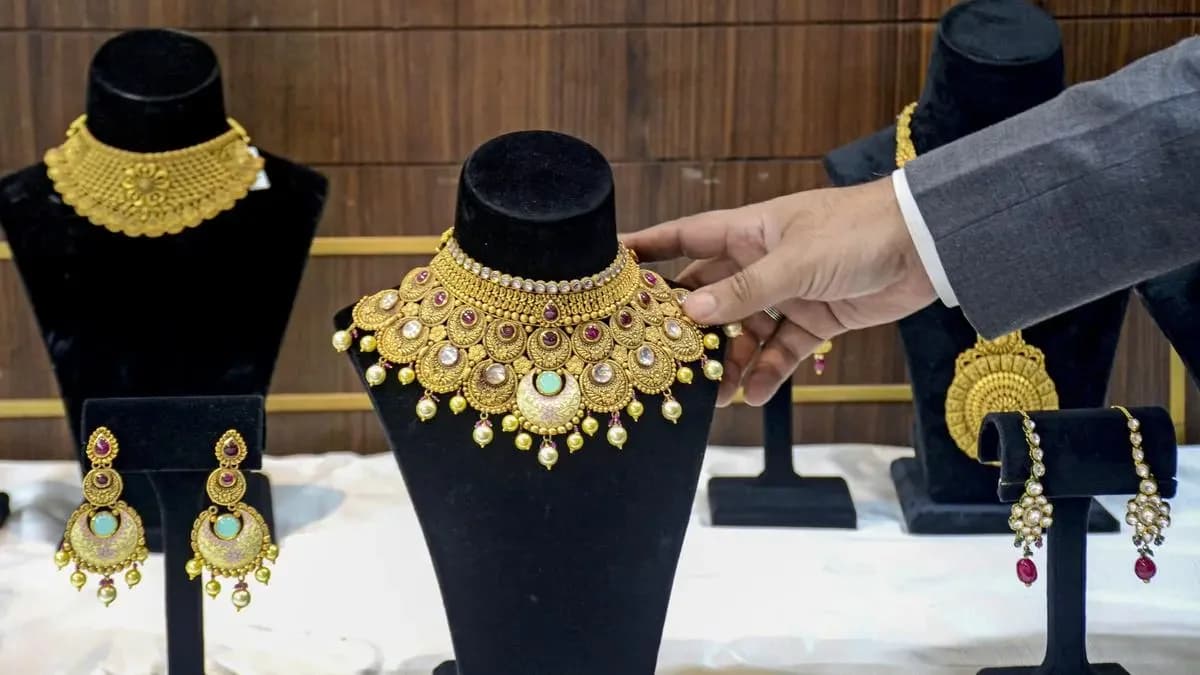
Demand for platinum jewellery fabrication fell by 15% year-on-year to 45,000 ounces, marking the lowest level since the third quarter of 2023, as reported by the WPIC Q1 2026 report. Slack exports, depreciation of the Indian rupee, offsetting corrections in global market and disruptions due to the Iran war, which consequently led to a hike in insurance premiums, affected jewellery demand. Despite the 15% drop in Q1 demand, the WPIC report projected a 5% increase in jewellery fabrication demand for the year, driven by store expansions by corporate retailers and increasing consumer awareness. However, recent developments show that gold prices remain elevated, and India's increase in gold import duty to 15% is putting additional pressure on traditional jewellery demand, with heavy bridal jewellery becoming increasingly unaffordable for many consumers.

The WPIC report has not taken into account the hike in import duty to 15.4% last week, which doubled the previous rate. The doubling of the duty is expected to raise the cost of emission-control systems used in cleaner internal combustion vehicles. The biggest impact will likely be on diesel SUVs and strong hybrid cars that use higher quantities of the metal in their catalytic converters. However, the report still projects India as a bright spot for platinum demand, which is expected to be resilient and witness growth across automotive and jewellery sectors. Meanwhile, the 15% import duty on gold is creating a shift in consumer preferences, with retailers reporting that demand for lightweight and 9K jewellery is on the rise as heavy bridal jewellery becomes increasingly unaffordable.
The latest developments in the precious metals market show a clear trend toward lightweight and 9K jewellery as consumers seek more affordable alternatives to traditional heavy bridal jewellery. Industry reports indicate that retailers are adapting their product offerings to meet changing consumer demand patterns. While platinum demand remains resilient with 1% growth in Q1 2026, the broader precious metals landscape is experiencing pressure from import duty increases across multiple categories. The WPIC expects the global platinum market to be in deficit to the tune of 297,000 ounces in 2026, marking the fourth year in a row of deficit due to supply shortfall, with global platinum demand forecast to decrease by 9% year-on-year to 7,674,000 ounces this year.