Pakistan has pledged to enhance security measures for the largest Chinese-operated copper and gold mine following warnings from the operator about potentially halting production. State Minister for the Interior, Talal Chaudhry, has mandated provincial authorities and security agencies to increase deployments to safeguard installations, personnel, and logistical operations. The minister emphasized that protecting international company projects is a top priority, ensuring cargo shipments to the site receive additional security coverage.
A Chinese-operated copper and gold mine in Pakistan has issued a stark warning to the government about potential operations shutdown. According to a Financial Times report, the Managing Director of Saindak Metals Limited (SML) wrote to Pakistan's energy minister stating that production could halt within a month if security conditions continue to deteriorate. The letter, dated June 29, warned that uninterrupted operation of the Saindak Copper-Gold Project may become unsustainable due to non-availability of essential production materials and logistical support.
The Saindak mine represents Pakistan's largest Chinese-operated copper and gold facility, jointly operated by China's state-owned Metallurgical Corporation of China (MCC) and Pakistan's state-owned SML since 2001. As reported by the Financial Times, almost the entire output of the mine is shipped to China and constitutes a substantial portion of Pakistan's approximately ₹6,250 crore ($750 million) in copper product exports last year. The mine's strategic importance is further highlighted by its location in the restive province of Balochistan, where insurgent groups have been targeting infrastructure linked to the China-Pakistan Economic Corridor (CPEC).
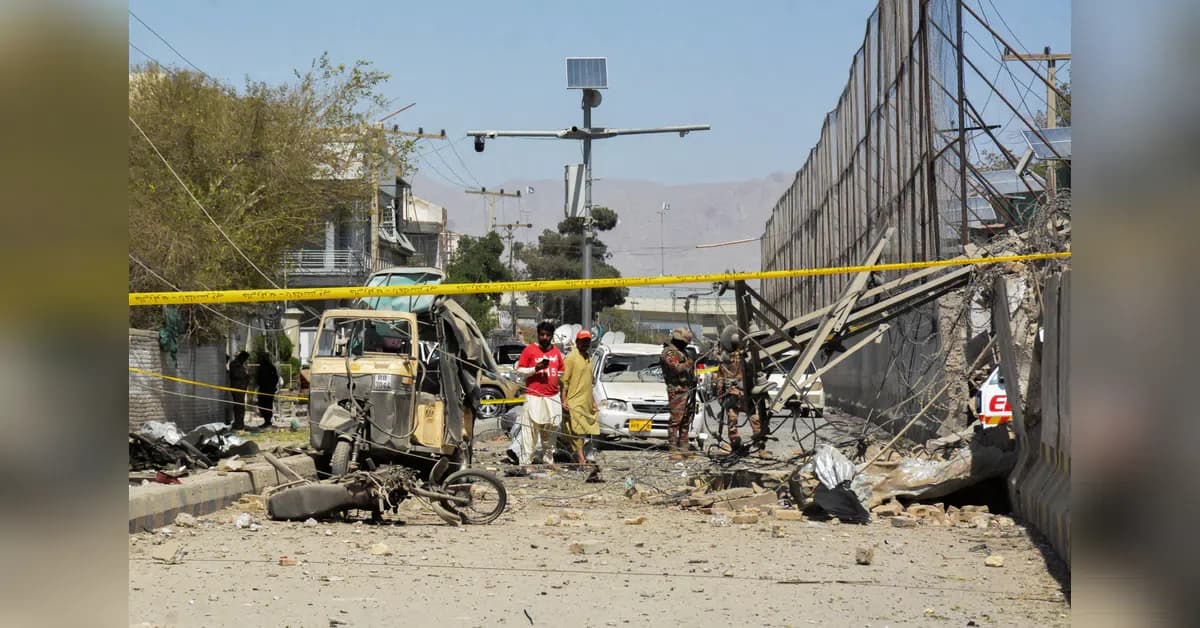
The project faces mounting security threats from separatist insurgents, particularly the Baloch Liberation Army (BLA), which has ramped up attacks on military installations, police posts and transport routes. According to the Financial Times, more than 20 people were killed in a bombing near a railway track in the provincial capital Quetta in May, while another 40 people lost their lives in a coordinated assault across the province in January. The company cited road travel as the main operational issue, stating it had become increasingly hazardous due to the attacks on transport infrastructure. Balochistan's unrest has been fueled by Baloch separatists seeking independence, claiming exploitation of resources by Pakistan and its allies.
The warning highlights significant risks to China's $68 billion investment in Pakistan's economy between 2005 and 2024, with nearly 74% concentrated in the energy sector. As reported by the Financial Times, China remains Pakistan's largest source of foreign direct investment with net FDI rising to ₹10,400 crore ($1.22 billion) in FY2024-25. The Saindak mine's potential shutdown could impact future Chinese investment in the country, as much of China's investment is concentrated in Balochistan, making the province's security situation a growing risk for critical infrastructure projects. The situation also complicates other major projects, like the $9 billion Reko Diq project, as similar security threats loom over these investments.