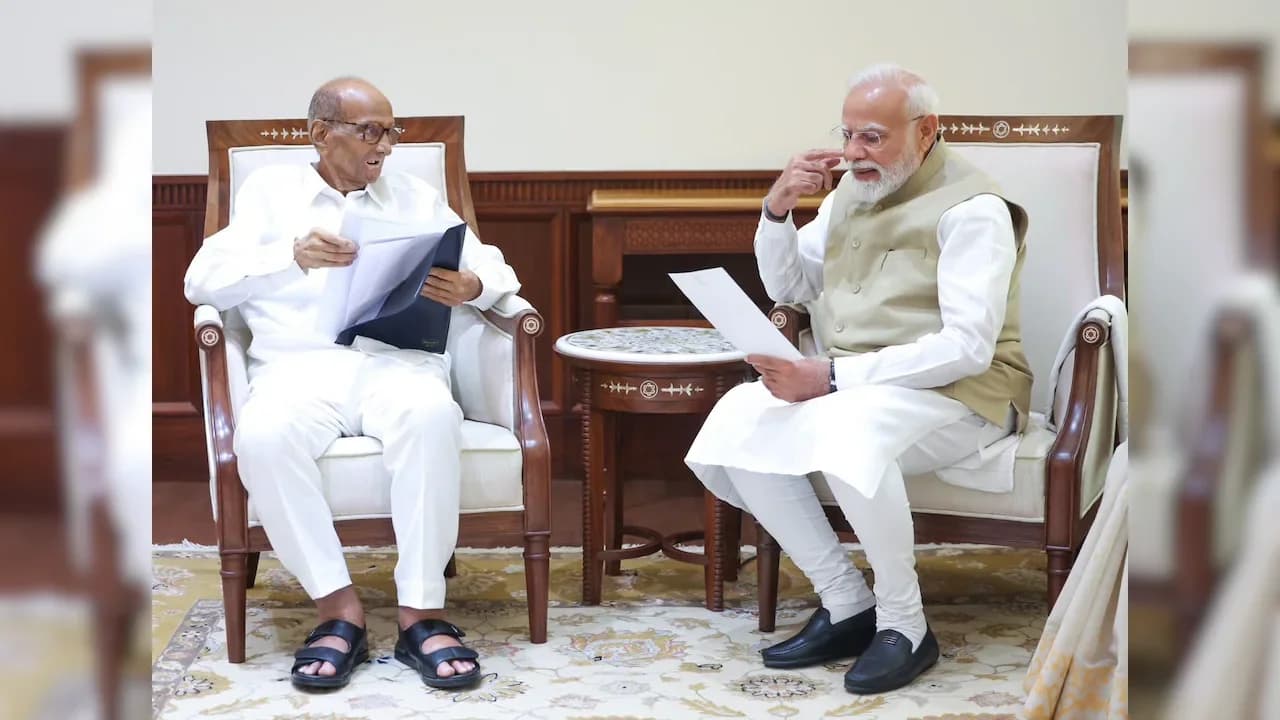
The Maharashtra State Onion Growers' Association has criticized the state government for prioritizing urban infrastructure issues over agricultural concerns. According to reports from PTI, association president Bharat Dighole stated that while traffic disruptions during heavy rains receive immediate attention, financial losses suffered by farmers due to recurring natural calamities and crashing crop prices are rarely met with equal concern. Dighole noted that "when traffic comes to a standstill in cities for a few hours, the entire state's attention is drawn to it. But when excessive rains, hailstorms, unseasonal showers, floods or drought destroy farmers' crops, the same amount of concern is rarely seen." The association specifically referenced the recent Mumbai-Pune expressway landslide as an example of swift government response to urban infrastructure issues.
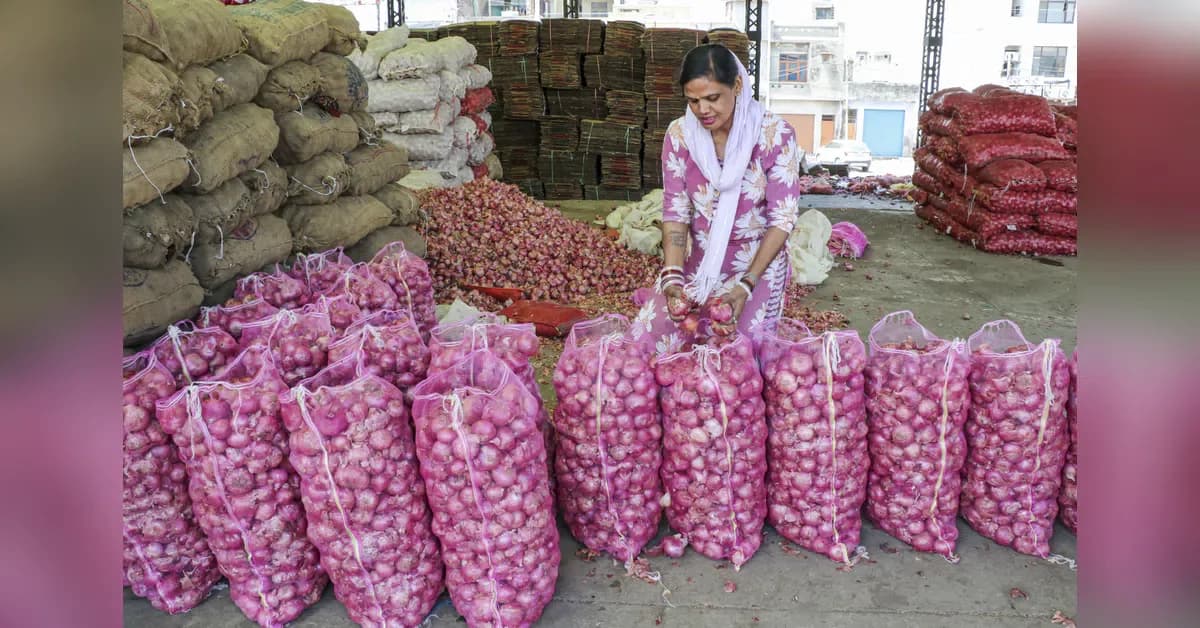
As reported by PTI, Dighole highlighted the significant financial losses farmers face daily. He noted that farmers battle crop diseases, erratic weather, price crashes and transport bottlenecks, often suffering losses worth lakhs of rupees in a single day. Despite these substantial losses, farmers continue farming with resilience, demonstrating their commitment to the agricultural sector. The association emphasized that these recurring challenges require equal government attention and concern as urban infrastructure issues.
According to the association's statement reported by PTI, Dighole acknowledged that investments in expressways, roads, bridges, tunnels and other infrastructure ultimately benefit farmers by improving connectivity and reducing transportation time and costs. He described efficient transport infrastructure as crucial for perishable farm produce such as onions, vegetables and fruits, as timely access to markets helps preserve quality and improves the possibility of better returns for farmers. The association noted that cities and villages are equally important for Maharashtra's development.
As reported by PTI, Dighole suggested that rather than politicizing traffic disruptions, there should be constructive discussion on how to minimize such occurrences in future and strengthen emergency response systems. He emphasized that while traffic disruptions are temporary problems arising from heavy rains or major infrastructure projects, the association's concerns about agricultural losses require equally sincere government attention. The association's statement called for balanced development priorities that address both urban and rural infrastructure needs, with Dighole clarifying that the association was "not aligned with any political party and would continue to support measures that promoted farmers' welfare."