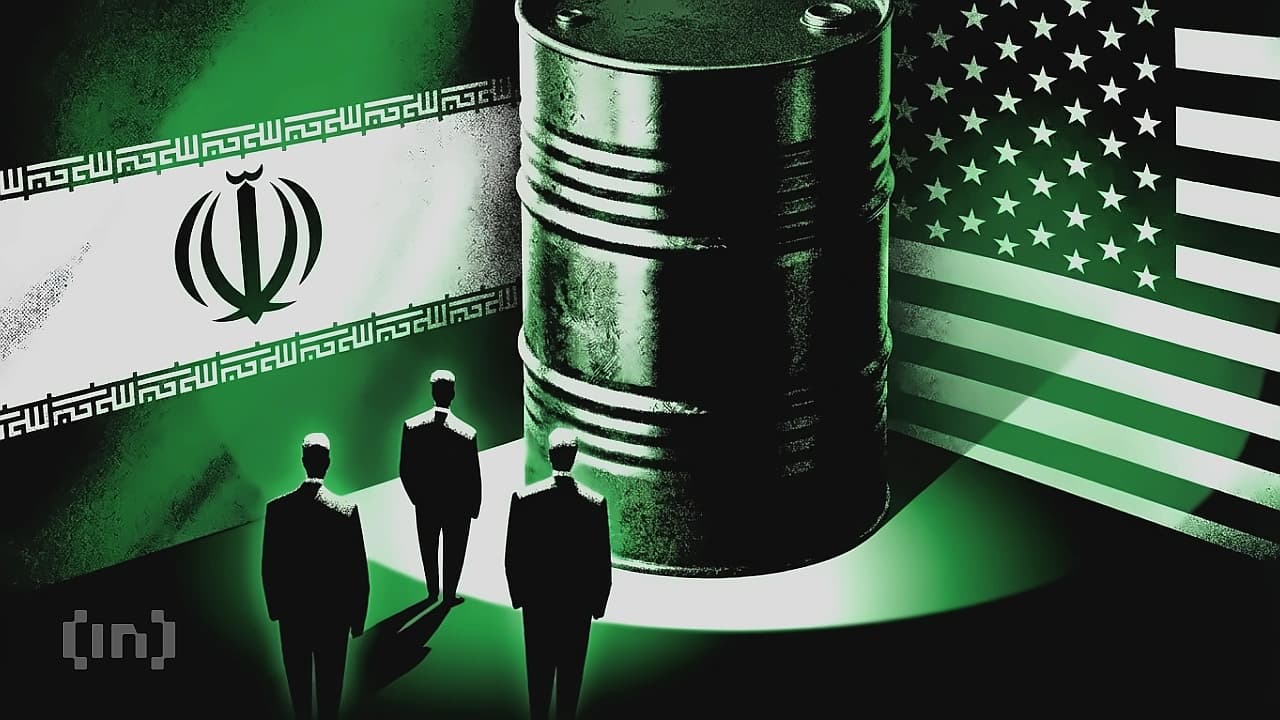
US crude oil traded near $107.80 per barrel Tuesday after mixed signals from the Trump administration shook energy markets. According to reports from CNBC, traders shrugged off temporary sanctions waivers and refocused on the risk of broader Middle East conflict. The volatility shows an asymmetric pattern in oil pricing, where war headlines drive sharper moves than diplomatic ones, with analysts saying the trend could keep inflation elevated and pressure global risk assets.
Commodity strategist Ole Hansen of Saxo Bank believes crude oil markets are likely to remain structurally tight even if geopolitical tensions ease. Speaking to CNBC-TV18, Hansen said the global oil market remains tight as the West Asia conflict drags into its fourth month, keeping Brent crude above the $110-a-barrel mark. If peace is achieved, the new floor in the market will most certainly move higher by at least $10 to $15, with $85-95 potentially becoming the new floor for the foreseeable future when the Strait of Hormuz reopens.
Former hedge fund manager and host of Mad Money on CNBC, Jim Cramer highlighted the imbalance in oil pricing dynamics. As reported by CNBC, Cramer warned that crude could revisit its prior $119 high if talks between Washington and Tehran fail. "Here's the big problem with oil: these days it goes down less when Trump says there is a hint of peace and it goes up much more when there is a rumor of war," Cramer wrote. He noted that "all of this truce-carrot with no stick breeds higher and higher prices."
Despite the diplomatic moves, the modest 1% slide indicates traders still see supply risks as the dominant variable. As reported by CNBC, volatility intensified after Iran's Tasnim News reported a possible US waiver on Iranian oil sanctions, with the headline briefly pushing crude below $105 before traders unwound the move. Higher oil prices feed inflation expectations and tighten financial conditions, which can delay Federal Reserve rate cuts and reduce appetite for risk assets like Bitcoin and altcoins. Commodity prices have surged sharply in 2026 amid the West Asia war and the Strait of Hormuz crisis, with WTI crude and Brent rallying 82% so far this year due to supply concerns.
On precious metals, Hansen said gold continues to face near-term pressure from rising bond yields, a stronger US dollar and inflation worries, but maintained a bullish long-term outlook. "Over the next 12 months, I think we could get back to new record highs and potentially as high as $6,000 per ounce," he said. Gold prices have gained around 5% this year as investors moved towards safe-haven assets amid geopolitical and economic uncertainty, while silver is up about 7%. Hansen prefers gold over silver from a long-term investment perspective because silver is more exposed to industrial demand, which could weaken if prices rise too sharply.