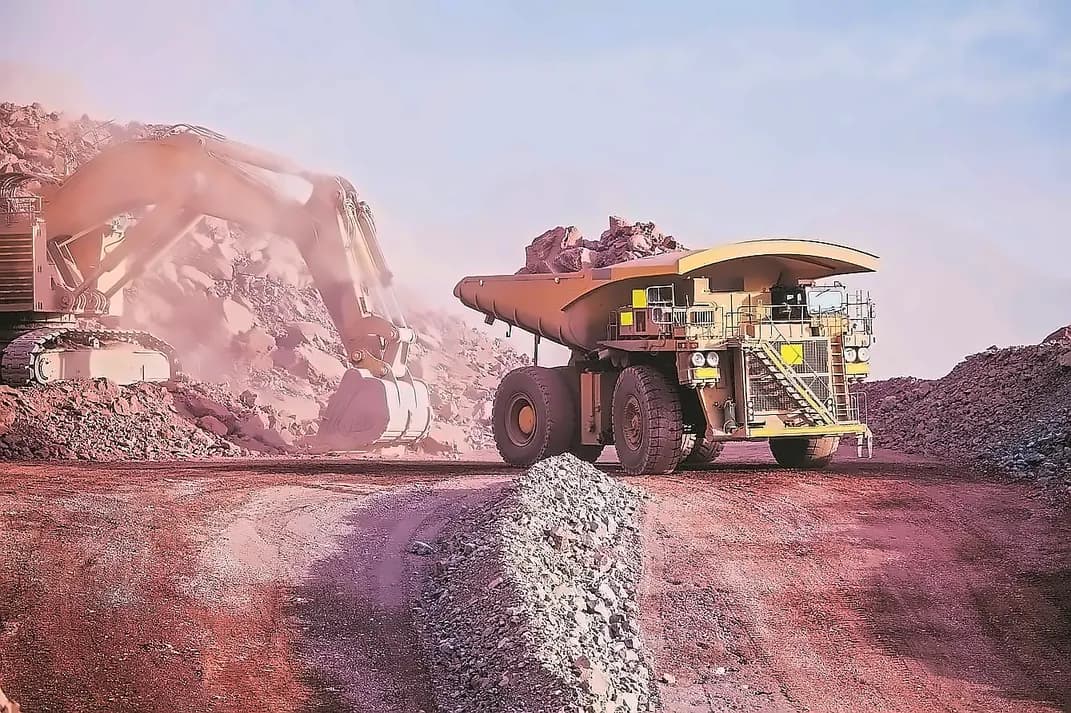
The Odisha government has intensified enforcement against iron ore producers after inspections revealed alleged downgrading of ore dispatched from several mining leases, resulting in substantial losses to the state exchequer. According to reports from The New Indian Express and Business Standard, the Directorate of Mines and Geology has issued show-cause notices to 65 mine leaseholders, asking them to explain discrepancies uncovered during inspections that indicated possible downgrading of iron ore quality. The action follows a large-scale verification drive by state-level enforcement squads that found several leaseholders had consistently downgraded the grade of iron ore dispatched from their mines in deviation from the annual average grade approved in their mining plans. During the Budget session of the Odisha Legislative Assembly, Steel and Mines Minister Bibhuti Bhushan Jena informed the House that audit findings had pegged the revenue loss at ₹4,162.79 crore due to under-assessment of iron ore grades. He noted multiple instances of "grade reduction" were detected across iron ore and manganese mining blocks, leading to differential royalty claims worth hundreds of crores. The companies have been directed to submit their responses before any further action is taken, with officials familiar with the exercise noting that if explanations submitted by the leaseholders are found unsatisfactory, the government may initiate recovery proceedings and other legal measures under applicable mining laws.
The notices cover mining leases across five key mining circles: Joda, Koira, Jajpur Road, Keonjhar and Baripada. As reported by The New Indian Express and Business Standard, officials believe such practices may have reduced royalty payments and other statutory dues payable to the state. The action forms part of a broader regulatory crackdown launched by the Steel and Mines Department after the Comptroller and Auditor General (CAG) highlighted substantial revenue leakage arising from the alleged undervaluation and misclassification of iron ore. The audit estimated that the state may have lost more than ₹4,162.79 crore due to undervaluation of iron ore transported through key mining corridors, including Joda-Koida-Jajpur. Minister Jena acknowledged that some operators misclassified high-grade minerals as low-grade ones to evade royalty and other statutory payments, with major cases of grade manipulation reported from the Koida and Joda mining circles. Authorities have been examining whether high-grade ore was deliberately reported as lower-grade material through practices such as blending, dilution or misclassification, thereby lowering the average sale value used to calculate royalty and auction premium liabilities.
The notices cover mining leases held by major public and private miners including Odisha Mining Corporation, Tata Steel, Jindal Steel and Power, Steel Authority of India, Bhushan Power and Steel, JSW Steel, ArcelorMittal Nippon Steel India, Rungta Mines, Serajuddin & Co and others. According to The New Indian Express and Business Standard, earlier this year, Steel and Mines Minister Bibhuti Bhushan Jena informed the Odisha Assembly that investigations had detected instances of "drop in grade" in several iron ore and manganese mines, leading to differential royalty demands of around ₹579.72 crore across five identified cases in the Koira and Joda mining circles. Those cases involved companies including JSW Steel, Yazdani Steel & Power and Patnaik Minerals, although recovery has remained pending because several leaseholders have challenged the demands or secured interim relief before the revisional authority.
Mine leaseholders have been directed to submit their replies within 30 days, failing which the government may initiate action, including termination of leases and forfeiture of performance security, under the Mineral Concession Rules, 2016. As reported by The New Indian Express and Business Standard, officials familiar with the exercise said the notices were issued after field teams collected and analysed samples from multiple mines, with findings now being compared with production records, dispatch documents and declared mineral grades to determine whether there was any mismatch between the quality of ore extracted and what was officially reported. The department has also asked field officers to intensify inspections to detect illegal mining, suppression of production and unauthorised extraction of minerals, including iron ore, manganese ore, coal, chromite and bauxite. Monitoring has been expanded to cover mining beyond approved lease boundaries, extraction from non-leased areas and production exceeding statutory limits. Officials have further been instructed to verify production registers, dispatch records and stock positions to identify discrepancies between actual output and declared figures, with illegal transportation identified as a priority area requiring rigorous examination of transit permits, weighment records, vehicle movements and dispatch documentation.
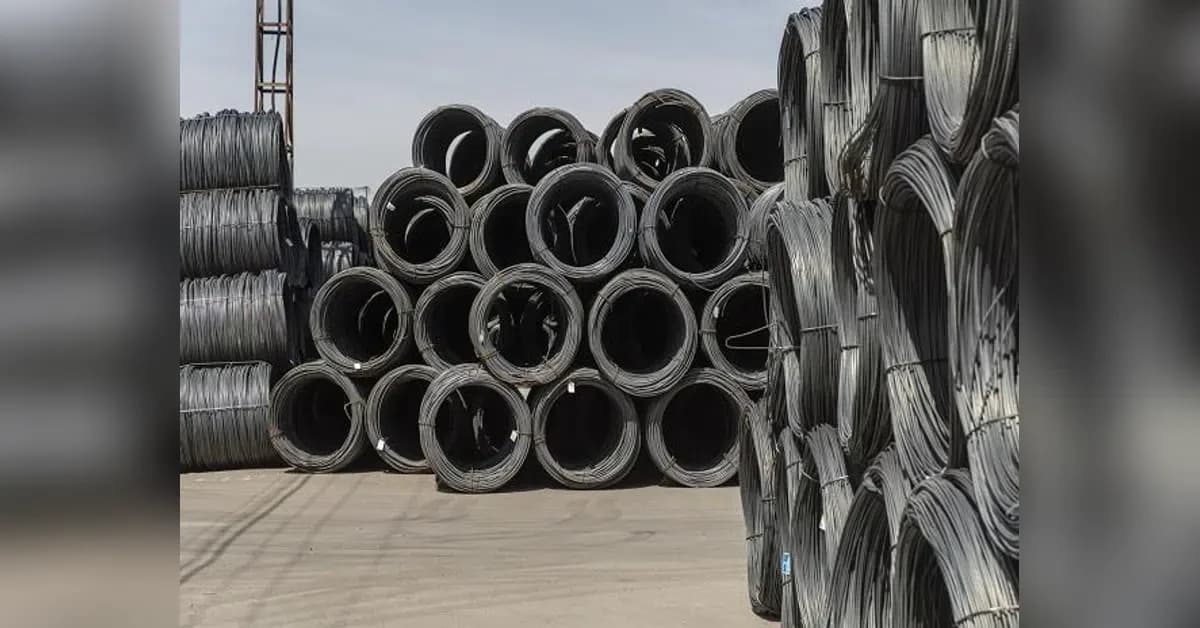
The government has notified the Odisha Mineral (Prevention of Theft, Smuggling and Illegal Mining and Regulation of Possession, Storage, Trading and Transportation) Rules, 2025, introducing measures such as mandatory third-party sampling, automated mineral grade analysis and AI-enabled real-time monitoring of mineral dispatches to improve transparency and minimise revenue leakage. Additional Chief Secretary (Steel and Mines) D.K. Singh has directed officials to maintain strict vigilance against grade manipulation, dilution, blending, misclassification and any other practice intended to influence mineral valuation or reduce royalty, auction premium and other government dues. The government has warned that any negligence by enforcement officials will invite disciplinary proceedings, with accountability to be fixed on officers found failing to carry out their responsibilities. The state has been tightening its regulatory framework over the past several months, with the department earlier instructing the Directorate of Mines and Geology to strengthen surveillance across mining leases, transportation routes, storage facilities and mineral trading points.