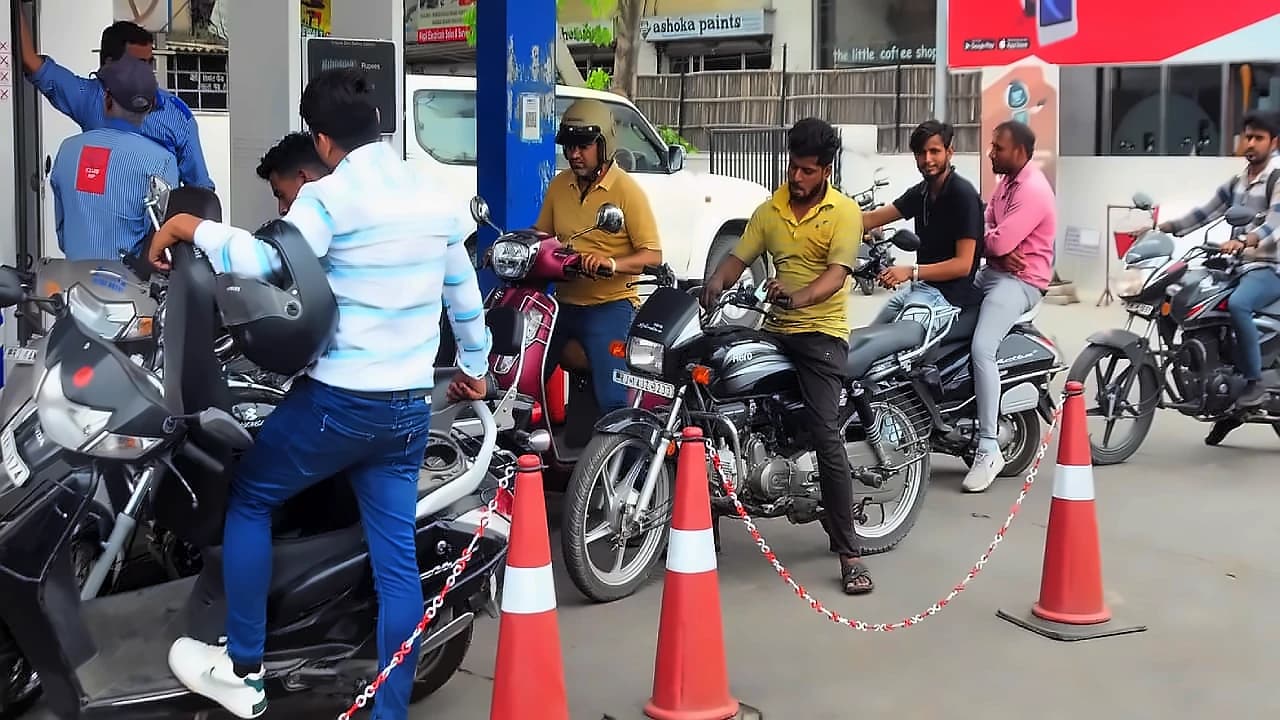
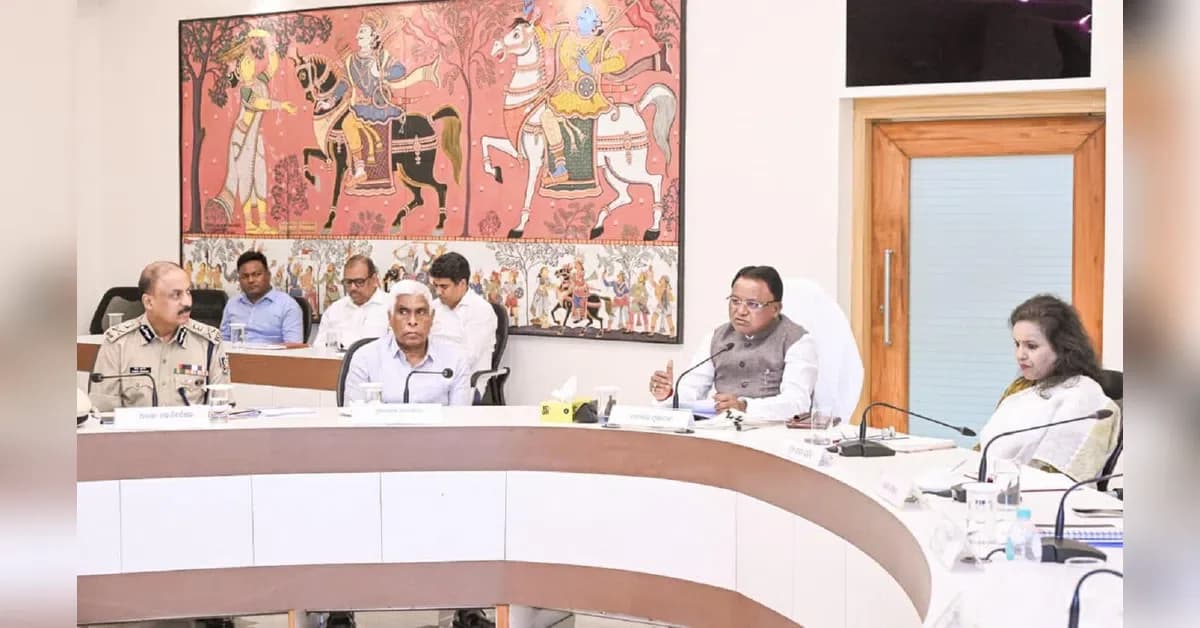
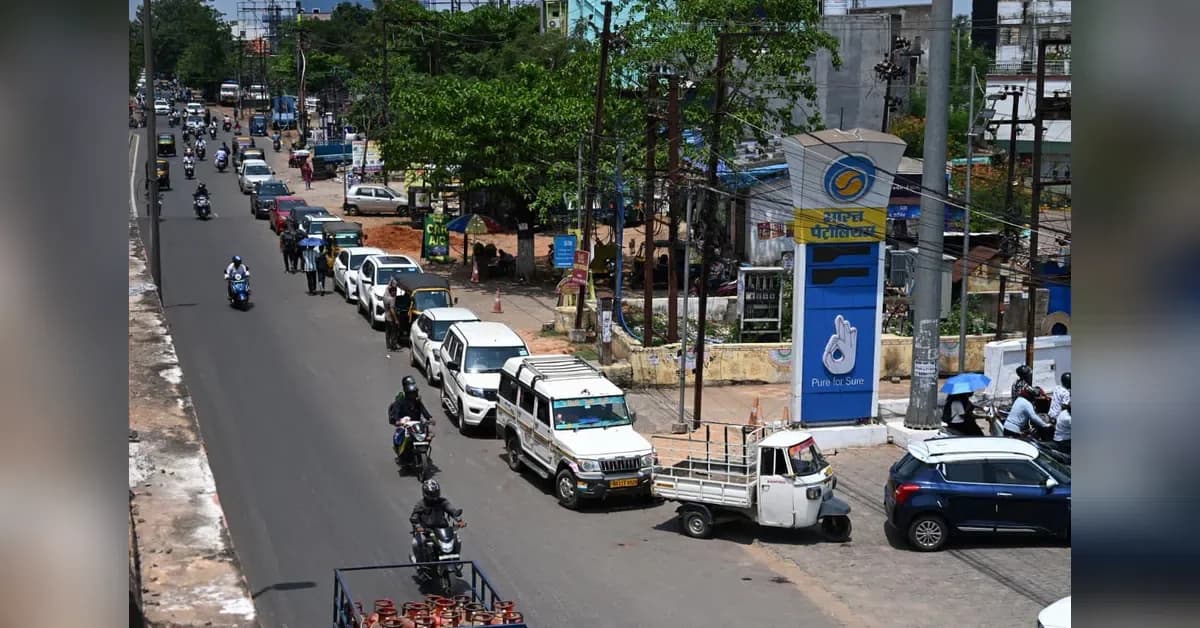
The fuel crisis in Odisha has intensified with panic buying witnessed in Bhubaneswar on Thursday as concerns over potential petrol and diesel shortage triggered long queues at fuel stations across the capital city. According to Sambad English, the panic buying represents a significant escalation from the rationing measures that have been in place for the past two days. The crisis extends from Bhubaneswar to industrial corridors in Rourkela, Balasore, Angul, Jajpur, and mining belts in western and southern Odisha, with similar scenes playing out in Cuttack, Sambalpur, Berhampur, and the port town of Paradip.
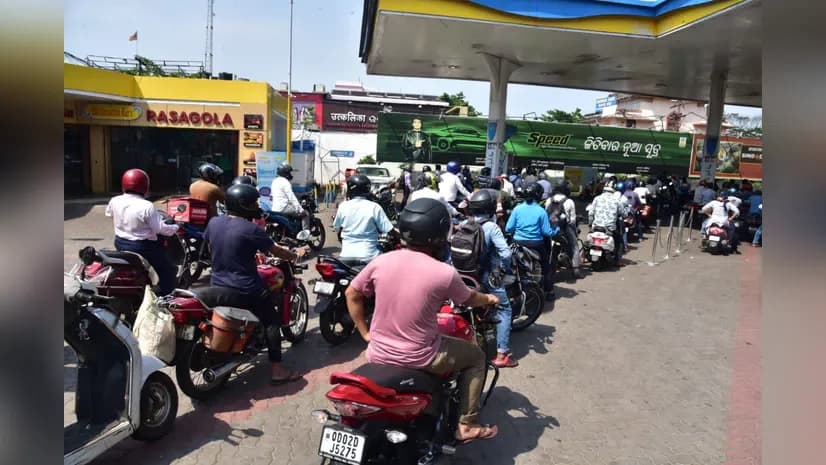
Dealers have implemented strict rationing measures across the state, allowing only ₹200 worth of petrol for two-wheelers and ₹500-₹2,000 for cars depending on stock availability. As reported by Business Standard, Sidhartha Das, a marketing manager, had to visit multiple fuel stations to fill his 40-litre requirement, eventually finding supplies at Khurda and Balasore. The All Odisha Private Bus Owners' Association has flagged fuel shortages, with General Secretary Debendra Sahu warning that passenger bus services will be disrupted if supplies are not streamlined, as fuel stations in remote areas are providing only 50 litres of diesel against requirements of more than 200 litres at a time.
Dealers have alleged that oil marketing companies are implementing undeclared supply restrictions to contain mounting losses. According to Business Standard, Laxmi Narayan Mohanty, a petrol pump owner, revealed receiving verbal instructions not to provide petrol for more than ₹200 to bikes, ₹500 to cars, and 200 litres of diesel to trucks at a time. Oil marketing companies are currently bleeding heavily with estimated under-recoveries of nearly ₹30,000 crore every month due to retail fuel prices remaining politically sensitive despite rising global crude prices. A senior dealer association member noted that the traditional competition for market share has given way to a race for third or fourth position, with whoever sells less losing less.
Dealers have pointed to digital infrastructure issues in fuel distribution, with Sanjay Lath, general secretary of the Utkal Petroleum Dealers' Association, noting that oil companies have real-time visibility of stock levels through automated inventory systems. As reported by Business Standard, some dealers alleged that tankers are deliberately made to wait for hours at depots despite advance payments, with some operators turned away altogether. Pradeep Das, general secretary of the Petroleum Dealers' Association, Balasore, claimed that dealers are stopped from loading fresh tankers if outlets dispense more than 250 litres of diesel or 50 litres of petrol in one transaction, requiring written undertakings that such instances were unintentional.
Odisha's fuel consumption patterns have been significantly higher than the national average, with the state reporting 22% growth in diesel sales and 15% growth in petrol sales in April compared to the country's 6.6% petrol growth and virtually zero diesel growth. According to Business Standard, the unusually high growth was largely driven by vehicles from neighbouring Andhra Pradesh and West Bengal refuelling at Odisha's bordering districts due to price and supply variations. Odisha operates over 3,000 fuel stations and consumes nearly 44.7 lakh litres of petrol and 112.39 lakh litres of diesel daily.