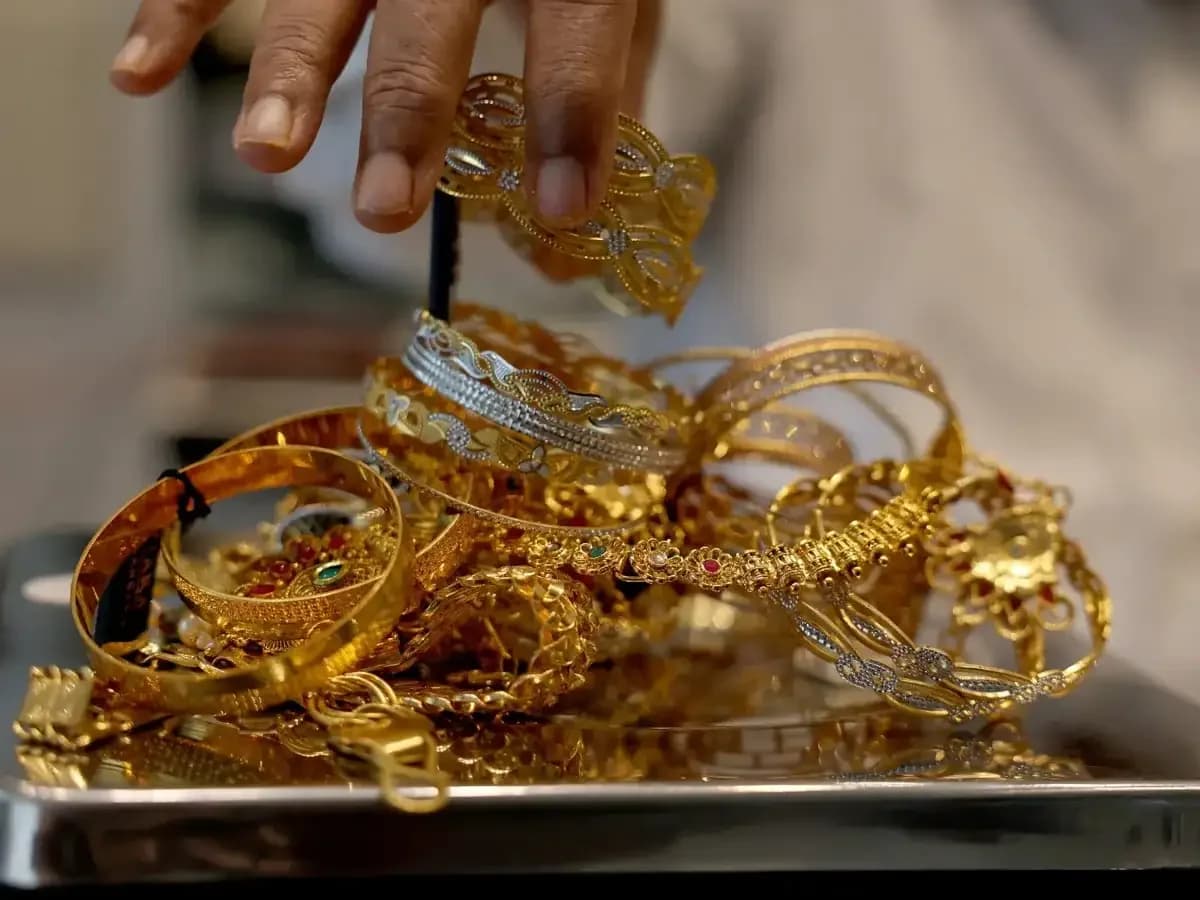
MMTC PAMP has significantly expanded its gold recycling infrastructure, currently operating about 20 recycling centres where both jewellers and individual customers can bring in old gold and silver for recycling. The company assays gold transparently in front of customers and melts it in a furnace before determining purity and weight, with customers able to choose to sell the gold or buy coins or bars in exchange. MMTC PAMP's network of stores and purity verification centres uses authenticated precision weighing and XRF technology to assess purity and value the gold before making payment. As per Moneycontrol, the company is also expanding the role of its retail network, with larger stores combining recycling or buyback of old gold with the sale of minted products, while testing smaller stores focused on coins and bars. According to The Economic Times, MMTC PAMP currently recycles around 22 tonnes of gold and plans to increase this by 10-15% annually, with Guha stating that "if an attractive GMS is launched, then it can go up substantially."
Indian households are estimated to hold 31,000 tonnes of gold, while the country imports about 800 tonnes annually, as reported by The Economic Times. The government is working with all stakeholders to develop a revamped gold monetisation scheme (GMS), after the earlier programme launched in 2015 made little headway. With gold accounting for a significant share of India's merchandise imports, recycling household gold could reduce the need for fresh imports and, consequently, the outflow of foreign exchange. Guha noted that recycling complements imports rather than replacing them, as reported by The Economic Times, emphasizing that India's next gold story should focus on how efficiently, transparently and responsibly the country circulates and monetises the gold it already owns.
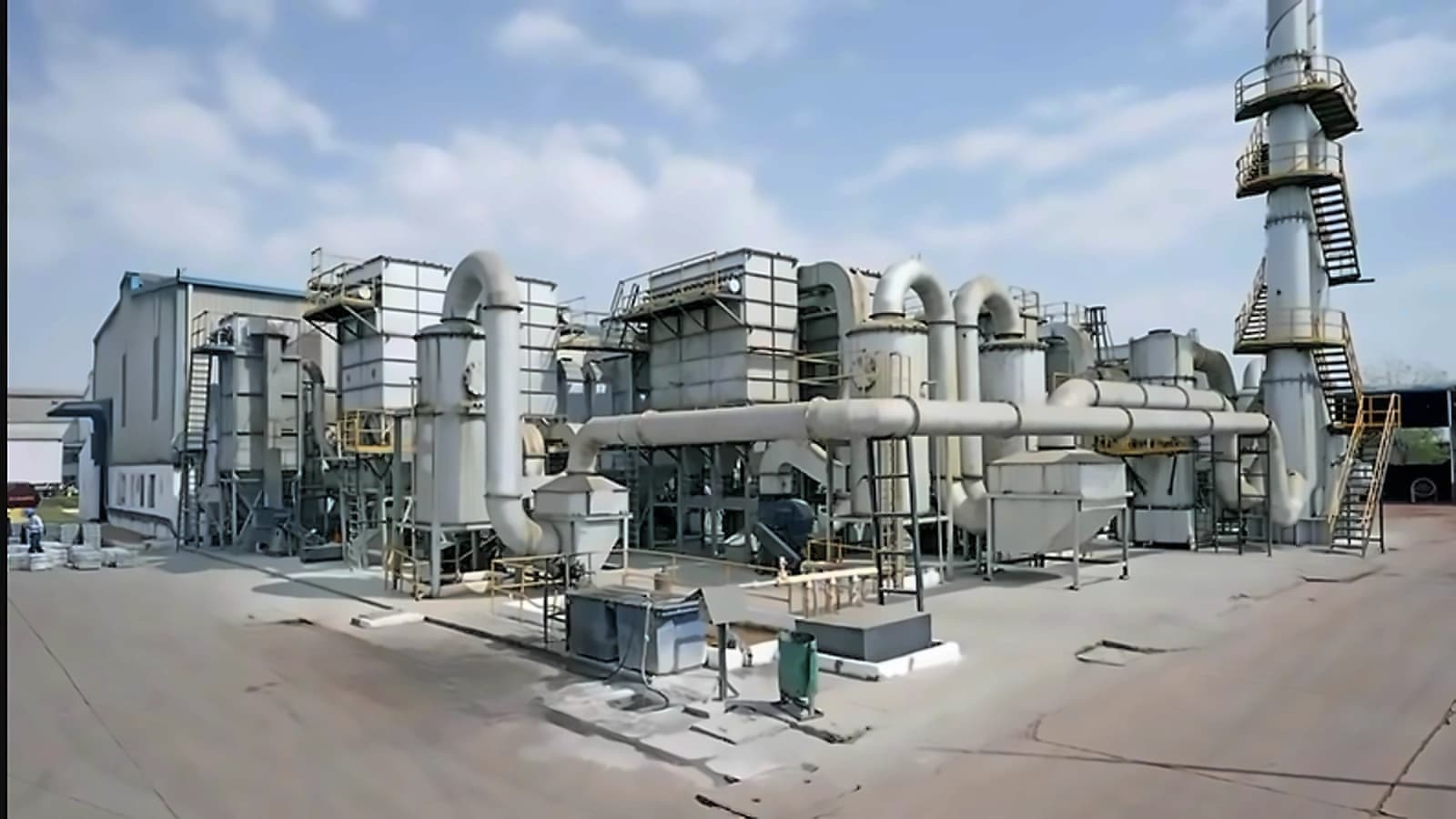
India has about 1,800 tonnes of installed gold-refining capacity, much of which remains underutilised, according to The Economic Times. MMTC PAMP currently has the capacity to refine 300 tonnes of gold and 600 tonnes of silver annually, leaving significant headroom to scale up recycling operations. A greater flow of recycled gold into the domestic market could help address pressure on India's current-account deficit by substituting a portion of imported bullion with domestically sourced metal. The company has also launched a 10-gram Virasat coin made entirely from 999.9+ pure recycled gold, with CEO Samit Guha stating there is "a huge opportunity in growing the whole recycling business," which could also help reduce India's dependence on imported gold.
The increased recycling capacity could significantly reduce India's reliance on gold imports while maintaining the country's gold monetisation capabilities. With the government working on a revamped GMS, the potential for substantial growth in recycling volumes becomes more realistic. Guha emphasized that the strategic approach would help reduce India's reliance on gold imports while maintaining the country's gold monetisation capabilities, as reported by The Economic Times. As per Moneycontrol, MMTC PAMP sees potential in closing the gap where only a small portion of India's massive household gold pool currently makes its way back into the formal recycling ecosystem, with currently 30,000-35,000 tonnes of gold lying as a non-performing asset in Indian households. The company is also testing models to reach households directly, replicating the operating model used by gold loan and leasing organisations.