
MCX gold futures for April expiry opened with a 3% cut at ₹161,092 per 10 grams as against its last close of ₹166,074, according to reports from Live Mint. The Multi Commodity Exchange resumed trading in the second half on Tuesday, March 3, after being closed in the morning session due to Holi 2026. Silver prices on MCX traded with a steeper decline of 6% at ₹261,773 per kilogram, as reported by Live Mint. On Monday, gold prices on MCX had closed 2.53% higher at ₹1,66,199 per 10 grams, while silver had ended the session lower at ₹2,80,090 per kilogram.
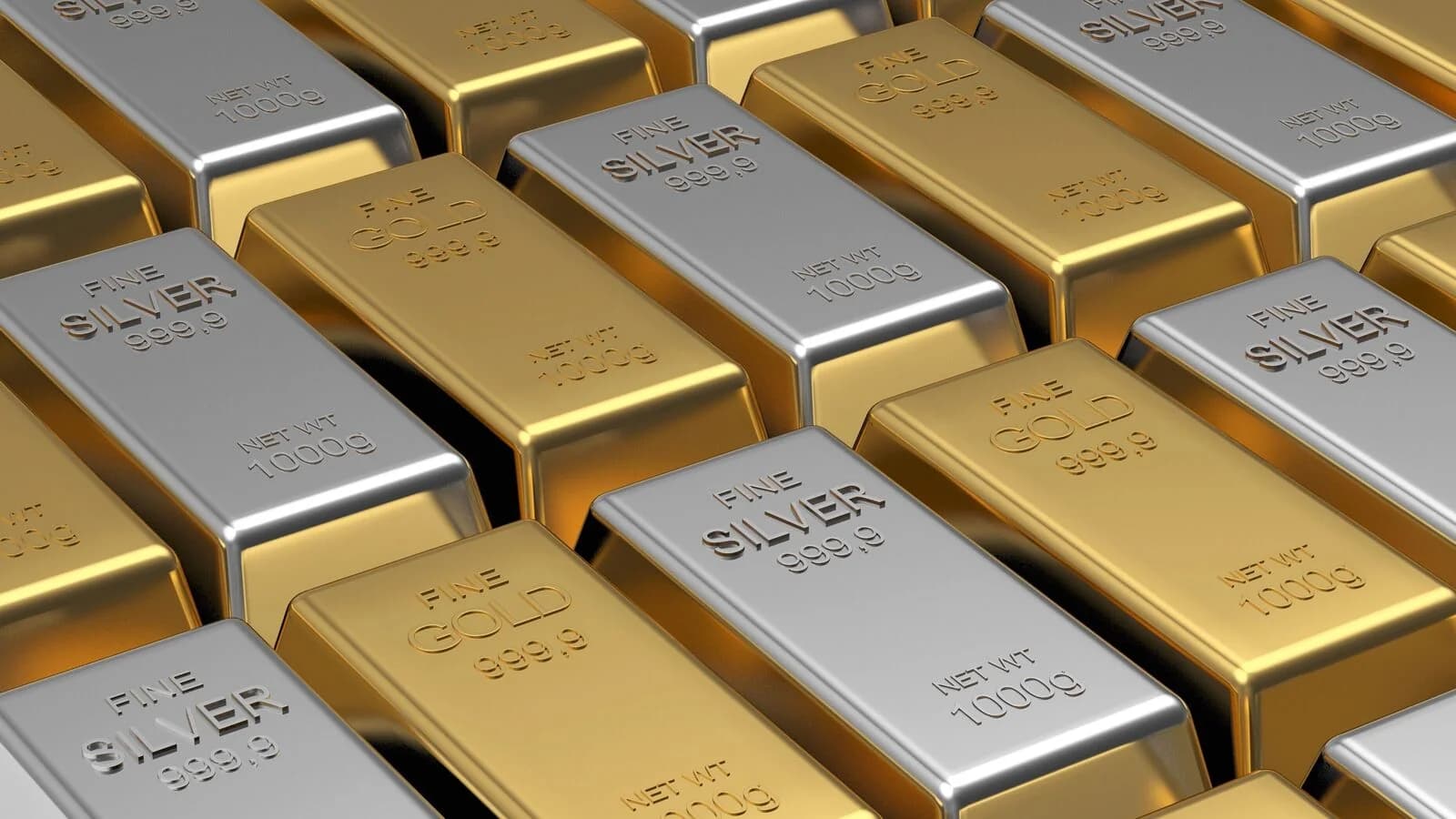
The weakness in domestic futures market mirrored global market trends, where US spot gold prices briefly slipped below the $5,200 mark as they cracked 3%, as reported by Live Mint. Silver faced an even bleaker fate with its 11% crash to below the $80 level at one point, according to Live Mint. However, gold price extended its rally for a fifth consecutive session on Tuesday, March 3, while silver rebounded after ending lower on Monday, led by escalating tensions in the Middle East. COMEX gold rate climbed nearly 1% to trade above the $5,300 mark, while COMEX silver opened higher and hit an intraday high of $91.61 per ounce.
Fading expectations of an interest rate hike in the US by its central bank in the near term are another factor weighing on domestic and international gold prices, according to Live Mint. Since gold is a non-yielding asset, it thrives in a low-interest-rate environment. The US Federal Reserve is expected to hold rates at the conclusion of its next two-day meeting on March 18, suggests CME Group's FedWatch tool, as reported by Reuters. The probability of a rate hold in June, previously below 45%, has now risen to more than 60%, according to Live Mint.
A stronger US dollar hit a more than one-month high, supported by firm demand and cautious market sentiment, which outweighed the safe-haven demand triggered by escalating US-Israeli military action against Iran, as reported by Live Mint. A stronger dollar generally makes dollar-denominated commodities like gold more expensive for buyers using other currencies. The conflict in the Middle East has already resulted in a spike in energy prices, which could trickle into inflation data and could be an influencing factor in the US Fed's decision, as reported by Live Mint. Despite near-term volatility, many analysts remain bullish on gold.