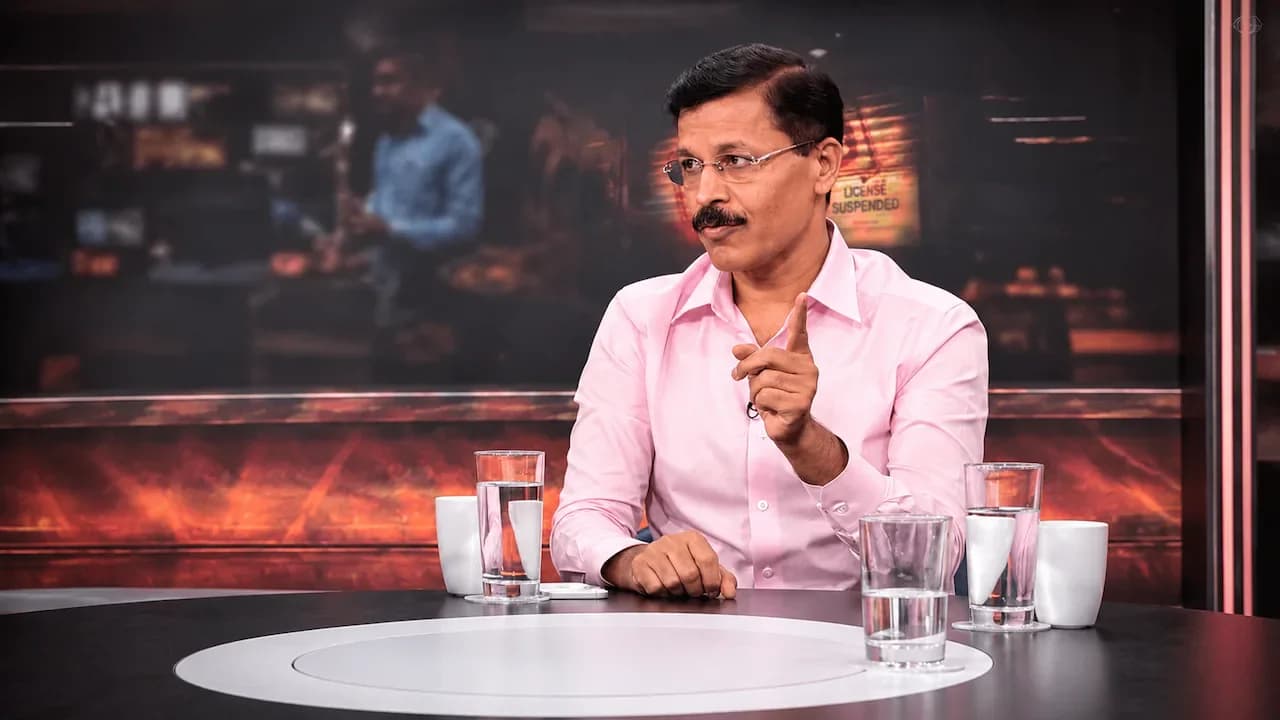
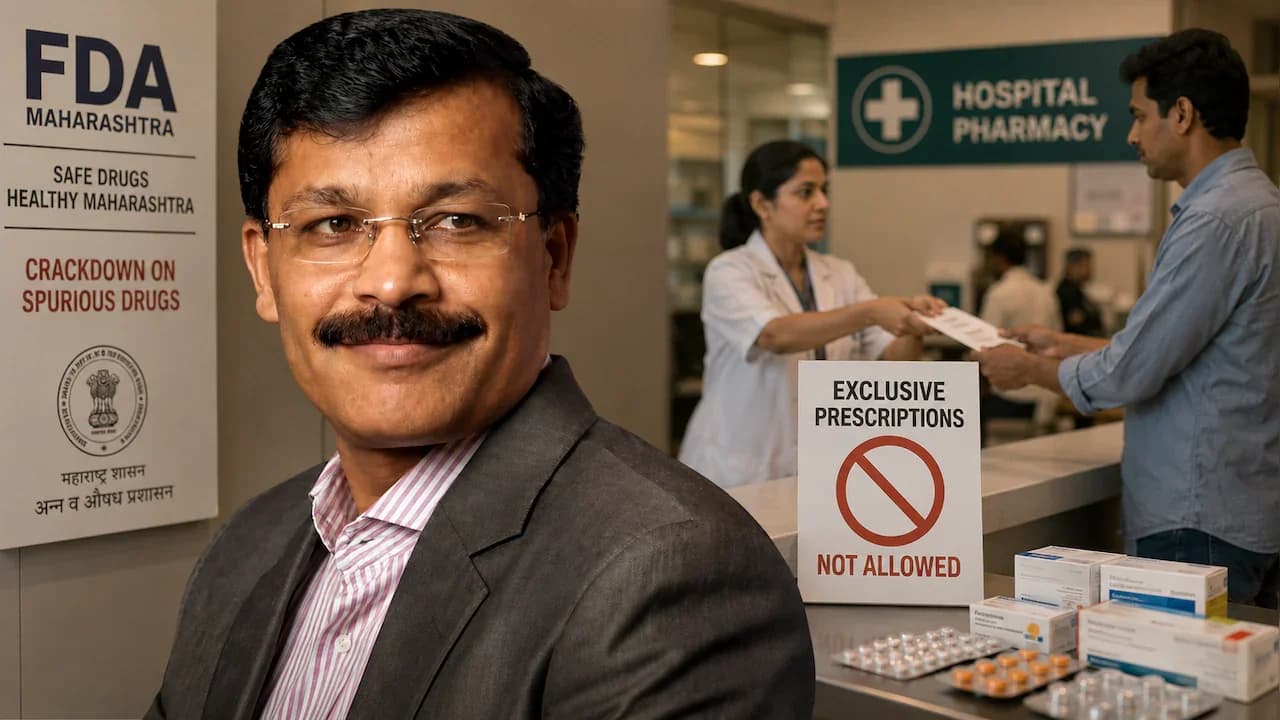
Maharashtra's Food and Drug Administration (FDA) appears set to review its blanket ban on the sale of loose edible oil after Chief Minister Devendra Fadnavis directed the regulator to frame a standard operating procedure (SOP) aimed at preventing adulteration without shutting down traditional businesses. According to reports from Times of India, FDA Commissioner Tukaram Mundhe initially said the statewide compliance order banning loose edible oil was non-negotiable, but the administration withdrew this statement roughly an hour later. The regulator had maintained that accepting demands from retailers to relax or withdraw the restrictions would be inappropriate from a food safety perspective.
Fadnavis intervened on Monday, August 24, four days after the FDA ordered edible oils and fats to be sold only in sealed, tamper-proof and properly labelled food-grade packaging. As reported by Times of India, the order triggered opposition from edible oil traders, who said the restrictions could threaten family-run businesses operating for generations. Several ministers also raised concerns at Monday's Cabinet meeting about the impact on traders and consumers, particularly in rural areas where packaged oil may not be readily available. "We will direct the FDA to find a middle path by formulating an SOP that ensures the quality of edible oil and prevents adulteration, while also allowing traditional businesses to continue," Fadnavis said after the meeting.

The FDA's August 20 order sought to address adulteration and traceability concerns by requiring details including the source, batch number, packaging date and expiry date. According to Times of India, the regulator said inspections had detected practices including the use of non-food-grade containers, relabelling and other food safety violations. The loose oil restrictions were part of a broader crackdown that also targeted the reuse of old containers and repeatedly heated frying oil.
The policy changes have significant implications for Maharashtra's edible oil sector, particularly affecting traditional businesses that have operated for generations. As reported by Times of India, several ministers raised concerns at Monday's Cabinet meeting about the impact on traders and consumers, particularly in rural areas where packaged oil may not be readily available. The government's intervention suggests a balance between food safety regulations and the economic viability of traditional business models in the state, making this a key governance case study for exams focusing on regulatory discretion and blanket ban vs. SOP frameworks.