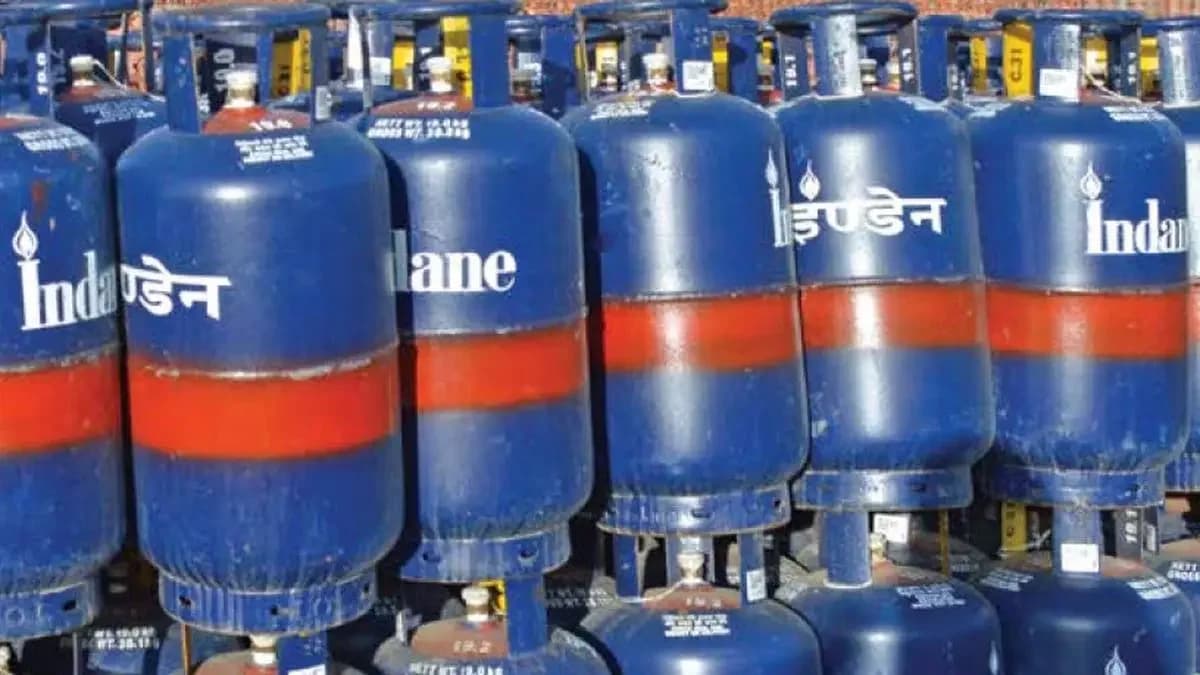
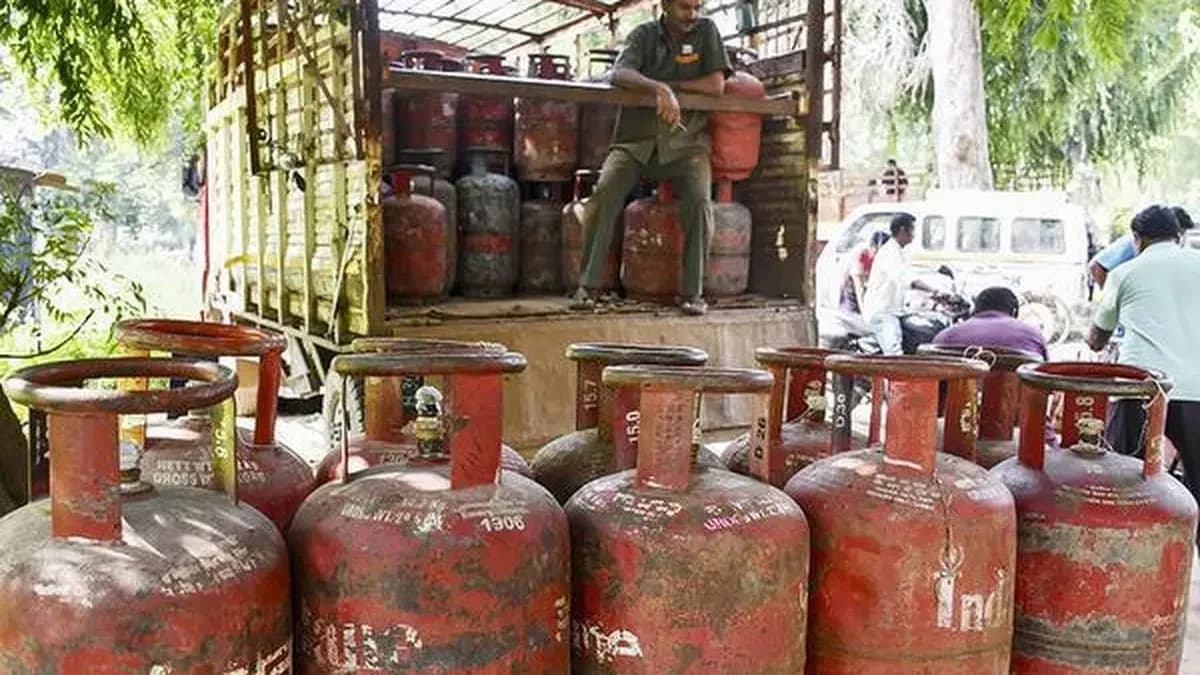
The government has decided to deregulate the LPG pricing regime as part of broader energy sector reforms. This deregulation comes at a crucial time when India's LPG consumption has reached 2.61 million tonnes in October 2026, marking an 8-month high and representing a 2.8% monthly increase. According to the Petroleum Planning and Analysis Cell (PPAC), this consumption level was achieved despite a 9% year-on-year decline. The deregulation is expected to improve supply chain efficiency and reduce import dependency, which currently stands at 71% of total LPG supplies.
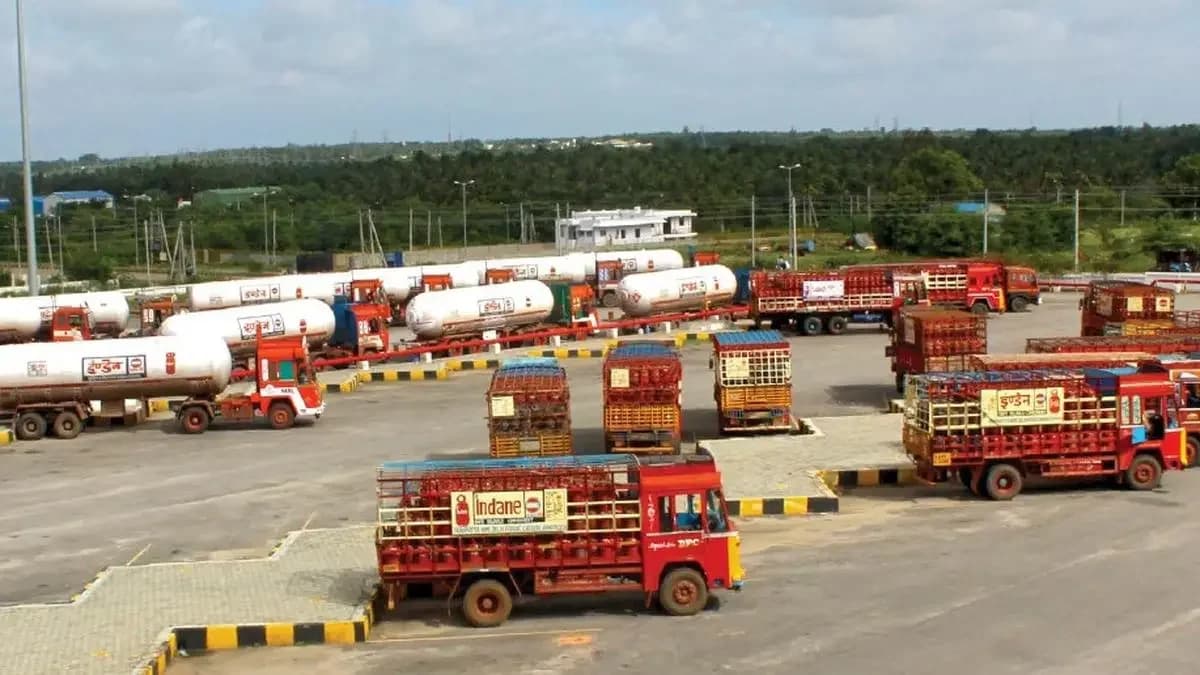
A KPMG analysis projects significant growth in India's LPG demand, with consumption expected to increase from 2.4 million tonnes in FY2025-26 to 4.16 million tonnes by FY2032-33. However, domestic production capacity will remain constrained, rising only from 0.96 million tonnes to 1.35 million tonnes during this period. This leaves imports to bridge the widening supply gap, with projections showing imports increasing from 1.4 million tonnes to 2.8 million tonnes by 2033. The ministry estimates that meeting demand through FY2035-36 will require investment of approximately $1 billion over the next three to five years in additional terminals, storage facilities, cylinders, filling plants and transportation capacity.
The government has identified serious weaknesses in the existing import infrastructure that are constraining LPG supply capacity. The two LPG terminals at Port Qasim have storage capacity of approximately 6,500 metric tons each and can receive vessels of no more than 10,000 deadweight tons, significantly below international standards of 30,000 to 50,000 DWT. There is also no refrigerated storage facility or inter-terminal pipeline, restricting the country's ability to receive larger shipments and improve economies of scale. To address these constraints, the proposed guidelines envisage allocation of land and berth facilities at Port Qasim for a 40,000-metric-ton LPG terminal. The first phase would involve storage capacity of 10,000 to 12,000 metric tons on land with access to the SSGC jetty.
India's diesel consumption surged to a 4-month high, rising by 19% month-on-month to 8.51 million tonnes in October. On an annual basis, diesel usage was 12% higher. According to analysts and refiners, the rally was attributed to rising industrial, mining and commercial activity, with agricultural activity also contributing as Rabi crop sowing was in full swing. Kpler expects global diesel demand to decline by 500,000 barrels per day in 2026, making it the hardest-hit refined product, but India remains a major exception with diesel demand forecast to increase by 90,000 barrels per day in 2026.