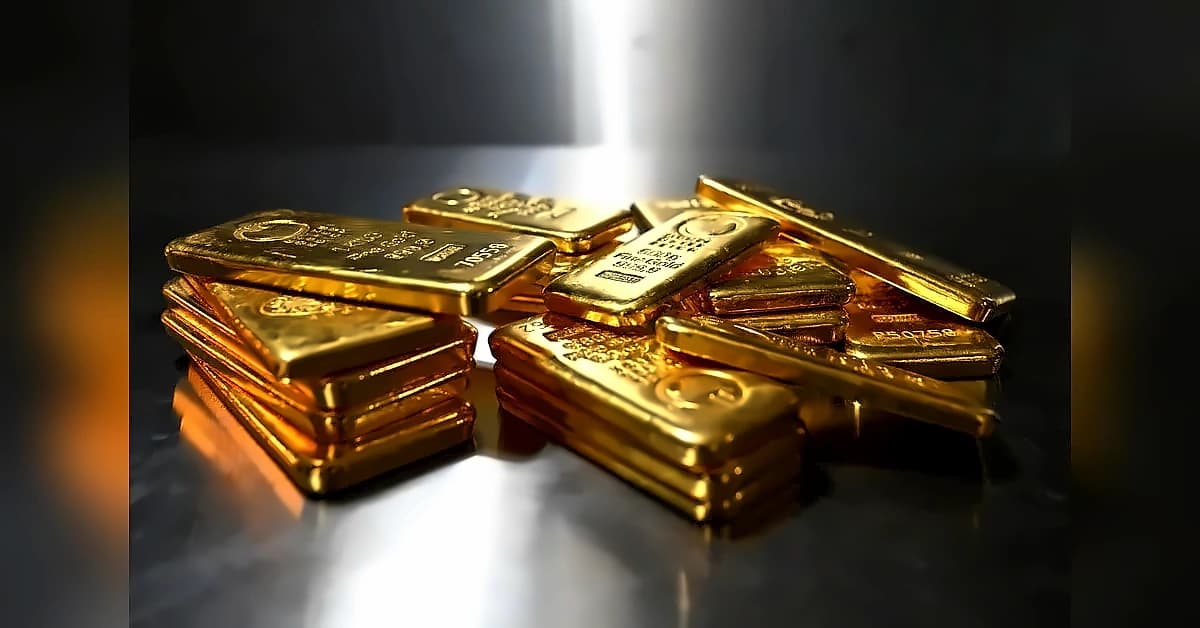
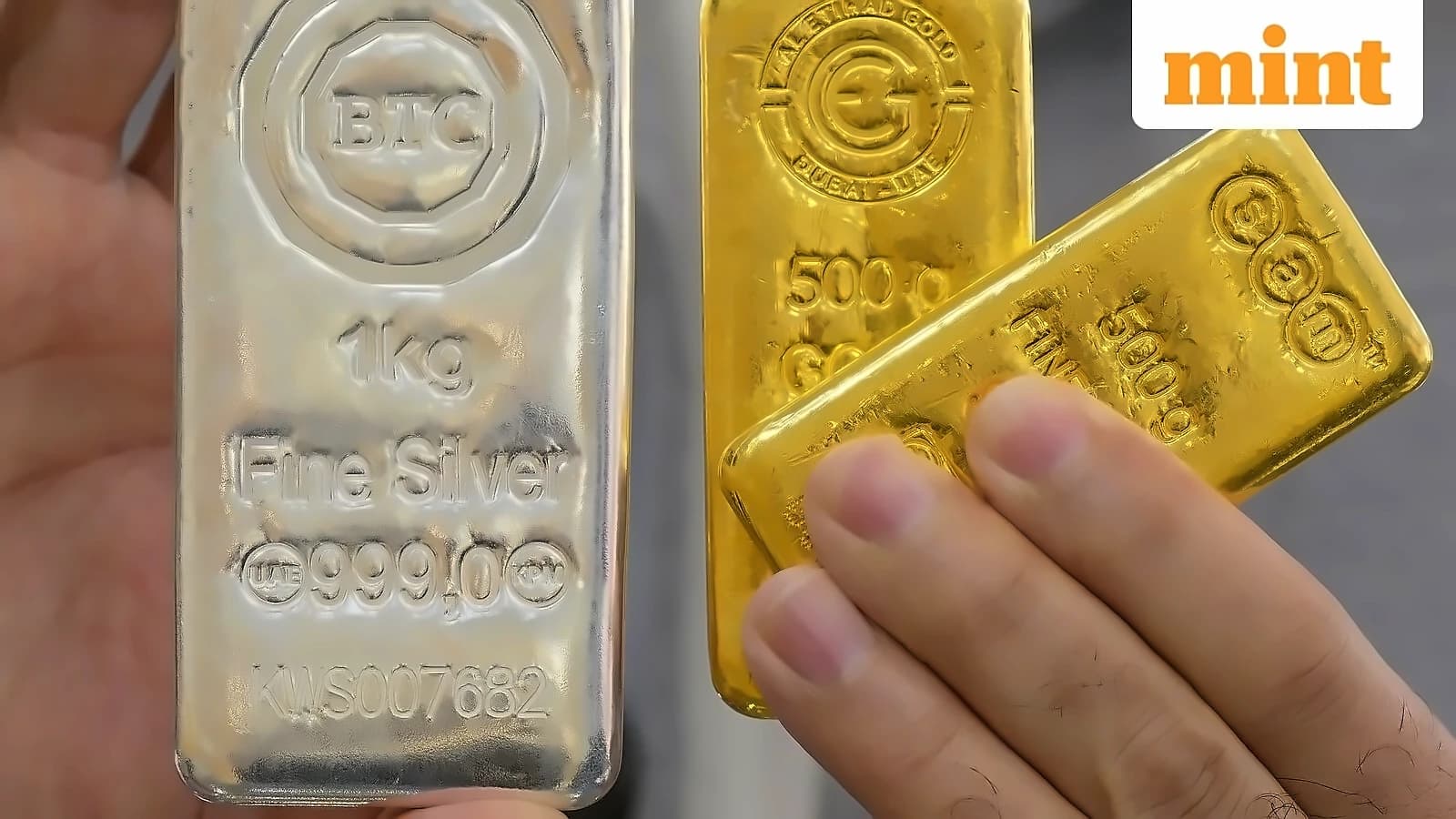
India has raised tariffs on gold and silver to 15 per cent from 6 per cent to curb imports and ease pressure on foreign exchange reserves amid Iran war strains. According to reports from The Hindu BusinessLine and Reuters, India spent a record ₹7,200 crore ($84 billion) on gold and silver imports in the fiscal year to March, compared to ₹3,175 crore ($35.5 billion) a decade earlier. The country meets nearly all domestic gold demand through imports and has repeatedly sought to curb consumption, with gold deeply woven into weddings, festivals and cultural traditions. Reuters reports that the higher duties could dampen demand in the world's second-largest consumer of precious metals, although they may help narrow India's trade deficit and support the rupee, one of Asia's worst-performing currencies.
Despite local gold prices rising by 443 per cent over the past decade, annual demand has remained broadly steady at 666-803 metric tons, averaging about 718 tons. As reported by The Hindu BusinessLine, demand was also resilient when India raised gold import tariffs to 10 per cent from 2 per cent between 2012 and 2013. Indian buyers are price-sensitive but view gold as a long-term value store and hedge against inflation, with gold-backed loans offering quick access to funds for millions of Indians. However, Reuters reports that gold demand, particularly for investment purposes, has risen in India amid a recent rally in prices and negative returns from equities over the past year. Surendra Mehta, national secretary at the India Bullion and Jewellers Association, noted that while the government has raised duties to curb the current account deficit, this could affect demand as gold and silver prices were already elevated.
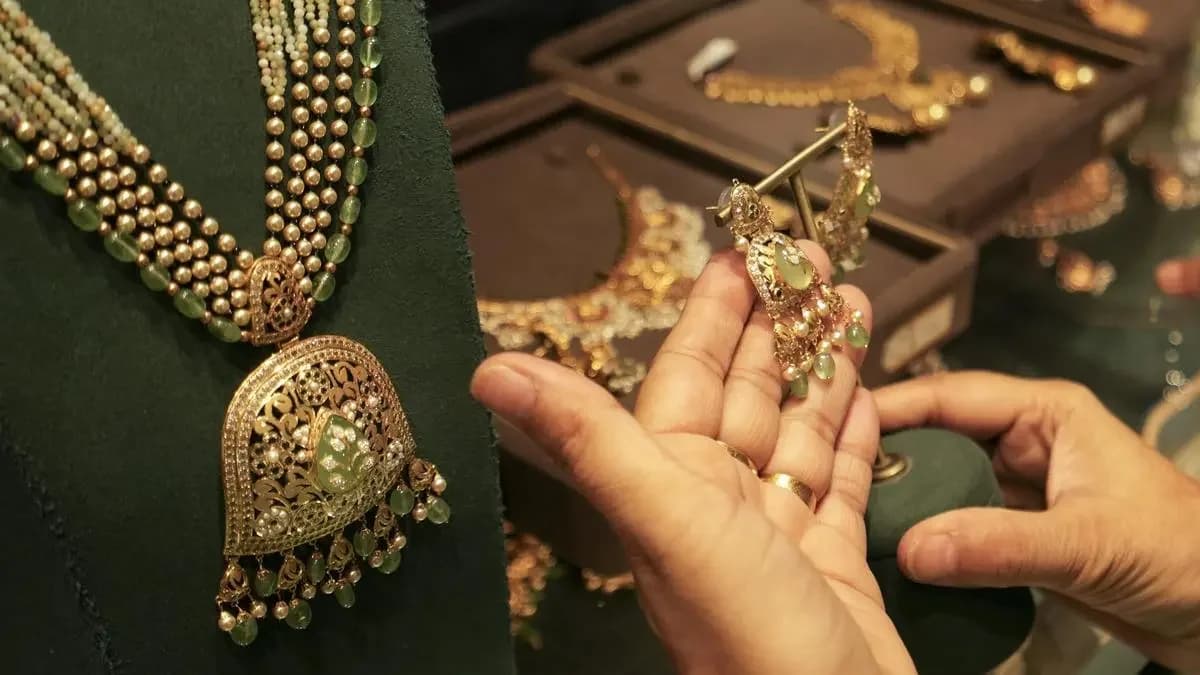
Jewellery demand has traditionally accounted for 75 per cent of India's total gold consumption, while investment demand through coins, bars and gold ETFs makes up the rest. According to The Hindu BusinessLine, investment demand for gold surpassed jewellery consumption for the first time in the March quarter as investors turned to the metal amid weak equity returns. Inflows into local gold ETFs have been rising and are likely to remain strong, with Reuters reporting that inflows into India's gold exchange-traded funds (ETFs) surged 186% year-on-year in the March quarter to a record 20 metric tons, according to the World Gold Council. As Reuters reports, gold demand, particularly for investment purposes, has risen in India amid a recent rally in prices and negative returns from equities over the past year.
Rising gold prices have widened margins for grey market operators, with the latest duty hike pushing margins to 18 per cent from around 9 per cent. As reported by The Hindu BusinessLine, unofficial gold imports dropped to 20.4 tons in 2025 from 156.1 tons in 2023 after New Delhi cut tariffs in 2024. The margin on smuggling a kilogram of gold has climbed to a record ₹30 lakh, creating stronger incentives for grey market operators despite previous efforts to curb illegal imports. A Mumbai-based bullion dealer at a private bank noted that grey markets are likely to become active as the incentives to bring in gold illegally are high, with smugglers potentially making significant profits at current price levels. Industry officials warned higher import taxes could revive smuggling, with previous efforts to curb illegal imports now facing renewed challenges.
The government has imposed a 10% basic customs duty and a 5% Agriculture Infrastructure and Development Cess (AIDC) on gold and silver imports, taking the effective import tax to 15% from 6%. Prime Minister Narendra Modi on Sunday urged people to avoid gold purchases for a year to help protect foreign exchange reserves. Reuters reports that India has been trying to curb gold imports in recent weeks and began levying a 3% integrated goods and services tax (IGST) on gold and silver imports, prompting banks to halt imports for more than a month. As a result, April imports fell to a near 30-year low, with banks resuming imports after paying the 3% IGST but imports now likely to fall again following the increase in import duties. Bullion dealers confirmed that banks have resumed imports after paying the 3% IGST, but imports are now likely to fall again following the increase in import duties.