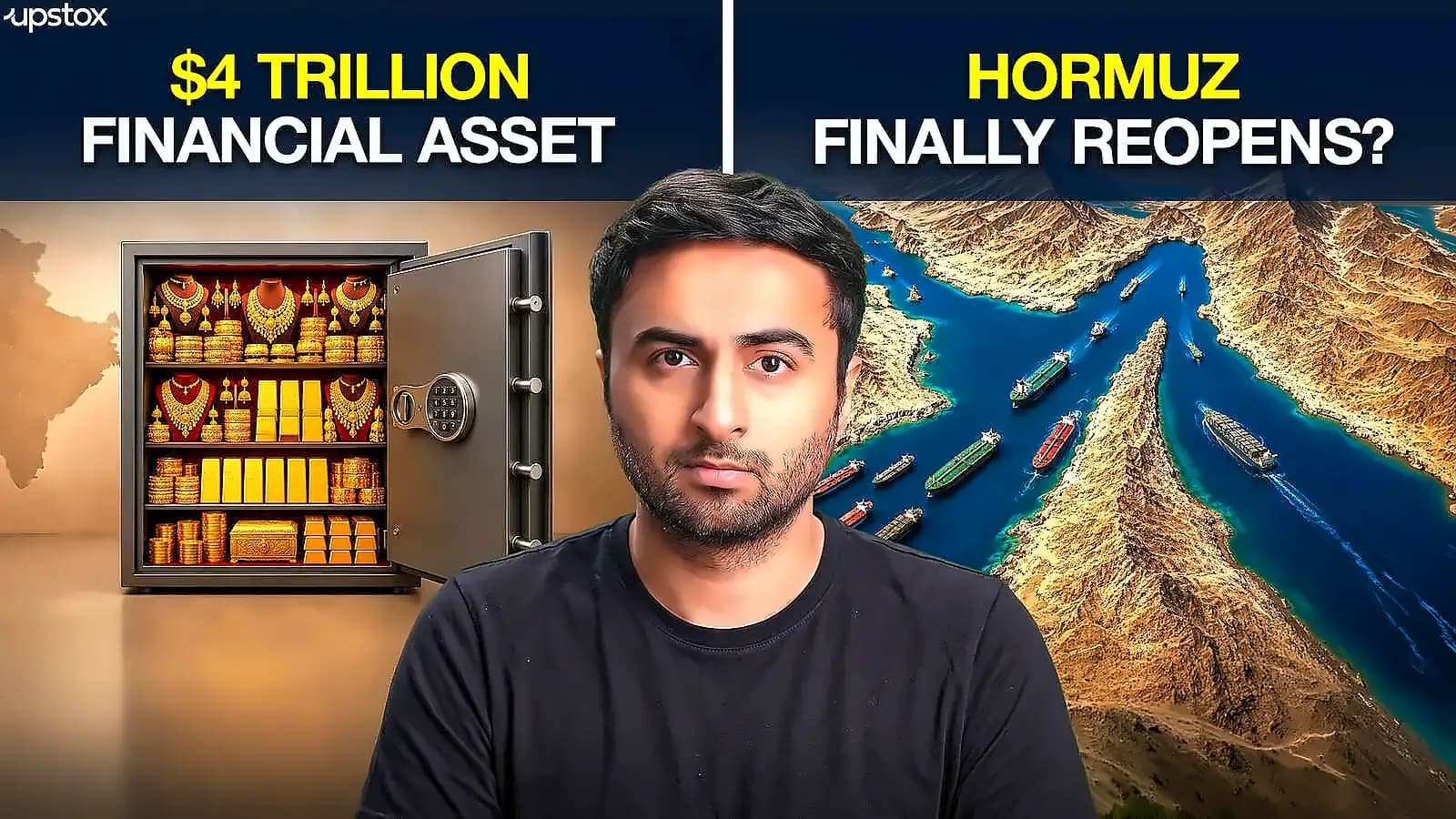
Indian households are estimated to hold gold worth nearly $4 trillion — roughly four times India's total stock market capitalization. According to reports from Upstox News Desk, with gold prices crossing $4,000 per ounce, policymakers and financial institutions are increasingly exploring ways to unlock this dormant wealth through gold-backed lending, monetisation and financialisation. The substantial value of this household gold stockpile represents a significant untapped economic resource that could serve as a potential growth engine for the Indian economy.
Companies such as Manappuram Finance, Muthoot Finance, Titan, Kalyan Jewellers and MCX could benefit if more household gold enters the formal economy. As reported by Upstox News Desk, these financial and jewellery sector companies are positioned to capitalise on the potential monetisation of household gold holdings. The formalisation of gold transactions could create new revenue streams and business opportunities across multiple sectors of the economy.
The NCLT approved Subhash Chandra's personal insolvency resolution plan, allowing repayment of just ₹6.25 crore against liabilities of ₹22,006 crore — implying a 99.97% haircut for lenders. According to Upstox News Desk, the resolution received majority creditor approval, but lenders including HDFC Bank and LIC Housing Finance have challenged the decision and are preparing to approach the NCLAT. The case could become a landmark precedent for India's personal insolvency framework, highlighting the complexities of debt resolution in the current economic environment.
Iran is reportedly laying out conditions to reopen the Strait of Hormuz, through which a significant share of global oil trade passes. As reported by Upstox News Desk, the demands reportedly include sanctions relief, compensation from the US and the lifting of restrictions linked to the blockade. Previous ceasefire attempts have failed, making markets cautious. Any sustained reopening could ease concerns around oil supply disruptions, freight costs and global energy prices, with implications for energy markets worldwide.