Indian Oil Corp (IOC), the country's top refiner, plans to 'slightly' reduce its Middle Eastern oil purchases under annual deals in 2027/28 as the Iran war has created uncertainty for supplies from the region, according to a source familiar with the matter. As reported by Reuters, the state-run refiner is expected to make a modest reduction in its annual contracted volumes from Gulf producers, marking a shift in IOC's procurement strategy. For the current financial year ending March 2027, IOC had originally planned to source about 47% of its crude imports from Middle Eastern producers under annual deals on a free-on-board basis, with the buyer bearing shipping costs after oil loading. The move reflects broader challenges facing Indian refiners who traditionally relied on the Middle East for more than half of their annual crude supplies, particularly heavier, high-sulphur grades due to the region's proximity.
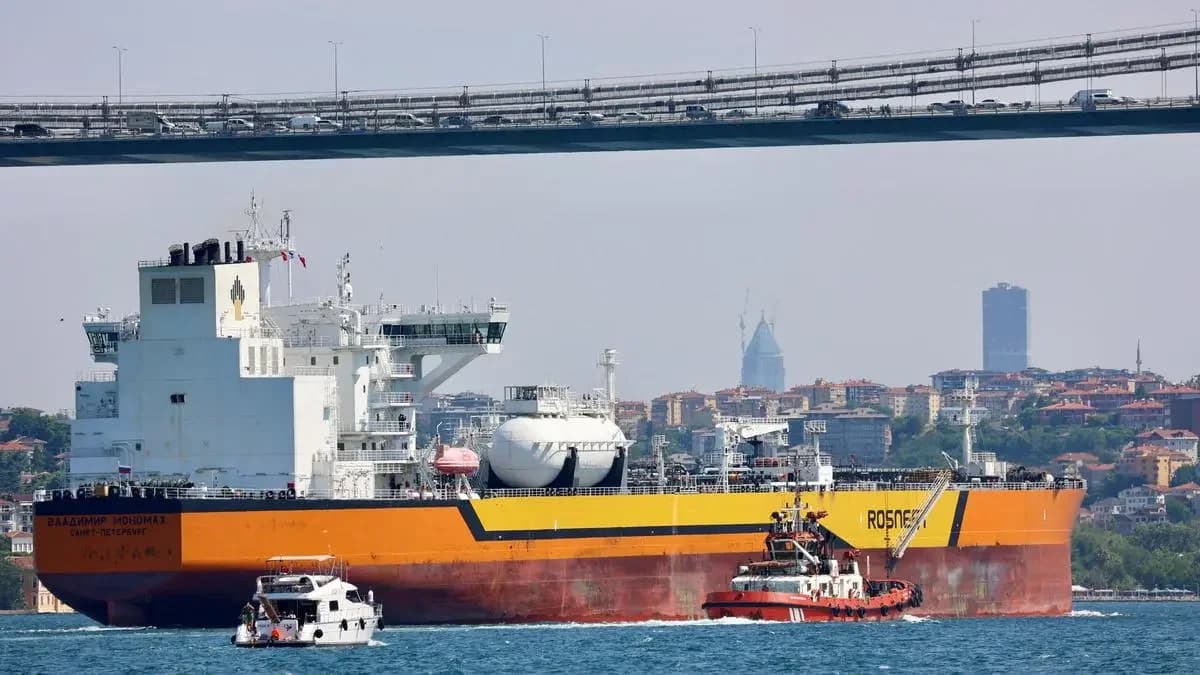
Disruptions to oil supplies from the region, as the Iran war enters its eighth month, have forced Asian refiners to suspend purchases under some annual deals, as reported by Reuters. Attacks on vessels transiting the Strait of Hormuz have restricted tanker availability and pushed freight rates close to record highs. According to The Hindu BusinessLine, freight rates doubled in July to September from the previous quarter, with the cost of shipping crude on a Suezmax tanker rising to about $9 per barrel from $3 to $4 in the June quarter. Refiners have instead turned to spot purchases, with some producers offering crude on a delivered basis and absorbing part of the elevated freight costs to attract buyers. The prolonged conflict has complicated traditional procurement arrangements that relied on the region's proximity and availability of heavier crude grades.
In recent months, some Indian refiners, including IOC, have bought Iraqi oil sold at a discount to the Dubai benchmark on a free on board basis, according to a source familiar with the matter. The Hindu BusinessLine reports that Hindustan Petroleum Corp (HPCL) is increasingly buying Middle Eastern crude on a delivered basis, as producers with stranded cargoes offer discounts to offset higher freight costs. HPCL's chair Vikas Kaushal noted that "For all practical purposes right now almost everything we are looking at is on landed basis except where we think we can send a ship and pick it up cheaper." The company previously sourced about half of its crude imports on a delivered basis, but is increasingly opting for this approach to avoid exposing its own vessels to attacks and other risks linked to the regional conflict.
Indian Oil in July issued a tender to buy a stake in at least two very large gas carriers, as reported by The Economic Times. However, the refiner has paused the plan to award the tender as costs have almost doubled to about $150 million for a 10-year-old vessel since it floated the tender, highlighting the challenges facing infrastructure investments amid current market uncertainties.
HPCL expects to start producing high-sulphur fuel oil at its 180,000-bpd Rajasthan refinery in December, according to its chair Vikas Kaushal. As reported by The Hindu BusinessLine, the refinery is currently operating at 60 per cent capacity and is expected to reach full capacity by end-December or early January. The company directly operates three refineries with a combined capacity of 670,000 barrels per day, positioning it as a significant player in India's refining sector amid the current supply disruptions and strategic shifts in procurement strategies.