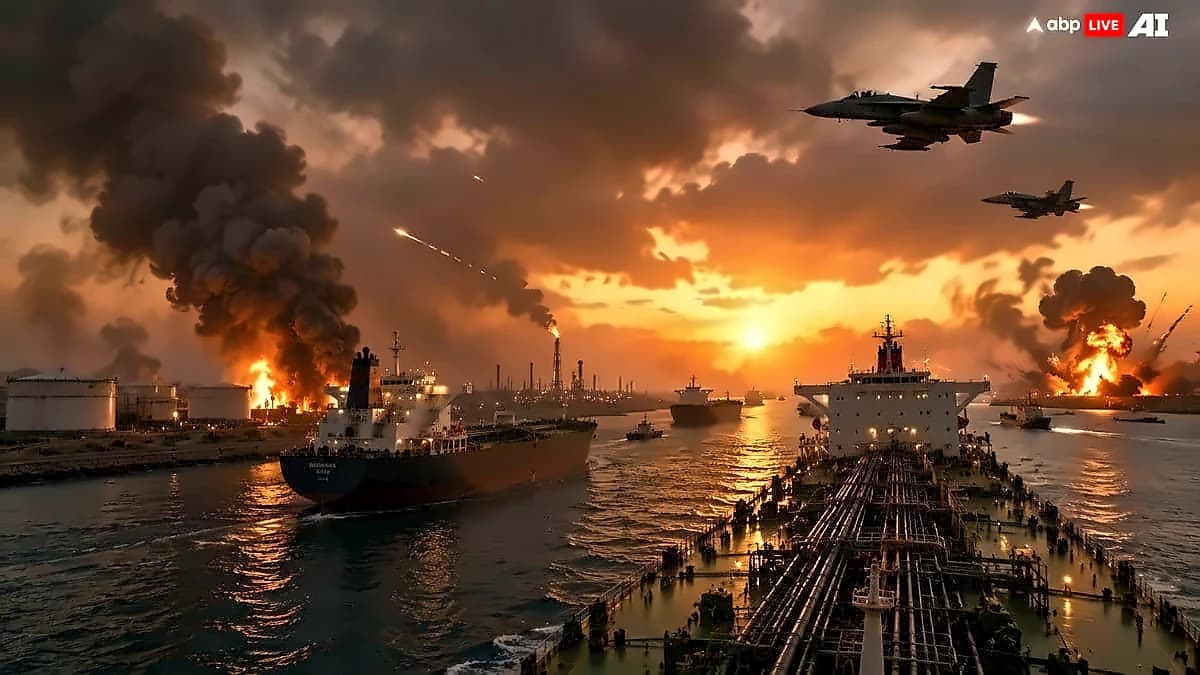
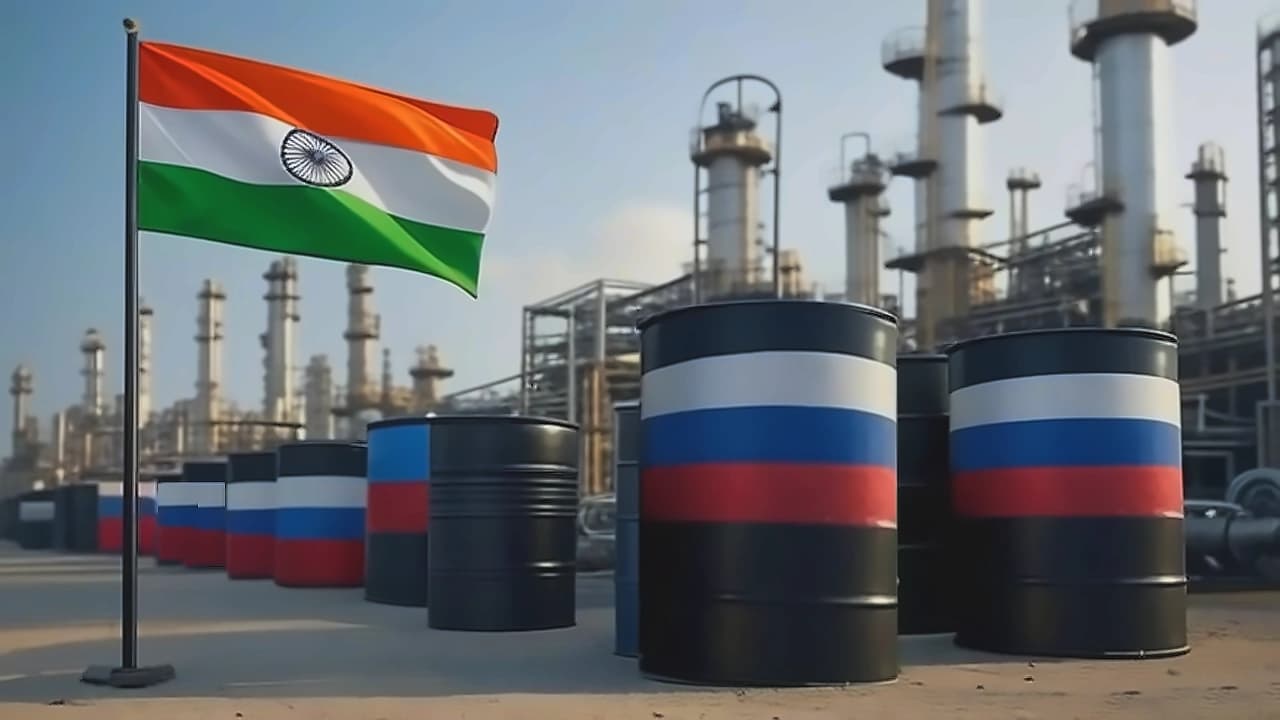
India has formally approached the United States seeking an extension of the current waiver that permits certain imports of Russian crude oil, according to multiple reports including Bloomberg and GKToday. The request comes as the Iran conflict, which began on February 28, 2026, continues to rattle global energy markets and raise concerns over fuel supply stability. The waiver, initially approved by the US in March and later expanded through an authorization valid until May 16, allowed Indian refiners to continue receiving already-loaded Russian cargoes. The arrangement was aimed in part at easing pressure on international oil prices by keeping additional crude supplies in circulation. According to Bloomberg, Indian officials have conveyed to their US counterparts that ensuring uninterrupted energy access remains critical as the conflict in West Asia shows no signs of easing.

The current crisis has been compounded by disruptions in the Strait of Hormuz for 75 days, which has significantly impacted global energy flows. As per GKToday, the Strait of Hormuz is a narrow maritime chokepoint between the Persian Gulf and the Gulf of Oman, serving as one of the most important routes for global crude oil and liquefied natural gas shipments. These disruptions affect tanker traffic, freight costs, and regional supply chains, creating additional pressure on energy markets. The Strait's closure has particularly affected 1.4 billion Indians who are already struggling with a cooking gas shortage, as reported by people familiar with the matter who asked not to be named as the conversations are not public.
Indian imports of Russian oil have been running at a record pace as refiners accelerate purchases before the current waiver expires. According to Kpler data, daily inflows have totaled an unprecedented 2.3 million barrels so far in May, as the waiver allowed imports of already-loaded Russian oil. Full-month flows are projected to reach a still-substantial 1.9 million barrels per day, demonstrating the scale of India's reliance on Russian crude during this period of supply uncertainty. In March, imports surged to around 2.25 million barrels per day, nearly double the levels seen in February, with Russian crude accounting for roughly half of India's total oil imports during this period. The surge in Russian oil purchases has been driven by the combination of US waiver deadlines and Middle East supply disruptions.
To address potential supply disruptions, Hardeep Singh Puri stated on May 14, 2026, that India held crude oil and LNG reserves for 69 days and LPG stocks for 45 days. This strategic reserve management demonstrates India's proactive approach to energy security amid the current crisis. The Iran conflict has also affected oil and fertiliser import costs for India, adding to the economic pressures from supply chain disruptions. While Russian crude is not subject to blanket sanctions, Washington has previously encouraged India to gradually reduce purchases of discounted Russian crude as part of broader pressure on Moscow over the Ukraine war. The current request for waiver extension reflects India's strategic need to maintain energy security amid ongoing geopolitical tensions and supply chain disruptions in the Persian Gulf region.
The crisis has also affected India's broader energy relationships, with India declining Russia's offer to supply liquefied natural gas cargoes subject to US sanctions during Pavel Sorokin's visit to New Delhi on April 30, 2026. This decision reflects India's careful navigation of competing pressures from the US and Russia. The Brent crude prices rose from 80 to 120 per barrel between March 2 and 9, 2026, highlighting the dramatic impact of geopolitical tensions on global energy markets. As of late April, India's Russian crude imports remained elevated despite sanctions pressure and Gulf supply disruptions, with India emerging as one of the largest buyers of Russian crude since 2022 and currently the second-largest importer after China.