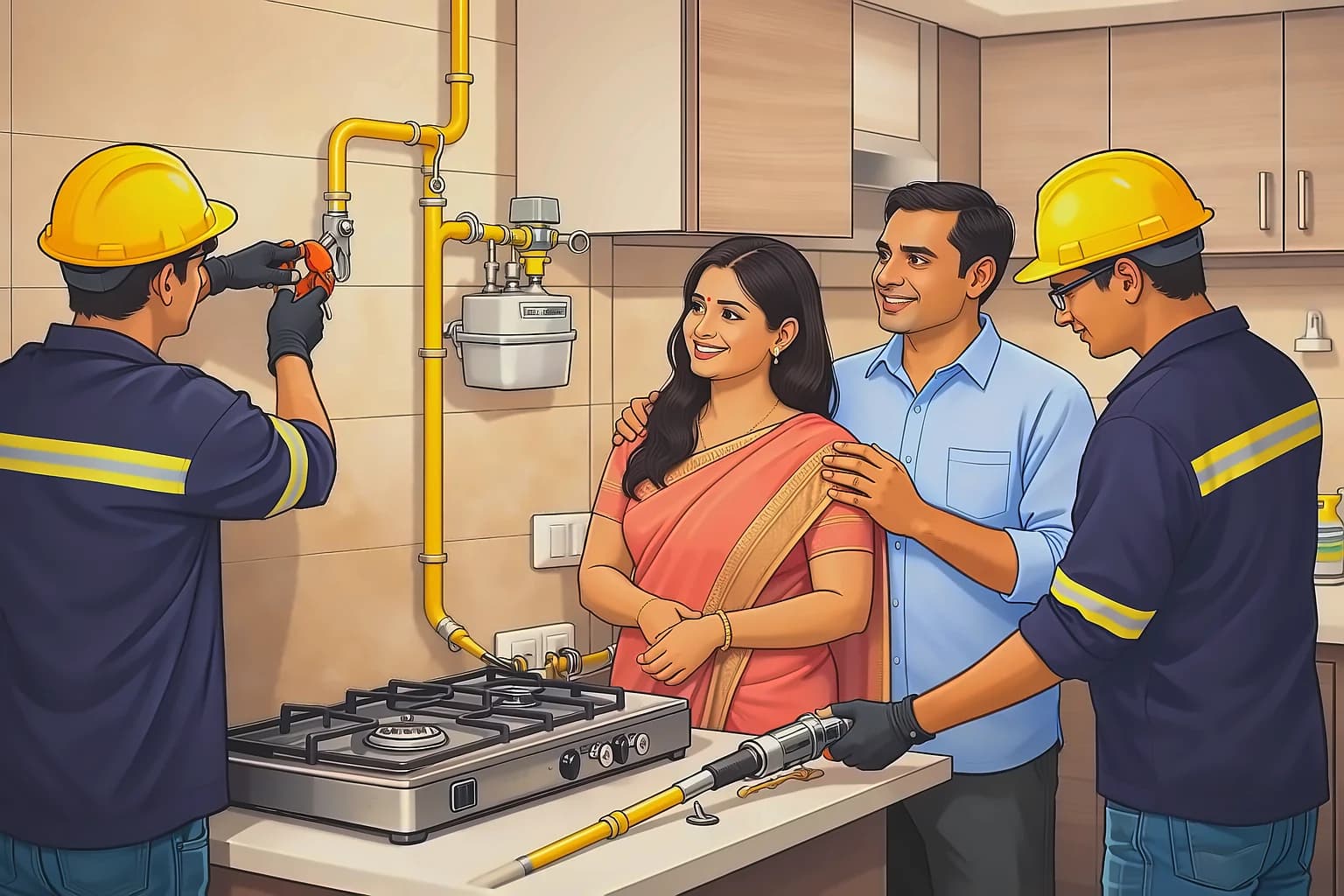
India is witnessing unprecedented growth in piped natural gas (PNG) adoption, with over 4.24 lakh new connections activated since March 2026 alone. According to The Times of India, PNGRB chairperson Anil Kumar Jain reported that more than 10,000 households per day are now connecting to PNG systems, marking a significant acceleration in recent months. Indraprastha Gas Limited (IGL) managing director Kamal Kishore Chatiwal highlighted that connection speeds have tripled from pre-war levels of 3-4 thousand connections to current rates of 10-12 thousand daily. The latest data shows more than 30,000 consumers have surrendered LPG connections as part of the transition to PNG.
The six-week-long war in West Asia has disrupted global energy supply chains, with India particularly vulnerable due to its heavy dependence on Middle Eastern imports. As reported by The Times of India, India relied on import of half of its crude oil, 40 per cent of its gas and 85-90 per cent of LPG from the region, all of which have been impacted by the conflict. While the country has managed to offset crude oil shortfalls by sourcing from other regions, LPG supplies have been affected significantly. The government has prioritized LPG supply to domestic households, reducing supplies to commercial users such as hotels and restaurants to ensure adequate household availability.
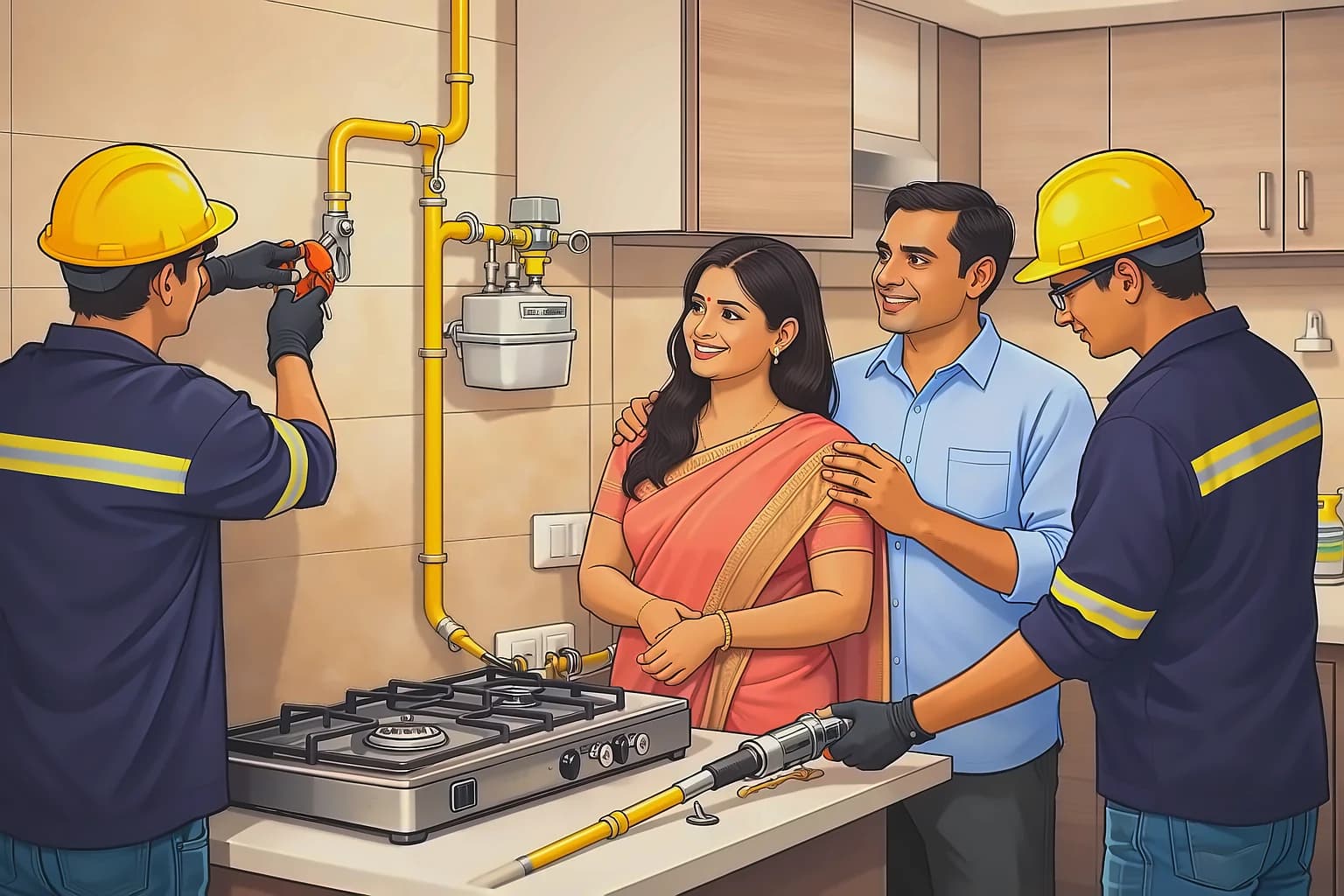
To manage fuel availability amid Middle East disruptions, India has stepped up supply of smaller 5-kg LPG cylinders with more than 13 lakh free trade cylinders sold since March 23. According to The Times of India, daily sales have crossed 1 lakh units in recent weeks, compared to approximately 77,000 5-kg cylinders per day in February before the crisis. Domestic LPG supplies remain stable with over 52 lakh cylinders delivered on April 11, while online bookings account for about 98 per cent of demand with delivery authentication systems covering 93 per cent of transactions to curb diversion.
The government has implemented targeted supply prioritization to manage the energy crisis effectively. As reported by The Times of India, commercial LPG availability has been restored to about 70 per cent of pre-crisis levels through targeted allocations and increased supply measures. State-run oil marketing companies are coordinating with state governments to streamline distribution, while government has prioritized natural gas allocation ensuring full supply for household PNG and CNG transport. The government has also increased supplies to fertiliser plants to about 95 per cent of recent average consumption, aided by additional LNG imports, demonstrating strategic resource allocation during the crisis.
Companies have introduced several affordability schemes to boost PNG adoption, including one rupee per day schemes and ₹500 worth of free gas for consumers paying ₹6,000, which has been extended until June. According to The Times of India, EMI options are also available for consumers who cannot afford the full upfront payment. Chatiwal urged households using both LPG and PNG to fully surrender their LPG connections due to adequate PNG supply availability and system stability. City gas distributors including Indraprastha Gas Ltd, Mahanagar Gas Ltd, and GAIL Gas Ltd have been directed to prioritize PNG connections for commercial users as part of the broader push to shift demand away from LPG.