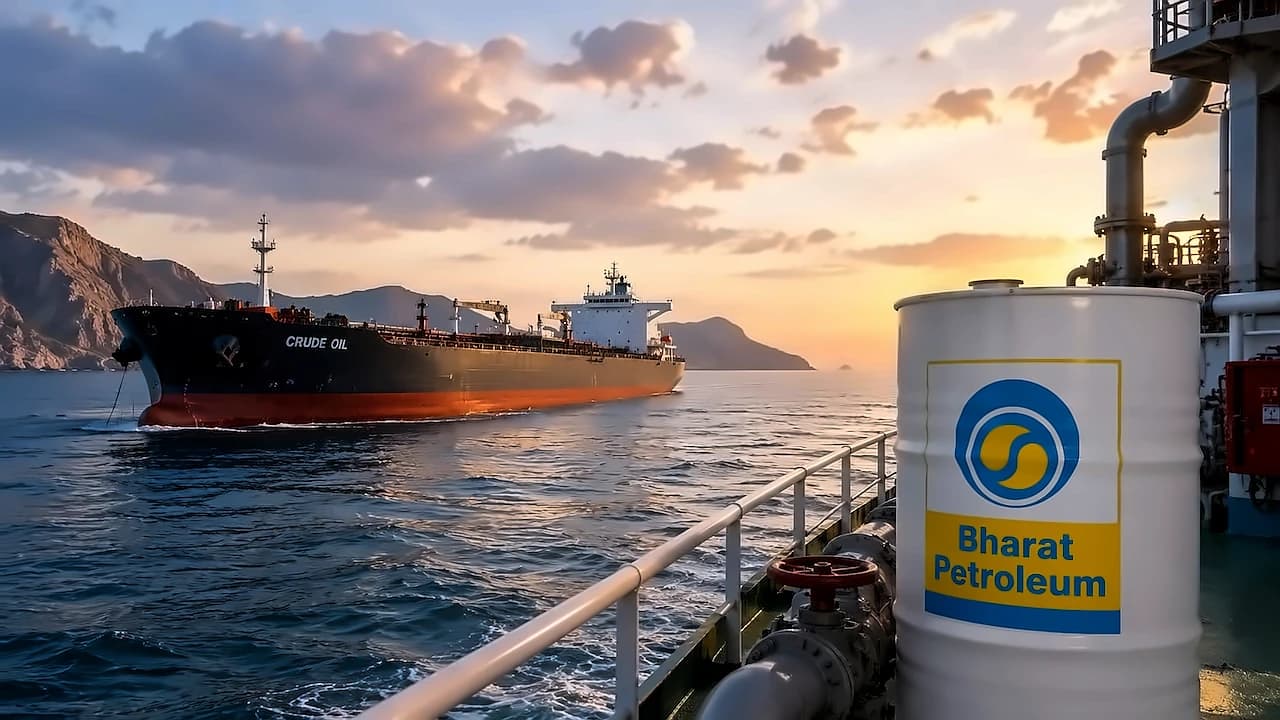
State-run oil marketing companies are developing plans to build a 30-day strategic LPG reserve as the Centre strengthens India's energy security following the Middle East conflict. According to reports from The Economic Times, Bharat Petroleum Corporation Ltd (BPCL) is preparing to invest approximately ₹5,000 crore to nearly double its LPG storage capacity to 340 thousand metric tonnes (TMT) from around 200 TMT. Similar expansion plans by Indian Oil Corporation (IOC) and Hindustan Petroleum Corporation Ltd (HPCL) are still being finalized. This initiative aims to enhance energy security by diversifying import sources and exploring various storage solutions, including onshore, underground, and floating options.
The storage expansion gained urgency after the Iran conflict highlighted India's dependence on Middle Eastern supplies. As reported by The Economic Times, India imports nearly 60% of its LPG, with about 90% of those imports passing through the Strait of Hormuz, one of the world's busiest energy shipping routes. During the height of the conflict, India was forced into a diplomatic scramble to keep energy flowing from the Middle East, including reaching out to Iran and its military to request tankers carrying LPG be allowed to transit the Strait of Hormuz. Top oil ministry officials also worked the phones, calling senior figures in Persian Gulf countries to ensure fuel supplies. State refiners are now pivoting away from Middle Eastern oil contracts following the Iran war's supply disruptions, planning to boost spot market purchases and forge deals with trading houses for diversified sourcing.
According to data from the Petroleum Planning and Analysis Cell (PPAC), India currently operates 214 LPG bottling plants with a rated bottling capacity of about 23.04 million metric tonnes per annum (MMTPA). LPG storage at bottling plants provides 4-7 days of cover, with the all-India average at five days. Across all storage facilities, including import terminals and other sources, LPG stocks provide an average 18 days of cover, though this ranges between 8 and 30 days.
The proposed strategy could combine expanded onshore storage, underground caverns and floating storage in Indian waters. As reported by The Economic Times, OMCs are looking to diversify imports through long-term contracts with suppliers in the US, while increasing purchases from Europe and Russia. India's External Affairs Minister S Jaishankar visited the United Arab Emirates in April, followed by Prime Minister Narendra Modi a few weeks later. Ajit Doval, the national security adviser, made a trip to Saudi Arabia the same month, while Oil Minister Hardeep Puri visited Qatar to seek supplies. The change to India's oil-buying strategy would mark one of the biggest shifts in years, requiring balancing energy security needs while keeping crude-purchasing costs in check. Even before the war, Indian Oil was working toward setting up a trading desk in partnership with Vitol Group, a sign the country's largest state refiners are seeking to modernize its procurement.
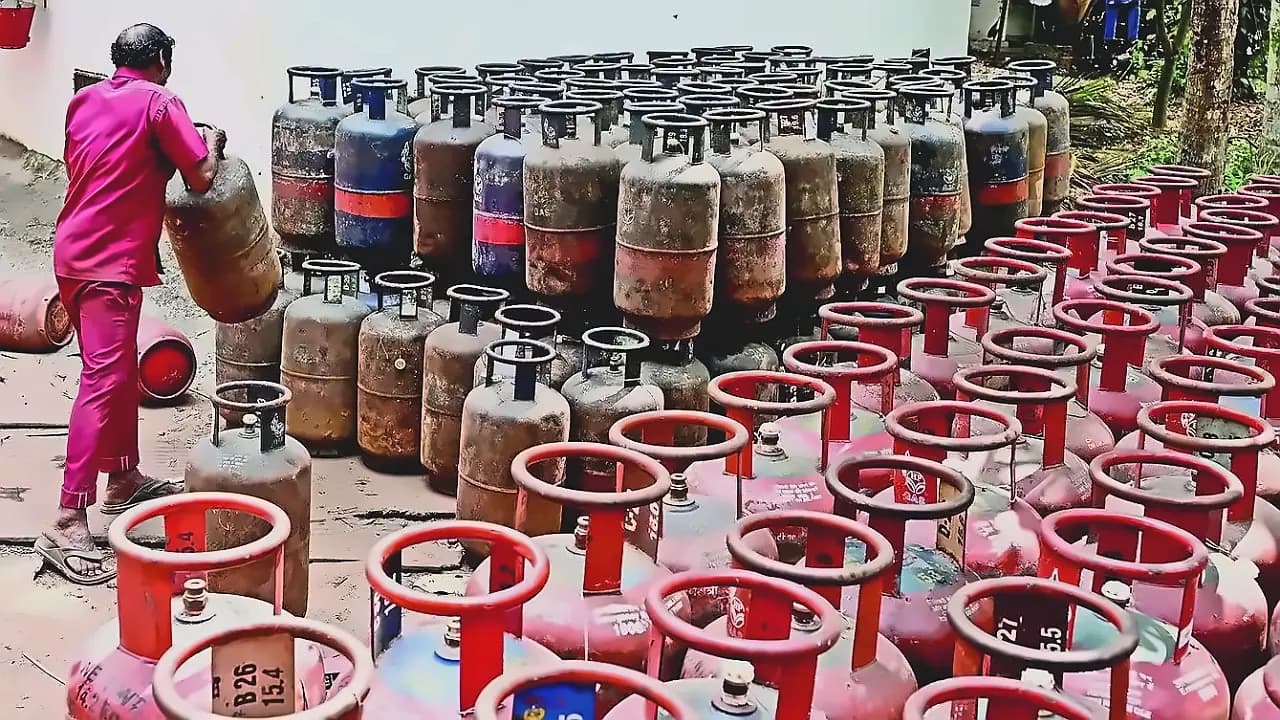
India is planning to build strategic reserves of crude, LPG and liquefied natural gas that are large enough to meet as much as a month of domestic demand. The oil ministry has set up a committee to study details, including operating models and potential locations for energy supplies. The nation is also planning to reduce its reliance on the Middle East for energy imports, with state refiners pivoting away from Middle Eastern oil contracts following the Iran war's supply disruptions. Options under consideration include more immediate deals and supply arrangements with trading houses that source crude from multiple regions, allowing for steady deliveries even in the event of another major disruption. This strategic shift aims to secure energy supplies and mitigate losses, with new avenues opening from Guyana, Brazil, and the US.