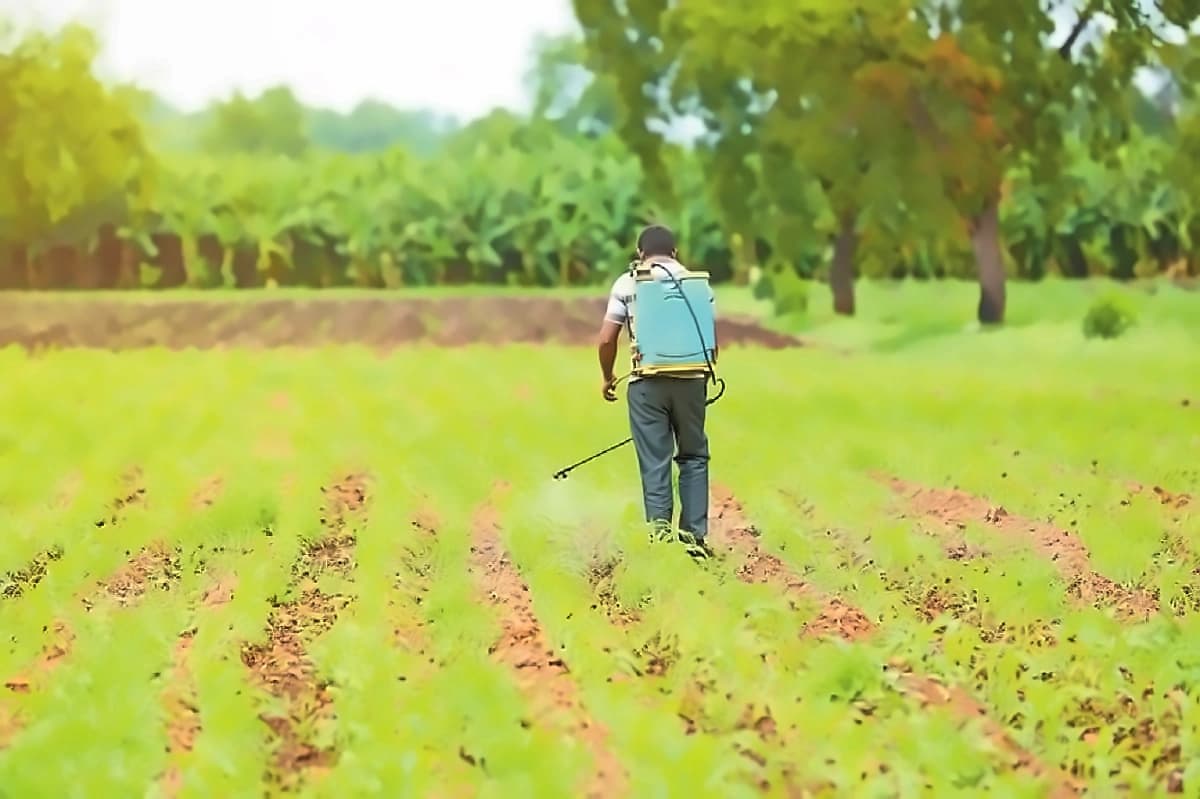
The central government has proposed a ban on widely used plant protection chemical carbosulfan over its alleged toxic effects on human and animal health and the absence of any known antidote in the event of accidental poisoning. According to an official notification issued by the Ministry of Agriculture, the committee constituted on January 14, 2026, submitted its report on June 12, 2026, recommending a complete prohibition of carbosulfan in India. The panel noted that carbosulfan is an intrinsically highly hazardous carbamate insecticide which is rapidly metabolised to carbofuran, a highly toxic metabolite responsible for severe cholinesterase inhibition and acute systemic toxicity. The proposed ban covers manufacture, import, transport, distribution, sale, and use of the insecticide under the Insecticides Act, 1968.
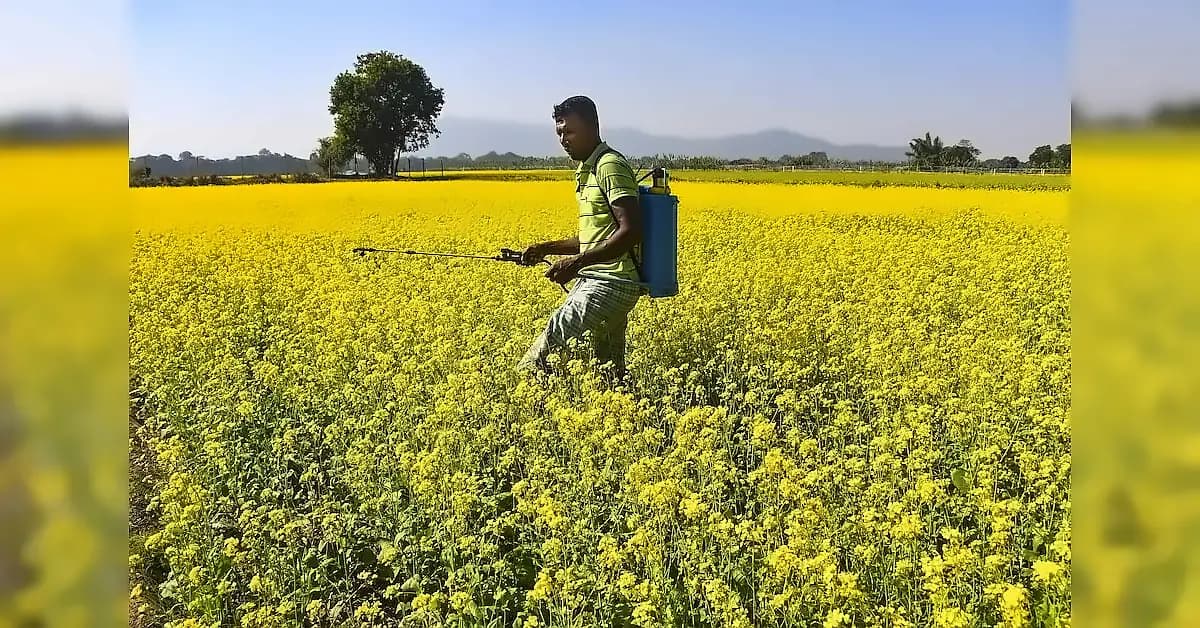
Industry estimates suggest the domestic market for carbosulfan-based products in India is worth approximately ₹250-400 crore annually across technical and formulation sales. The plant protection industry has raised significant concerns about the proposed ban, stating that carbosulfan had remained an important insecticide for Indian agriculture due to its effectiveness against a wide spectrum of economically damaging pests. According to industry officials, carbosulfan is commercially available in formulations such as carbosulfan 25 per cent EC and seed-treatment formulations, with recommended usage generally ranging between approximately 400-800 ml per acre depending on crop, pest incidence and formulation type. The proposed ban on carbosulfan reflects the government's widening safety scrutiny on hazardous chemicals, similar to earlier plans to restrict paraquat, and could disrupt pest management for crops like rice and cotton.
Current registrations granted by the Central Insecticides Board and Registration Committee include the use of carbosulfan in rice for gall midge, stem borer, leaf folder, white-backed plant hopper (WBPH), brown plant hopper (BPH) and green leaf hopper (GLH); in cotton for aphids and thrips; in cumin and chilli for sucking pests; and in brinjal for shoot and fruit borer. The molecule is also used as a seed treatment in cotton and has emerged as an important tool for managing gall midge outbreaks in southern and eastern rice-growing regions. According to industry data, carbosulfan is classified under WHO Toxicity Category II and several scientific studies have shown it is not carcinogenic, mutagenic, teratogenic, a reproductive toxin or an endocrine disruptor. The proposed ban on carbosulfan introduces regulatory friction for companies like UPL, which operates a highly diversified international crop protection portfolio, though the company's overall scale mitigates concentrated geographic and product risks.
The carbosulfan molecule supports a significant domestic agrochemical ecosystem, with more than 30-50 companies associated directly or indirectly with carbosulfan technical manufacturing, formulation, repacking, distribution and marketing activities. The Indian agrochemical sector itself is highly fragmented, with thousands of formulation units and more than 65,000 entities operating across the pesticide value chain. Industry officials emphasized that insecticides account for 41-55 per cent of the Indian crop protection market, highlighting the critical importance of effective insect management tools for Indian agriculture. The draft order proposing the ban will remain open for public comments and suggestions for 30 days from the date the draft notification is made available to the public. The prohibition of carbosulfan will likely push farmers toward costlier or less-established alternatives, potentially increasing cultivation costs for major kharif crops like paddy and cotton.