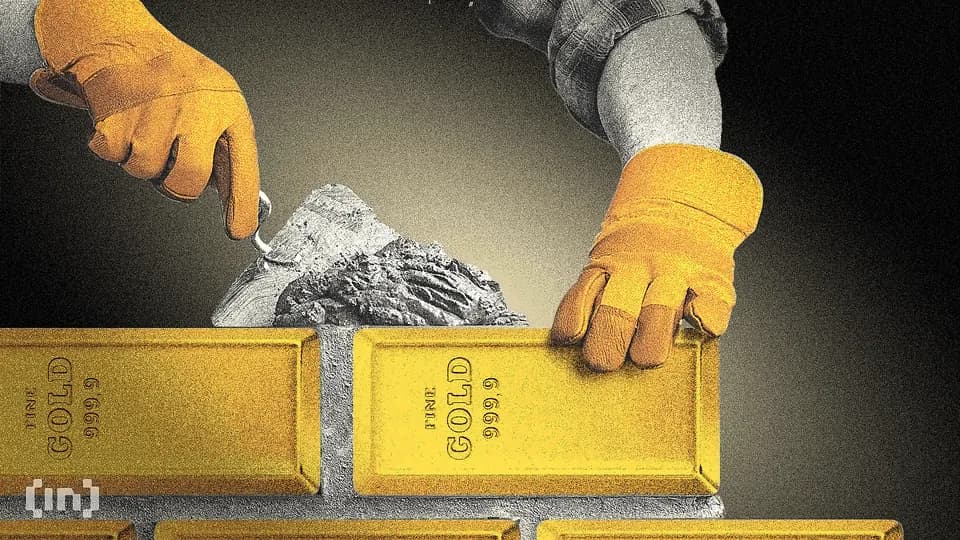
Gold is currently trading below the $4,600 level amid short-term headwinds including inflation expectations, interest rate uncertainty, and a stronger U.S. dollar. However, as per latest market analysis, gold is showing a short-term rebound on the four-hour chart, with MACD lines and volume bars expanding near the zero axis. The precious metal remains highly sensitive to market expectations surrounding Federal Reserve policy, with potential for recovery if market consensus shifts toward a more dovish stance even if interest rates remain unchanged in the short term. Money markets are currently waiting for a meaningful peace agreement between the U.S. and Iran before repricing expectations for future rate cuts.
According to BloFin Research, gold's current rally is built on a sequential expansion of structurally distinct buyer classes - sovereign, institutional, and crypto-native - each adding demand without displacing prior layers. This contrasts sharply with previous gold cycles where price strength depended on a single dominant category of buyer. The research identifies three overlapping demand phases that have developed independently, creating a durable foundation for sustained gold price appreciation. Rising global government debt levels and long-term depreciation pressure on the U.S. dollar continue to support precious metals structurally, with structural currency debasement potentially re-emerging as a long-term theme as fiscal pressure intensifies.
As reported by BloFin Research, central banks purchased above 1,000 tonnes annually for three consecutive years (2022–2024), establishing a sovereign demand floor that preceded the return of Western investment flows. This represents a dramatic escalation from the prior single-year record of around 610 tonnes in 2013. The structural characteristics of central-bank demand explain why this created a durable floor rather than a temporary spike, as purchases are driven by portfolio rebalancing and de-dollarisation objectives, not price momentum. In 2025, purchases moderated to 863 tonnes (by World Gold Council), still above historical averages, with Poland leading disclosed buying and significant unreported accumulation across multiple jurisdictions.

According to BloFin Research, the second phase began in 2025 with ETF holdings increasing by approximately 801 tonnes globally, bringing total gold demand to exceed 5,000 tonnes for the year. Bar and coin demand reached multi-year highs across multiple regions as the rally transitioned from narrow to broad-based participation. Global Gold ETFs constitute approximately 0.17% of U.S. private financial assets, significantly below historical norms of 1–2% of assets under management. This under-allocation gap implies several hundred additional tonnes of ETF inflows per year without any change in central-bank demand, suggesting substantial room for expansion within the existing institutional buyer set. Institutional investors are increasingly recognizing that lacking gold exposure weakens diversification benefits, with gold's role gradually evolving from a traditional safe-haven asset into a partial alternative to fixed income amid rising bond market volatility.
As reported by BloFin Research, a third demand layer has emerged within crypto-native financial infrastructure through tokenized gold (35–40 tonnes, $6B+ market) and stablecoin reserves (Tether $20B). Tether's USDT is backed by a diversified reserve pool of approximately $190B, with 10% allocated to gold and 3.5% to Bitcoin, representing a deliberate policy choice outside US stablecoin legislation. The tokenized gold market has doubled in quantity over the past half year, with products like Paxos Gold (PAXG) and Tether Gold (XAUT) converting gold into programmable collateral for DeFi lending protocols and yield-bearing structures. These yield-bearing products allocate capital into tokenized gold, hedge price exposure via futures, and generate yield from futures roll and lending of tokenized gold positions, transforming gold from a passive store of value into productive collateral.