BSE Ltd and MMTC-PAMP India Private Ltd have signed an agreement to jointly develop and expand India's Electronic Gold Receipts (EGR) market, marking a significant step toward formalising the country's gold trading ecosystem. Under the partnership, BSE will launch EGR contracts in multiple denominations and enable seamless conversion between physical gold and electronic receipts. MMTC-PAMP, India's only London Bullion Market Association (LBMA)-accredited gold and silver refiner, will contribute its expertise in bullion refining, assaying and EGR creation and redemption processes. The collaboration will target joint stakeholder engagement, knowledge-sharing and market development programmes, with both parties aiming to deepen liquidity, broaden investor participation and support the migration of gold transactions from informal to regulated markets.
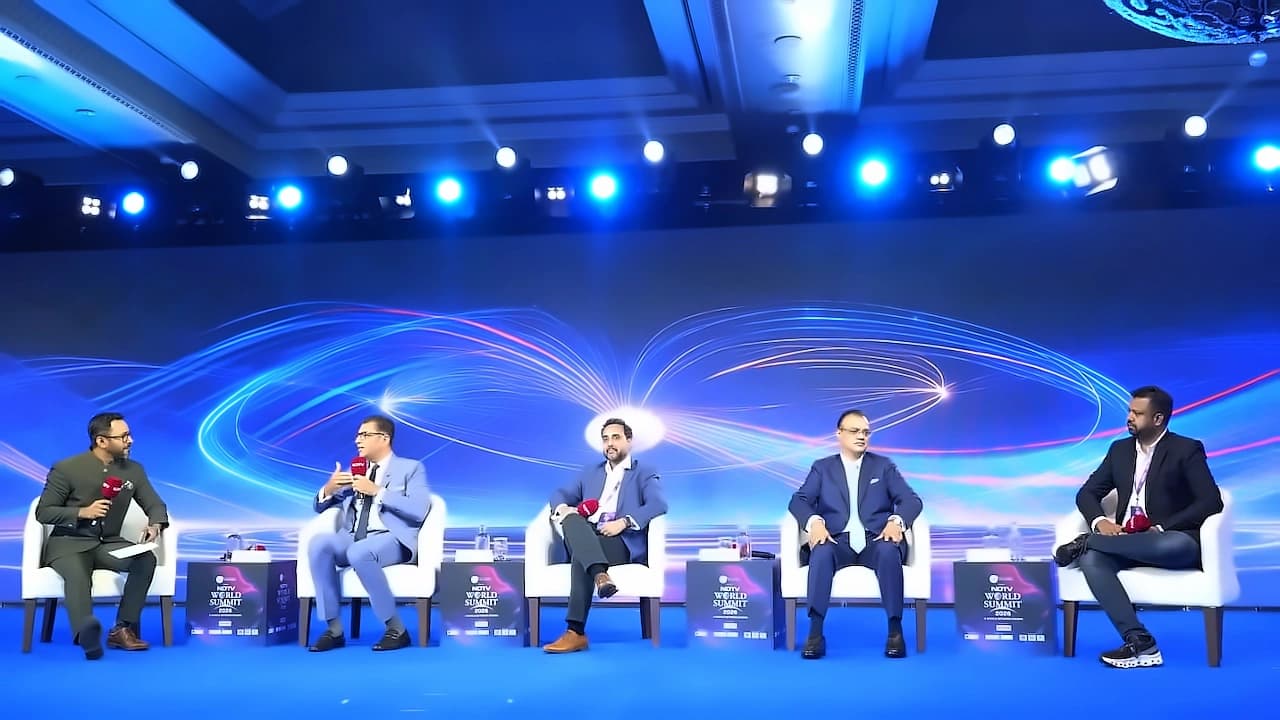
Gold's role in global finance has undergone significant transformation, with more than 40% of gold demand last year coming from financial applications, according to World Gold Council's regional CEO Sachin Jain. Speaking at the NDTV World Summit, Jain highlighted that gold worth $6 trillion was traded during this period, representing a substantial shift from traditional uses. This diversification reflects gold's evolving function beyond traditional central bank reserves and monetary anchors to include financial instruments and digital applications. As Jain noted, gold should be viewed as a long-term asset with distinct possibilities for future development.
EGRs are SEBI-regulated, exchange-traded securities that allow investors to hold gold in dematerialised form within demat accounts. BSE, the first Indian exchange to introduce EGR trading, currently offers contracts in denominations of 100 mg, 1 gram and 10 grams at fineness levels of 999 and 995. The initiative aligns with broader policy goals of reducing India's dependence on gold imports by mobilising domestically held gold, improving price transparency and positioning India as a global bullion trading hub with a greater role in international gold price formation. India is among the world's largest consumers and holders of gold, making this partnership particularly significant for the country's financial infrastructure.
The changing global landscape is creating new opportunities for gold's role in international finance, as noted by Mashreq India's Country Head and CEO Tushar Vikram. According to Vikram, the world is becoming increasingly multipolar, leading to new negotiations around trade and currencies. This shift is particularly relevant to India's financial landscape, with Vikram referencing the RBI's Special Rupee Vostro Account (SRVA) framework that enables trade settlement in rupees, potentially expanding gold's role in regional financial systems. Vikram also touched upon the internationalisation of the Indian rupee, highlighting the evolving landscape for precious metals in global trade.
Advanced technology solutions are being developed to enhance gold's accessibility and utility in modern financial systems. As reported by Jain, tokenisation could make gold more accessible, fungible and authentic, helping bridge the gap between physical ownership and digital finance. This technological approach represents a significant evolution from traditional gold storage and trading methods, potentially expanding gold's role in global financial infrastructure. Jain sees some distinct possibilities for Gold's future including mining more of the yellow metal in India, advancing gold tokenisation and strengthening India's position as a jewellery manufacturing hub for global markets.