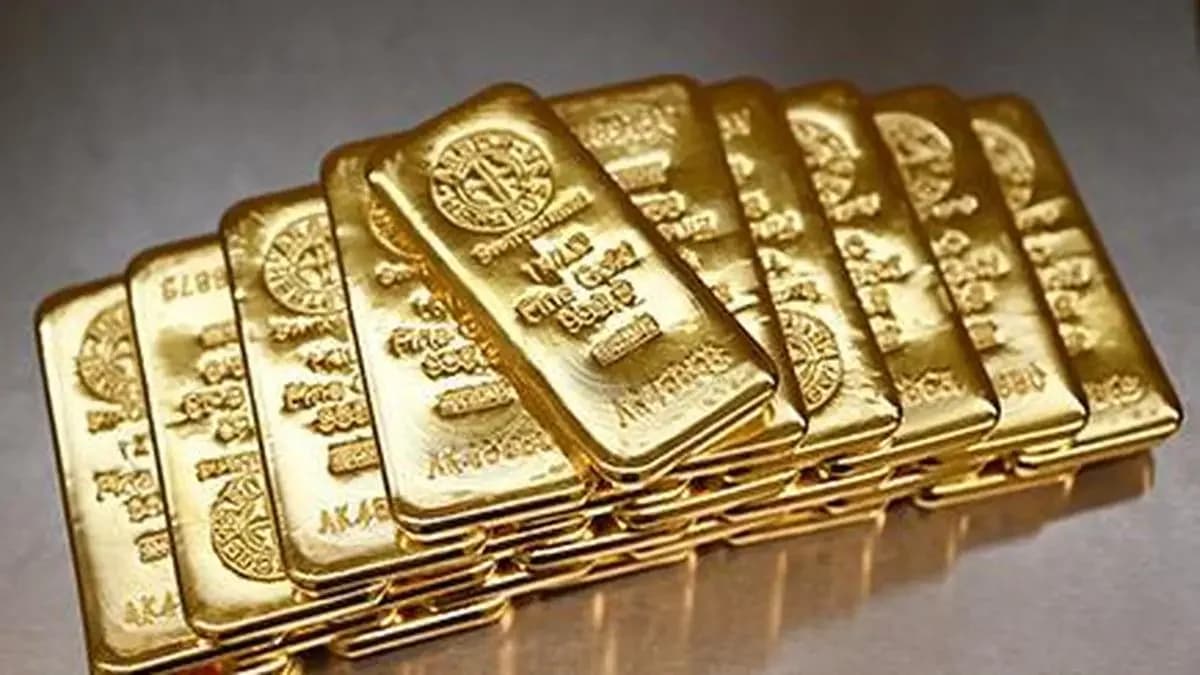
Gold prices extended their recovery rally with COMEX gold futures climbing $90 per troy ounce to an intraday high of $4,215, while silver futures advanced $2.73 per troy ounce to $63.73. Gold ended last week 0.72% higher, rebounding 4.3% from the week's low, marking its first weekly advance after four consecutive weeks of losses. Silver surged 3.11% during the week, snapping a seven-week losing streak. However, on the Multi Commodity Exchange (MCX), gold futures (August 5) touched an intraday high of ₹1,47,509 per 10 grams before giving up gains to trade around ₹1,46,600, while silver futures (September 4) climbed to an intraday high of ₹2,37,934 per kg before easing to ₹2,35,339. According to commodity market experts, gold remained steady near a two-week high and continued to trade above its key short-term moving averages, indicating underlying strength.
The recent price recovery has been primarily driven by dismal U.S. employment data and expectations that the U.S. Federal Reserve will have to cool its hawkish stance. As noted by ET Now, the probability of further rate increases has dropped below 50% according to the CME FedWatch Tool, down from more than 60% earlier. Investor demand for safe-haven assets strengthened after US hiring slowed sharply in June, signalling that the labour market continues to face challenges despite showing resilience in recent months. The softer labour market is expected to reduce pressure on the Fed to raise interest rates at its July policy meeting. Markets are now pricing in a 56% probability of a Fed rate hike in September, down from around 64% before the release of the June jobs report. Comments by Federal Reserve Chair Kevin Warsh last Wednesday, indicating that inflationary risks had eased, also helped calm concerns over further rate hikes.
International benchmark Brent crude slipped 0.76% or 55 cents to $71.55 per barrel, while US West Texas Intermediate (WTI) crude declined nearly 1% or 68 cents to trade below $69 per barrel. The decline in oil prices came after OPEC+ agreed to raise its production targets for August, easing concerns over global supply shortages. Crude prices, a key driver of inflation at the beginning of the US-Iran conflict, saw their biggest quarterly slump since 2020 as energy flows through the Strait of Hormuz picked up following an interim peace deal between the US and Iran. Oil dropped on Monday as more tankers moved through the Strait of Hormuz and OPEC+ signaled higher supplies, releasing some of the inflationary pressure that has weighed on non-yielding gold. The combination of easing inflation concerns and renewed optimism around US-Iran geopolitical developments continues to support gold's safe-haven appeal.
Immediate resistance is seen at ₹1,48,750 per 10 grams for gold, with a breakout above this level likely to accelerate the upward momentum. According to commodity market experts, gold remained steady near a two-week high and continued to trade above its key short-term moving averages, indicating underlying strength. Silver, despite opening lower, also continued to trade above its short-term moving average and could move towards the next resistance level of ₹2,45,184 per kg. The US Dollar Index rebounded during Monday's trade, climbing above the 101 mark against a basket of major currencies, though it remained close to a three-week low after posting its biggest weekly decline since April. The weaker US jobs report weighed on the greenback, providing additional support to precious metals.
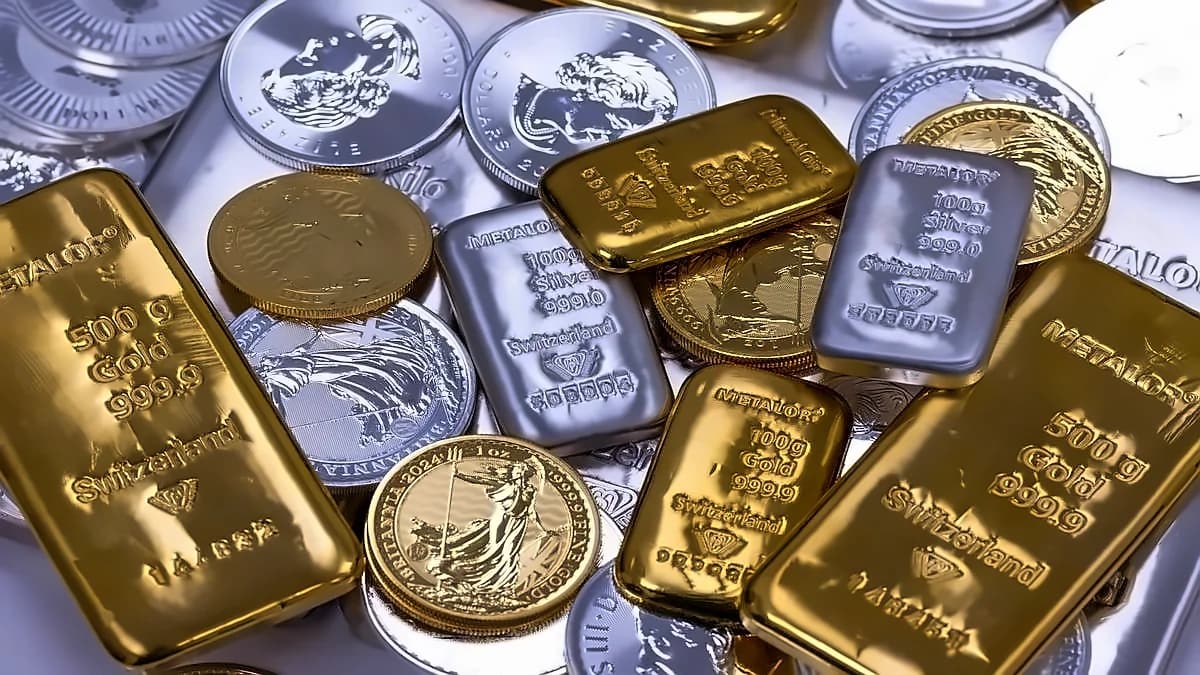
Central bank buying remains a solid pillar supporting gold prices, with the World Gold Council's latest survey results showing that a record 45% of foreign reserve managers expect to increase their gold holdings over the next 12 months. This is reinforced by the June 30 OMFIF survey of 90 central banks and sovereign wealth funds, which found a historic first: more institutions plan to cut dollar allocations than increase them, with a net 30% planning to add gold within two years. The World Gold Council noted that central banks have bought an average of 1,000 tonnes per year since 2022, with an additional 20-30 tonnes increase in reserves above the long-term average of ~600 tonnes per year should translate into roughly a 1% increase in the gold price. Goldman Sachs revised its central bank demand model after finding UK trade data had understated London vault outflows since August 2025, lifting its sovereign purchase estimate to 60 tonnes per month, up from 29 tonnes.