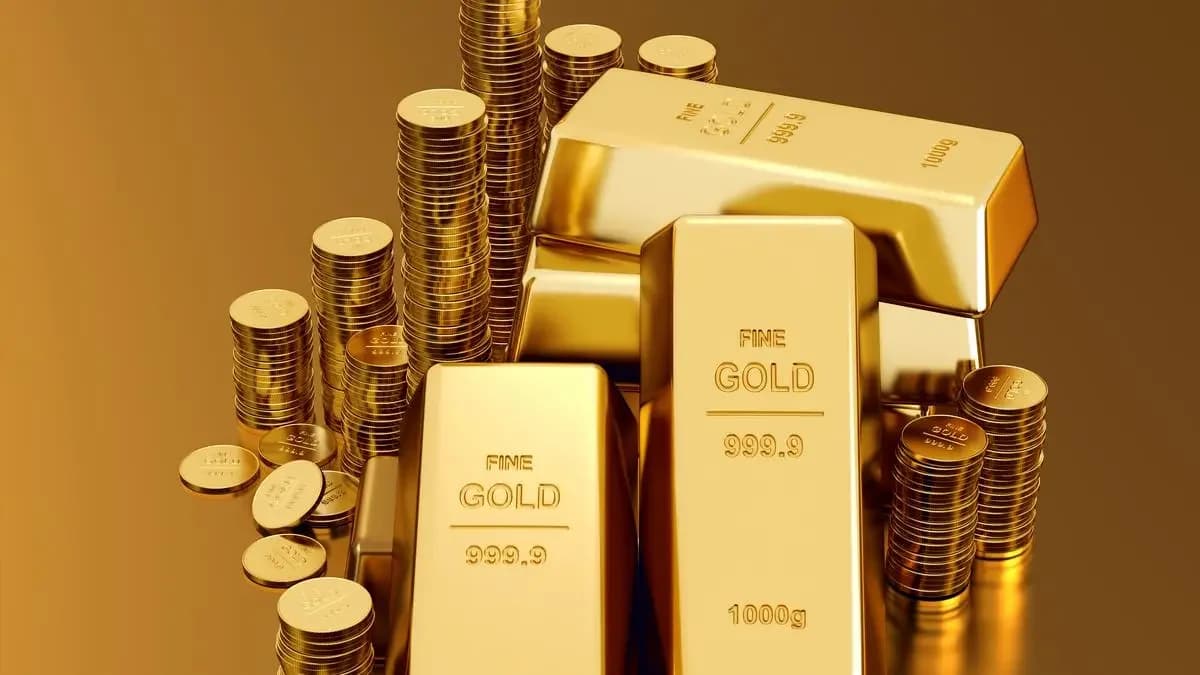
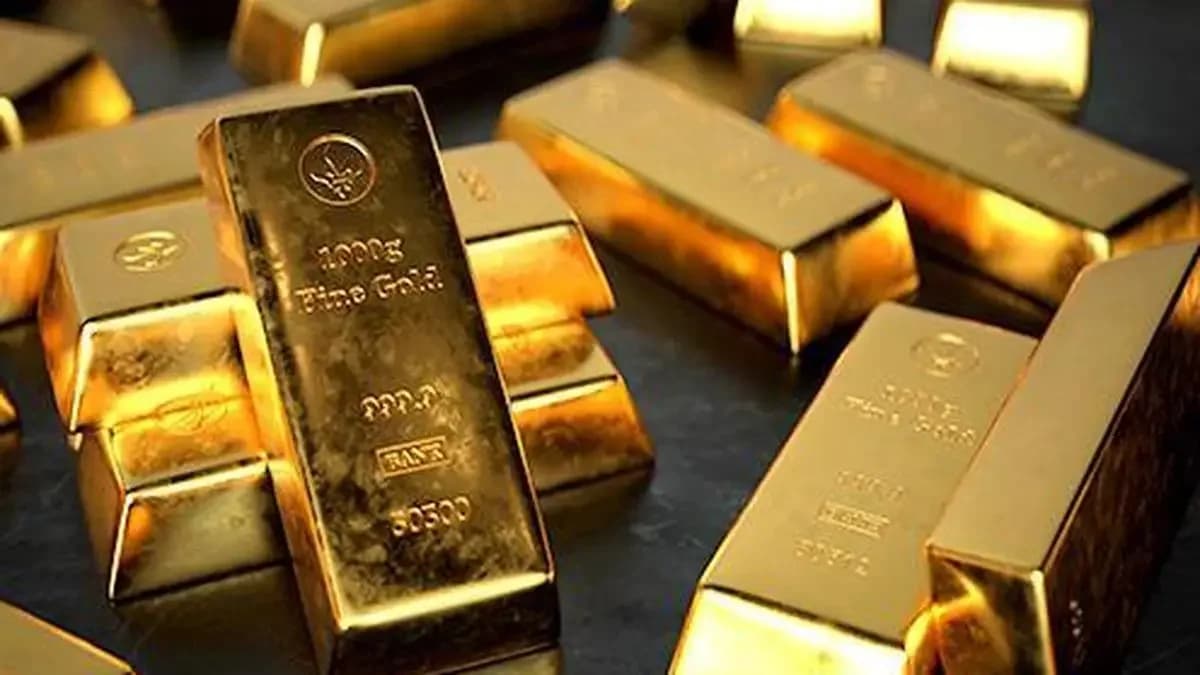
Gold prices gained momentum on Thursday, with spot gold rising 0.3% to $4,414.28 per ounce as of 0419 GMT, while US gold futures for December delivery fell 0.1% to $4,457.20. According to The Hindu BusinessLine, the precious metal's strength was primarily driven by a softer US dollar, which remained subdued despite rising US interest rates. As per Marex analyst Edward Meir, "For now, the geopolitical developments in the Persian gulf are of secondary importance to gold. Gold instead is teeing off on a weaker dollar, which notably is not moving up despite the fact that US rates are going higher." The US dollar remained subdued, making dollar-priced metals less expensive for holders of other currencies. With today's positive performance, gold and silver have fallen ₹3,600 and ₹6,000 respectively over the past two sessions, though the latest session showed recovery from recent weakness.
Market participants are closely watching upcoming US economic data that could significantly influence precious metals pricing. The US producer price index data is due at 1230 GMT, and consumer inflation figures are scheduled for release on Friday, as reported by The Hindu BusinessLine. The Fed will hold its interest rate steady at its September 15-16 meeting and for the rest of this year, according to a majority of economists in a Reuters poll, again defying market expectations for a series of hikes. The CME FedWatch Tool showed markets pricing in a 60% chance of a US rate increase this month, with higher rates generally making non-yielding assets less attractive to investors. Gold is supported "as US fiscal pressures continue to undermine confidence in the long-term value of government debt and the currency used to finance it," according to ANZ senior commodities strategist Daniel Hynes. Last month, total US debt topped $40 trillion for the first time, drawing fresh warnings that a fiscal crisis is brewing.
On the geopolitical front, Iran said on Wednesday it had attacked 10 ships near the Strait of Hormuz after the US sank five Iranian oil tankers, in the biggest wave of attacks on shipping by both sides since the start of the six-month-old war, as reported by The Hindu BusinessLine. However, Marex analyst Edward Meir noted that "geopolitical developments in the Persian gulf are of secondary importance to gold," with the precious metal's primary driver being the weaker dollar. Brent crude crossed the $100-per-barrel mark on Wednesday, keeping the dollar elevated at $95.08 against the rupee amid a couple of sessions of selling pressure as US-Iran tensions escalated. The latest developments represent the most significant escalation in the ongoing conflict since its inception.
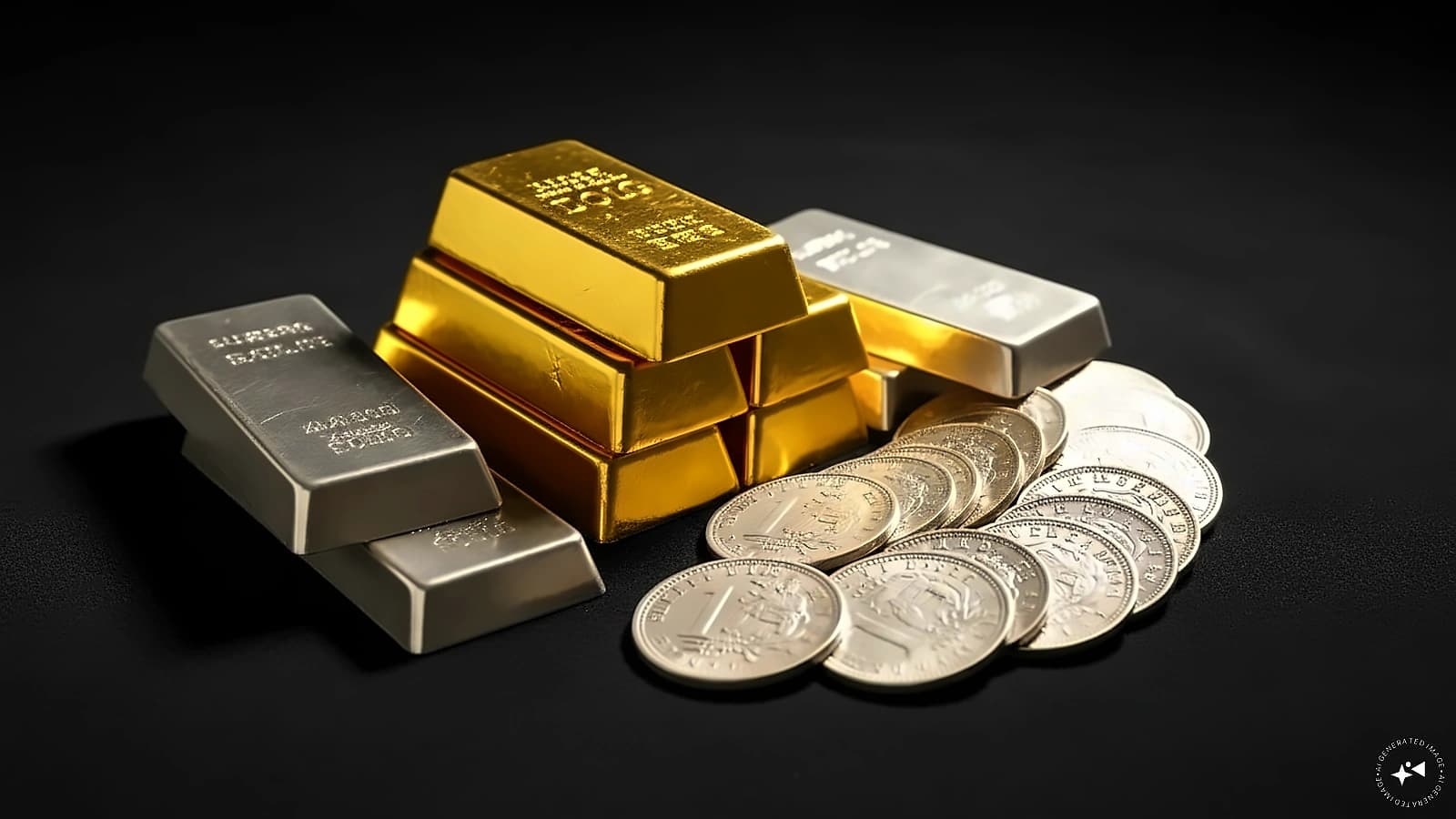
Among other metals, spot silver rose 0.3% to $67.50 per ounce, showing recovery alongside gold's strength. Platinum fell 0.4% to $1,888.05, while palladium gained 0.2% to $1,356.20, according to The Hindu BusinessLine. Silver, near $67.93, has support at $67 and resistance at $70, with MCX silver futures for December 2026 delivery posting a 0.05% decline to ₹2,43,000 per kg in the latest session. The mixed performance across precious metals reflects varying investor sentiment and specific supply-demand dynamics for each commodity.
Despite recent price pressures, central banks have bought around 130 tonnes of gold on a year-to-date basis through July 2026, according to the World Gold Council. This represents a cooling from the roughly 160 tonnes bought over the same seven months of 2025. China and Poland led July purchases with 20 tonnes and 8 tonnes respectively, while Poland remains the biggest buyer of 2026 so far with 90 tonnes added year-to-date. Notable new entrants include the Bank of Korea, which made its first official gold allocation in 13 years worth roughly $250 million, and the Bank of Namibia, which set a target to raise gold's share of reserves from 1% to 3% by March 2027. Gold has now overtaken US Treasuries as the largest single reserve asset, with gold accounting for 27% of global official reserves at end-2025, up from 20% a year earlier.