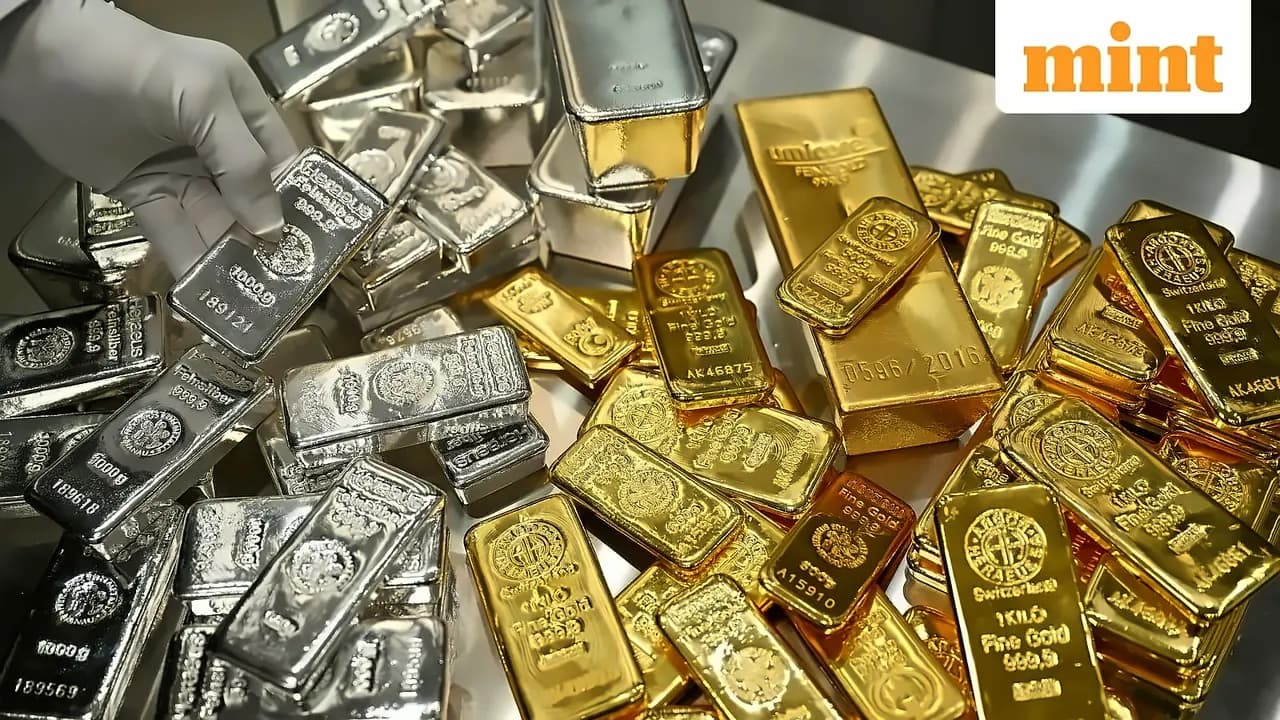
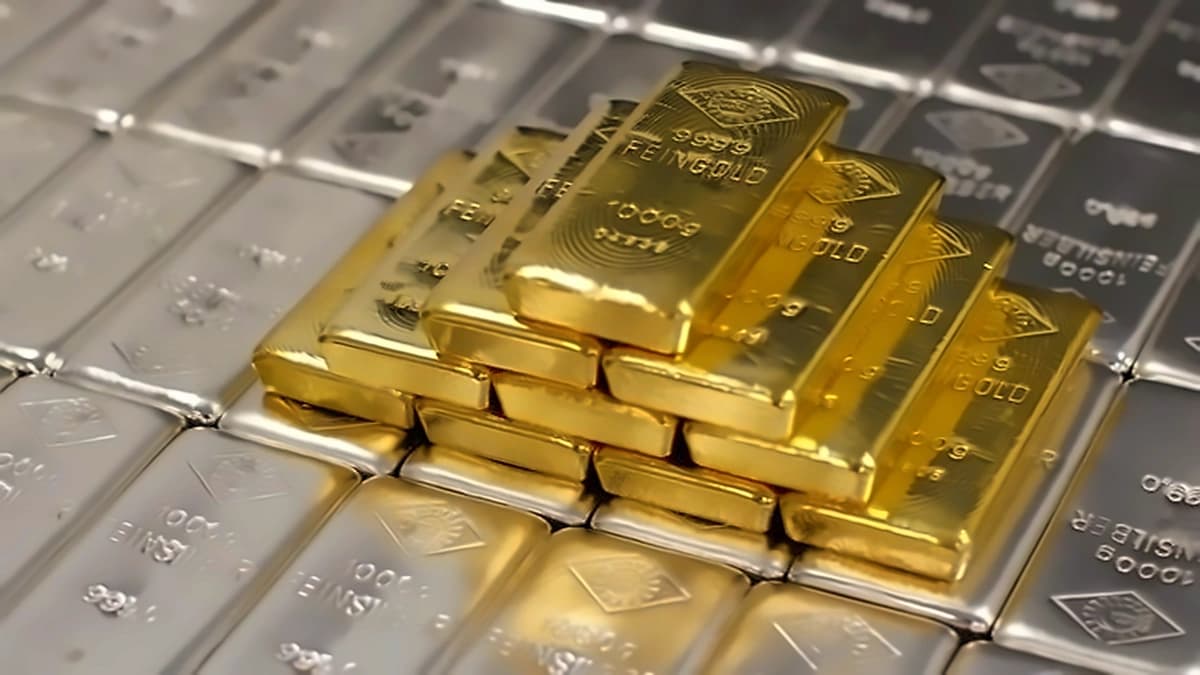
The government increased import duty on gold and silver from 6% to 15% on May 13, 2026, significantly impacting precious metals markets. According to reports from Reuters, this duty increase has widened domestic discounts and weakened demand, adding pressure on gold and silver imports. The new duty structure includes basic customs duty and cess, with duties on silver, platinum, palladium, and rhodium bullion now standing at 15%, up from the previous 6% rate. However, Finance Commission Chairman Arvind Panagariya has expressed concerns about the selective approach, stating that "I'm not entirely okay with hiking duty on gold alone." He emphasized that the concern appears to be the current account deficit, and the right instrument for that is the exchange rate, suggesting that "let the rupee depreciate, which would make imports expensive across the board and also make exports more profitable."
Gold discounts in India have reached record levels of $207 per ounce on Wednesday, up from $17 per ounce on Tuesday, as reported by Reuters. Local prices have surged significantly, with investors selling at steep losses just to exit the market. Silver was trading at a discount of $6 per ounce on Wednesday, which moderated to $4.6 per ounce, or ₹5,400 per kg, with the white precious metal trading at around ₹2,87,350 per kg. According to Reuters, dealers warned that grey-market smuggling margins could hit 18%, up from 9%, indicating that demand didn't disappear but went underground. The Finance Commission Chairman's comments suggest that this selective approach may not be the optimal solution for addressing current account deficit concerns.
According to Reuters, for almost a month in April, banks were not importing gold despite renewal of their recognition as nominated banks in mid-April. The Metal Focus report estimates a sharp decline in gold imports in April, dropping to around 10-15 tonnes only. Indian banks did not import gold in April due to delays in issuing fresh licences and uncertainty around the application of the Goods and Services Tax (GST) to gold imports by banks. Banks have since started importing gold since last week, paying GST, industry watchers said.
As reported by Reuters, Surendra Mehta, national secretary of the Indian Bullion and Jewellers Association (IBJA), stated that "at present, gold demand has dried up." Adarsh Diwe, research consultant at Metal Focus, explained that some banks and importers who could import at 6% duty just before the new duty structure were selling at lower prices, which sent the market to a steep discount. The government has also stopped renewing licences for importing doré gold, adding to the lacklustre imports. The Finance Commission Chairman's remarks highlight that this sector-specific approach may not be the most effective way to address broader current account deficit concerns.
According to the World Bank's April 2026 Commodity Markets Outlook, precious metals are projected to surge 42% in 2026, making it the top-performing commodity category ahead of energy and base metals. Silver is identified as the highest-performing individual metal in the forecast, with the World Bank stating that structural forces behind precious metals are real, durable, and not going away. This projection comes amid multiple global pressures including war-driven energy costs, currency stress, and geopolitical tensions that are simultaneously testing institutional systems worldwide.