Gold loan company shares experienced significant gains following the government's decision to raise import duties on gold and silver to 15% from 6%. According to The Economic Times, IIFL Finance shares rallied nearly 11% to trade at ₹493.20 apiece on Wednesday, the highest level since the end of February. Muthoot Finance shares jumped over 4% while Manappuram Finance shares surged around 5% on Wednesday. The duty increase, aimed at curbing imports and supporting the rupee, has triggered a surge in domestic bullion prices and boosted expectations of higher demand for gold-backed loans. The policy move has provided short-term support to the Indian Rupee, with USD/INR pair slipping toward the 95.60 zone as the government aims to discourage excessive imports and reduce dollar outflows from the economy.
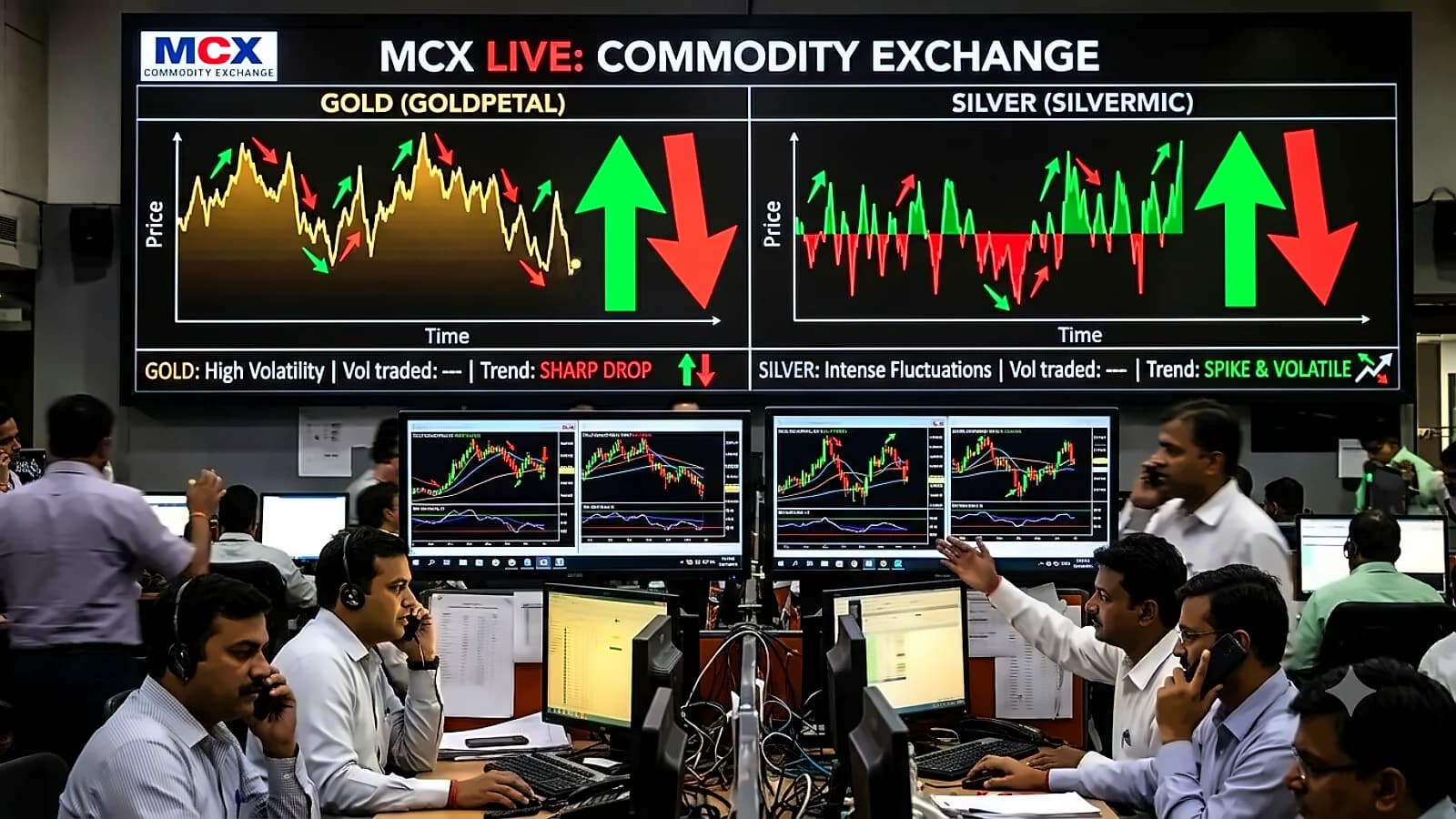
The government's decision to raise import duties has triggered a significant surge in domestic gold prices, with MCX gold futures for June expiry jumping ₹11,055 or more than 7% to ₹1,64,497 per 10 grams on Wednesday. As reported by The Economic Times, contracts with August and October expiries also surged more than 6% each. The move came after Prime Minister Narendra Modi on Sunday urged citizens to reduce purchases of non-essential gold over the next one year, with the government introducing the import duty hike to stop the rupee's free fall and moderate non-essential imports during a period of heightened global uncertainty linked to the Iran-US conflict. Since gold purchases are largely settled in US Dollars, heavy bullion imports increase demand for USD and weigh on the Rupee, making the duty hike crucial for external sector stability.

The government's decision to raise import duties on gold has created new opportunities for the gold loan industry, according to IIFL Finance. Nirmal Jain from the company explained that higher gold prices effectively raise the value of collateral available with borrowers, thereby increasing their borrowing capacity. As reported by The Economic Times, Jain noted that the loan-to-value ratio increases and customers have more leeway for borrowing, particularly beneficial for MSMEs facing supply chain and inflationary pressures. The higher duty structure has pushed domestic gold prices higher, increasing the value of jewellery pledged as collateral for loans, with Sumit Singhania from Bajaj Broking noting that gold financing firms are likely to benefit from higher collateral values of gold loans. By raising import duties on gold and silver, the government aims to discourage excessive imports and reduce dollar outflows from the economy, with lower demand for imported bullion helping stabilize India's forex reserves and offering temporary support to the domestic currency.
The gold loan sector operates independently of new gold purchases, focusing on existing household jewellery rather than encouraging speculative buying. According to Jain's comments to ET Now, the primary purpose of gold loans is not to encourage gold speculation, which is why regulatory restrictions are in place. This business model provides resilience as it remains unaffected by concerns about reduced fresh gold purchases and weaker jewellery market demand. Gold loan companies primarily lend against existing household jewellery, limiting the direct impact of weaker fresh jewellery demand on the sector. The policy reflects growing concern within the government regarding external sector stability, with Prime Minister Modi reportedly warning about rising pressure on India's foreign exchange reserves and advising citizens to avoid non-essential gold purchases, reduce fuel consumption, and limit foreign travel to help contain external imbalances.
Separately, IIFL Finance addressed ongoing tax proceedings involving a ₹476 crore demand. According to Jain's comments to The Economic Times, the company has adequate factual and legal grounds to substantiate its position and does not expect any material impact on its financials or operations after Mumbai's IT authority sent a tax demand notice. He maintained that the matter remains non-material from a business standpoint and expressed confidence in the company's compliance track record, stating the company always paid taxes properly and in time without tax planning or evasion. Despite the positive impact of the gold duty hike, crude oil prices remain a significant threat to INR stability, with WTI crude continuing to trade near the $97 mark amid ongoing geopolitical tensions involving the United States and Iran.