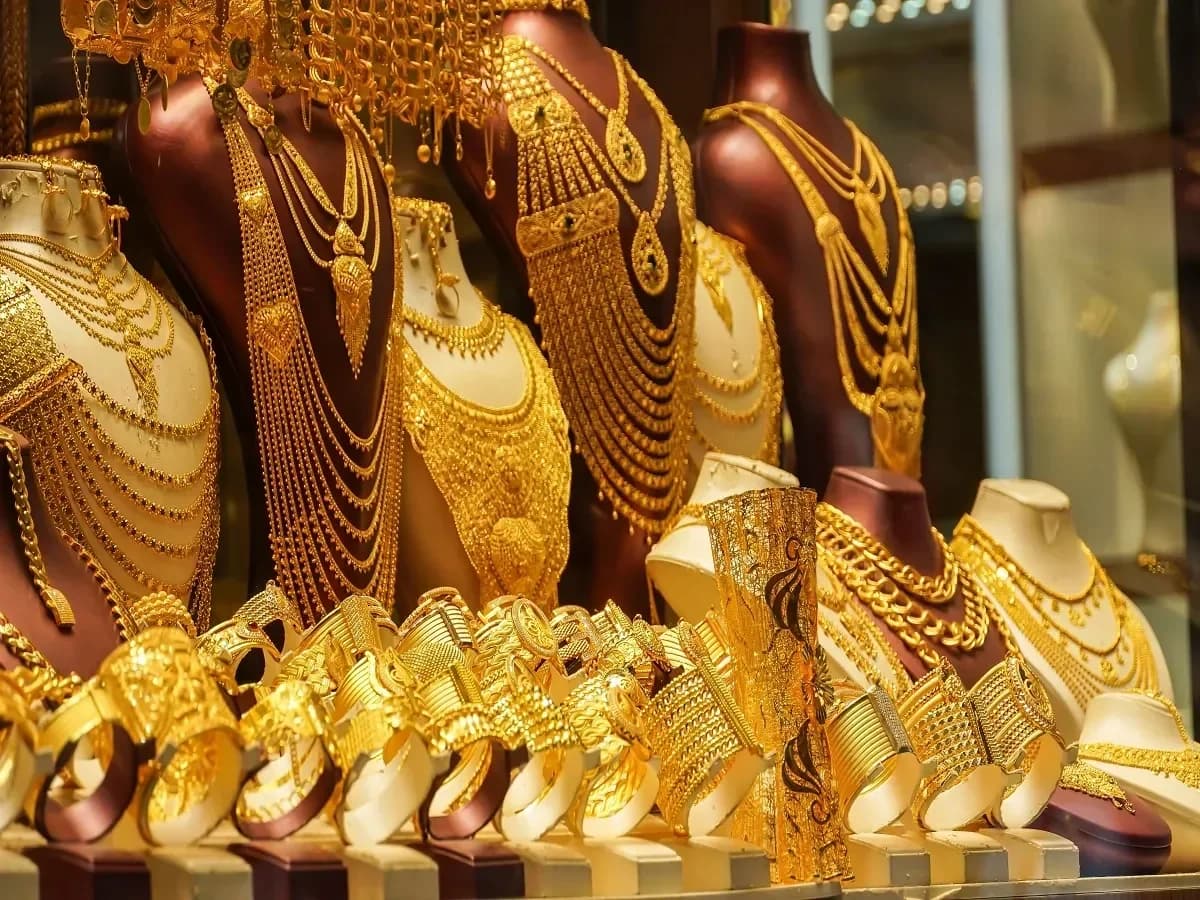
India's gold imports plunged 81.3% year-on-year to $1.8 billion in September, marking their lowest level in 30 months according to Commerce Ministry data. This dramatic decline follows a 57.7% drop in August and represents a significant improvement from the previous year's $9.6 billion import value. The sharp fall helped narrow the merchandise trade deficit to $30.2 billion in September from $33 billion in the year-ago month, even as the country's exports and imports recorded growth. Silver imports also fell 49.11% to $665.08 million for the second consecutive month, contributing to the overall improvement in trade balance.
The decline in gold imports helped offset significant increases in other import categories, with oil imports rising to $18.3 billion in September from $14 billion a year earlier, while imports of electronic goods increased to $14.9 billion from $9.8 billion. According to provisional data, merchandise exports rose 23% year-on-year to $44.4 billion in September, while imports increased 8% to $74.6 billion. The value of gold imports fell by $7.8 billion from the previous year, more than offsetting the combined increase in oil and electronic goods imports by $4.3 billion and $5.1 billion respectively. Ratings agency ICRA noted that the non-oil trade deficit narrowed to $18.1 billion in September from $23.7 billion a year earlier, entirely driven by the non-oil segment.
Ratings agency ICRA expects India's current account deficit (CAD) to widen to $13-15 billion in the July-September quarter from $4.2 billion in the preceding quarter, partly due to an expected moderation in remittance inflows. The agency forecasts the CAD to widen to 0.9% of GDP in FY2027 from 0.7% seen in FY2026, assuming an average crude oil price of $90 per barrel in H2 FY2027. However, ICRA believes sizeable capital inflows, supported by measures taken by the Reserve Bank of India to attract foreign funds, including FCNR(B) deposits, would be more than sufficient to finance the projected CAD. The agency noted that the CAD would remain at manageable levels despite the projected widening.
The festive season is already underway with Navratri in progress, while Diwali, Dhanteras and the wedding season lie ahead. According to reports from Upstox, gold and jewellery stocks are likely to remain in focus as the yellow metal holds cultural and emotional significance for Indian households, particularly during festivals and weddings. Business updates for the September quarter (Q2 FY27) from several listed jewellers have reinforced optimism about demand, with companies also expressing confidence in the upcoming festive and wedding season. The latest developments show diamond jewellery demand expected to rise 15-20% during the festive season, as reported by Zee Business Research, with buyers increasingly opting for lighter, more affordable designs priced between ₹10,000 and ₹1 lakh.
Several listed jewellery companies reported healthy year-on-year growth in their Q2 FY27 business updates, despite some moderation in demand towards the end of the quarter as the festive calendar shifted into Q3. According to Upstox reports, Titan's jewellery business grew 21% year-on-year, Kalyan Jewellers' India revenue rose 27%, Senco Gold's revenue increased 31%, and PC Jeweller reported 28% growth in consolidated revenue. These updates point to resilient demand across several players, with investors now looking for sustained growth in sales volumes, same-store sales and margins as the festive and wedding season progresses. Senco Gold shares remained under pressure, ending the session at ₹331.60 per share, down 0.88% from the previous close at ₹334.55 per share.
Rising inflation could add to pressure on household budgets during the festive season, with India's retail inflation rising to 5.54% in September 2026 from 4.83% in August, while food inflation climbed to 7.74%, according to government data reported by Upstox. Additionally, Prime Minister Narendra Modi's appeal to Indians to avoid buying gold for a year, including for weddings, made in May amid concerns over the rupee and foreign exchange reserves, seeks to moderate demand for gold imports. The shift in the festive calendar has moved some demand from Q2 into Q3 compared with last year, making the October-December quarter particularly important for jewellery companies. Gold accounts for more than 5% of India's total imports, with India being the world's second-largest gold consumer after China, and imports primarily meeting demand from the domestic jewellery industry.